
Renovations That Maintain Seniors Independence

As our health and lives change, so do our housing needs. Across Canada, the overwhelming majority of seniors prefer doing renovations in order to continue to live safely and independently in their own homes for as long as possible. Canada Mortgage and Housing Corporation (CMHC) has a number of tips on how to renovate a home to keep pace with changing needs, so seniors can stay safe, independent — and in their own home — longer, including: Repair holes or uneven joints in walkways that could cause tripping. Replace steep slopes with steps or a low-slope ramp. Add a ramp to bypass existing steps. Install light fixtures or floodlights with easily accessible switches to illuminate entrances, steps and walkways. Repair all unsafe stair handrails. Install handrails on both sides of the stairways. Replace worn or loose coverings and mark the edges of stairs with a permanent stripe in a contrasting colour. If you are planning a renovation on the stairs in your current home, or building a new home that has stairs, make sure that the back vertical portion of the step (the rise) is not too high and that the horizontal part of the step (the tread) has adequate depth. If you live in a two-storey home, consider creating a bedroom, a full bathroom, and having the clothes washer and dryer on the ground floor. Reduce the height of, or eliminate, high door thresholds at room entrances. Use a contrasting colour or texture on the edge of the floor wherever there is a change in the floor level. Adjust sinks, counters and cupboards to a more convenient height. Create a knee-space underneath sinks to allow you to work from a seated position (making sure to insulate any exposed hot-water pipes first). Install grab bars within easy reach of the bathroom sink and toilet and in the bathtub. Install non-slip flooring in the bathroom and in the bathtub. Install single-lever faucets to more easily control water flow and temperature. Add or lower rods or shelves in closets, and add off-floor shelves near entrances for shoes and boots. Repair windows and sliding doors so that they can open and close easily. Consider installing easy-to-grasp door handles, easy-to-operate door locks, as well as security grilles at windows that are vulnerable to forced entry. Lastly, if you have an aging parent, relative or friend, you may want to consider adding a garden suite on the same lot as your home. Garden suites are small, prefabricated, portable and self-contained homes that enable seniors to live close to their relatives or friends, while maintaining their independence and privacy — and giving family members or friends greater peace of mind. For more information or free copies of the CMHC Self-Assessment Guide Maintaining Seniors’ Independence Through Home Adaptations, the fact sheet Preventing Falls on Stairs fact sheets on universal design ideas that can make your home safer and easier to live in, or for general information on CMHC’s renovation programs, including those for garden suites, call CMHC at 1-800-668-2642 or visit CMHC’s Web site at www.cmhc.ca. For over 60 years, Canada Mortgage and Housing Corporation (CMHC) has been Canada’s national housing agency, and a source of objective, reliable housing expertise. To get in touch to schedule renovations, you can fill out an online form or give us a call at (613) 727-9427.
Residential Rehabilitation Assistance Renovation Program for Persons with Disabilities
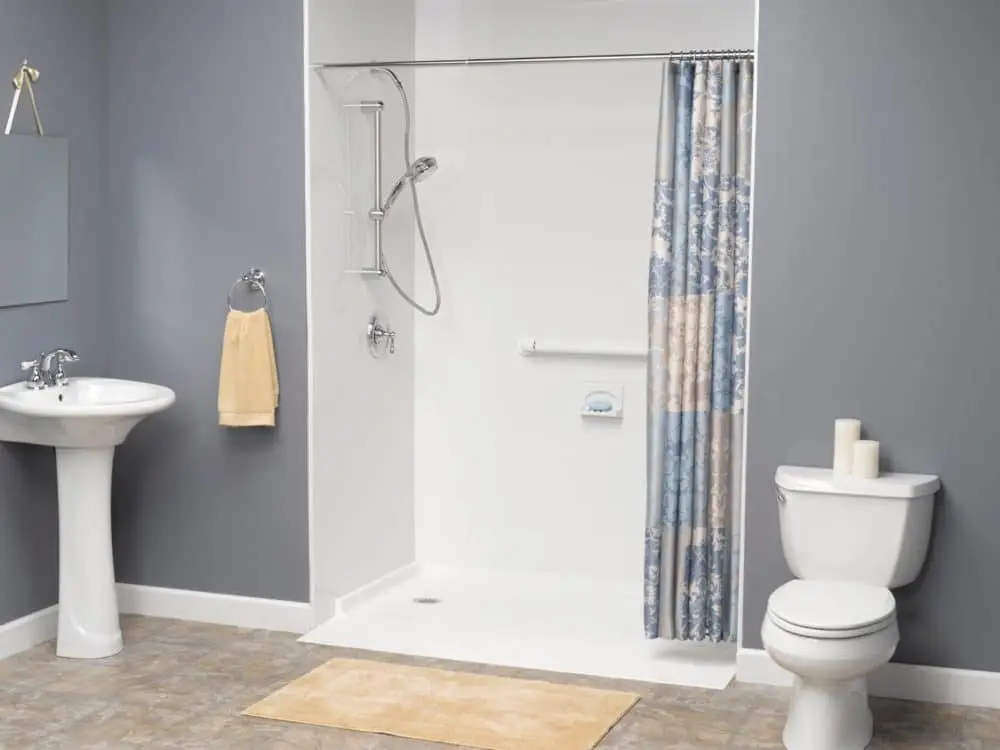
Canada Mortgage and Housing Corporation (CMHC) offers financial assistance to allow homeowners and landlords to pay for renovations to make their property more accessible to persons with disabilities. These modifications are intended to eliminate physical barriers, imminent safety risks and improve the ability to meet the demands of daily living within the home. CMHC delivers renovation programs for persons with disabilities in Prince Edward Island, where the province cost-shares on a 75% federal / 25% provincial basis and in Yukon Territory. In other jurisdictions, Provinces and Territories may choose to design and deliver renovation programs that are cost-shared with the federal government. Information on Provincially/Territorially designed and delivered housing programs are provided under Provincial and Territorial Affordable Housing Links and Agreements. Who Can Apply? Homeowners and landlords may qualify for assistance if the property is eligible. Your property may be eligible for RRAP-D if the property: is occupied, or is intended to be occupied, by a low-income person with a disability; is rented and the rents are less than established levels for the area; or is owned and the house is valued below a certain amount; and does not have major deficiencies to the structure and systems. Eligible Renovations Renovations must be related to housing and reasonably related to the occupant’s disability. Examples of eligible renovations are ramps, handrails, chair lifts, bath lifts, height adjustments to countertops and cues for doorbells/fire alarms. If the cost for renovations is more than the maximum forgivable loan available, the owner will be required to cover the additional cost. Ineligible Renovations Therapeutic care, supportive care, and portable aid equipment, such as walkers and wheelchairs, are not eligible for funding. Renovations carried out before the RRAP for Persons with Disabilities loan is approved in writing are not eligible. Financial Assistance Assistance is in the form of a fully forgivable loan and does not have to be repaid if you adhere to the terms and conditions of the program. Landlords must enter into an agreement that establishes the rent that can be charged during the life of the agreement and restricts occupancy of the self-contained rental unit(s) to households with incomes below a set CMHC level. Homeowners must agree to continue to own the house during the loan forgiveness period, which could be up to five years. The loan amount you could receive varies according to the three geographic zones and if you are a homeowner or landlord To learn more about renovation program for persons with disabilities don’t hesitate to get in touch, you can fill out an online form or give us a call at (613) 727-9427.
Kitchens, Bathrooms Top Home Renovation Wish List
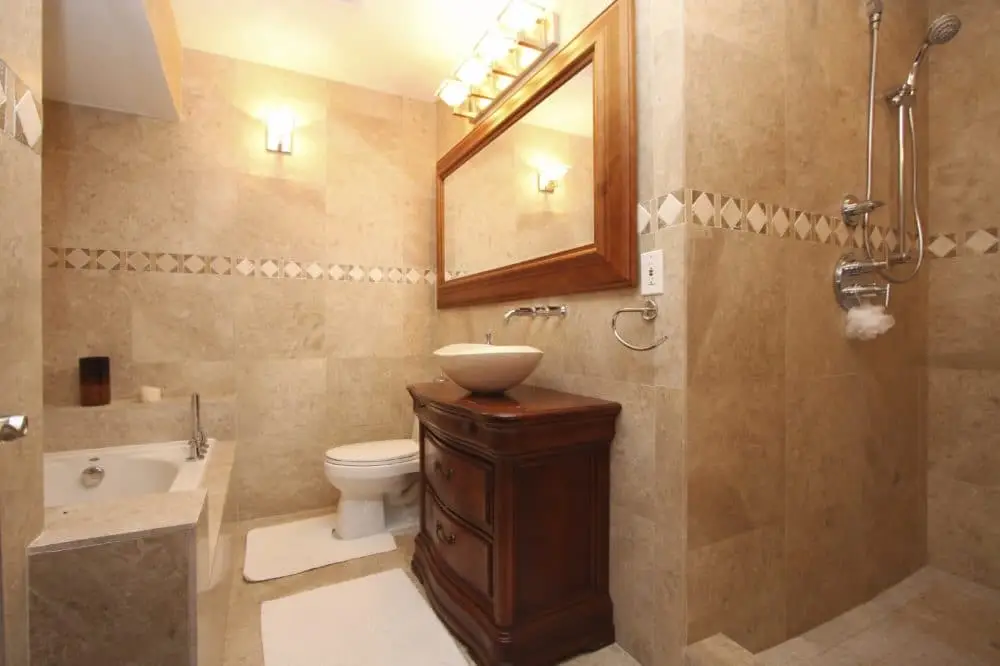
Home renovation wish lists include a new kitchen or installing a fancy bathroom, these top the list of Canadians’ planned renovations, and they’re also likely to be the most profitable projects, according to a new report. Canadians are expected to spend more than $45 billion on doing up their homes in 2011, up slightly from $44.6 billion in 2010, according to BMO Economics. The vast majority of that money will be put to jobs inside the house, with 48% saying it will go to a new kitchen renovation and 46% planning to a bathroom renovation, the BMO poll found. “If you’re undergoing a renovation in order to increase the value of your home, it’s important to understand that not all projects will deliver the same return on your investment,” said Katie Archdekin, head of mortgage products, BMO Bank of Montreal. Bathroom and kitchen upgrades are the most profitable of home renovations, according to the Appraisal Institute of Canada. Property owners can recoup between 75% and 100% of the cost upon resale, compared with 50% to 100% for a paint job and just zero to 25% for additions such as a swimming pool. Canada’s property market continues to march ahead despite warnings prices may have peaked and may even be set for a fall. The average house price rose 8.6% in May from the same month last year, according to a recent report by real estate giant Royal LePage. The BMO poll also found that Canadians may be heeding official warnings on debt and not borrowing to upgrade their homes. About 57% of poll respondents said they preferred to rely on savings to pay for their upgrades, compared with 19% who said they would take out a loan. Only 5% said they would use a credit card, which tends to be the most expensive form of borrowing. Other popular home improvements include landscaping, with 39% of homeowners saying they planned changes to the outside of their homes. Thirty-eight percent planned to improve their basements, while 25% are turning their attention to the bedroom. The least popular home renovation projects included installing a swimming pool and adding an extension, the poll found. The survey was conducted by Leger Marketing using its online panel, LegerWeb, with a sample of 1,508 Canadian homeowners 25-45 years old. * Sharon Singleton, Ottawa Sun When you are ready to upgrade the value of your home, please don’t wait to get in touch for a free in-home consultation, you can call us at (613) 727-9427.