Water Damage in Ottawa? Your Essential Guide to Repair
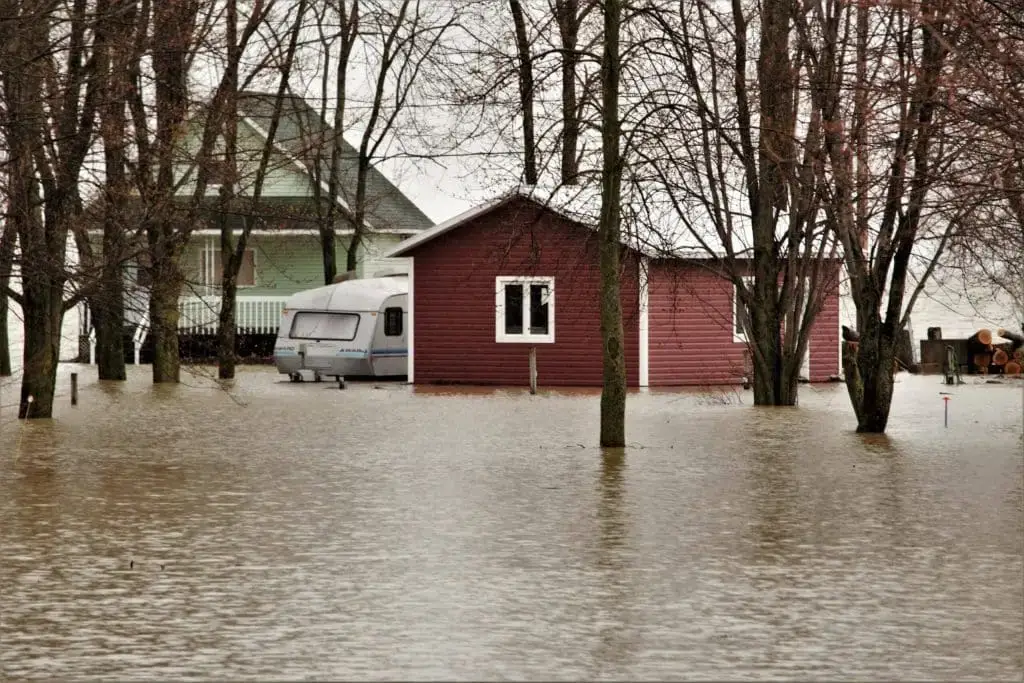
Did your home incur significant water damage in Ottawa? If so, it’s crucial to act fast – as wet surfaces and materials start to form mold and other severe issues after only 24 hours. As such, you’ll want to assess your damages and begin repairs as soon as possible. If the damage is severe and beyond your scope, don’t hesitate to call our highly trained and experienced team at 613-727-9427, and we’ll hop on your repairs immediately. If the damage is minimal, you may want to know if you can handle the repairs yourself. In that case, you’ve come to the right place – as we’ve prepared an extensive guide to repair water damage in Ottawa. Even if you haven’t experienced water damage in your home, it’s still beneficial to know how to deal with it properly should it occur. There’s quite a bit to know about water damage, and making the wrong move could spell disaster. Conversely, making the right decisions early on will go a long way toward restoring your home to its original state at a reasonable cost. Read on to learn the best practices involved with proper water damage repair. Along the way, we’ll cover: The three different types of water damage Mold inspection tips How to dry everything out What to throw away and what’s safe to keep Restoring and replacing drywall and siding Painting and caulking Knowing when to hire professionals Without further ado, here’s everything you need to know about repairing water damage in Ottawa. Is it Clean, Gray, or Black Water? The Three Types of Water Damage First things first, you need to determine which type of water has contaminated your home. If that sentence makes you scratch your head, you should know that not all water damage is the same. In particular, there are three types of water damage, each with varying degrees of severity. We didn’t just make this up, either. These are official rankings from the Institute of Inspection, Cleaning, and Restoration Certification (IICRC). They are: Clean water Gray water Black water Each has unique requirements for how you approach repairs, so let’s take a closer look at them. Dealing with Clean Water Damage The first and most accessible type of water damage to repair is from clean water – which is the least severe of the three, according to the IICRC. While it may seem nonsensical to refer to water flooding your home as ‘clean,’ it’s more about it being free of raw sewage and toxins, which will wreak even more havoc on your home and belongings. Clean water comes from: Busted pipes Sinks Bathtubs Water supply lines Rain As you can see, these are all ‘clean’ sources of water that don’t contain excessive toxins or raw sewage. As such, this type of water is the easiest to dry up and repair without causing too much lasting damage. If you have clean water damage in Ottawa, you should be able to repair it by yourself relatively quickly. Of course, it will also depend on how much clean water damage your home has incurred. Repairs should be straightforward and pain-free if there’s only an inch or two of water on the ground. Dealing with Gray Water Damage Next on the IICRC severity scale is gray water – which is water that is slightly dirty or soiled – but not excessively. Gray water has more contaminants than clean water but still lacks raw sewage and severe contaminants. Gray water comes from: Toilets Washing machines Sump pump backups Dishwashers The waste and chemicals in gray water may or may not be directly harmful to humans, but it’s crucial to thoroughly disinfect your home to ensure the contaminants don’t cause problems down the line. You may also need to wear safety gear while repairing gray water damage to protect yourself from hazardous toxins (especially if the gray water came from a sump pump backup). At this point, you can still opt to handle the repairs yourself, but we recommend that you leave it to professionals like our team at RenosGroup. That’s because we’re well versed in cleaning/removing contaminated materials from bathrooms, kitchens, and basements to ensure that we restore your home to its original glory. Dealing with Black Water Damage Black water is the most severe on the IICRC scale, and for a good reason. Black water contains raw sewage and hazardous toxins that are extremely dangerous. You should by NO MEANS attempt to repair black water damage in Ottawa by yourself. That’s because black water can cause severe health complications if you aren’t wearing the proper safety gear/taking the necessary precautions. The last thing you want is to have to contend with a life-threatening illness while your home is flooded, which is why you should ALWAYS call us at RenosGroup to repair black water damage. How do you know if your home is contaminated with black water? Here’s where black water comes from: Sewers Rising flood waters Seawater River water If your home gets flooded by a sewer overflow or rising river waters, you need to contact professionals for cleanup as soon as possible. Black water contains bacteria, human waste, and other serious contaminants – so your home will need to undergo extensive disinfecting before returning to normal. Your Repair Guide for Water Damage in Ottawa Now that you know about the three types of water damage, it’s time to learn how to repair damage from clean water and gray water. If you suspect the gray water has bacteria or contaminants in it, you should contact professionals for repairs. Yet, if it’s simply some water from a busted toilet, you should be able to handle it by yourself. Like anything else, there’s a right and wrong way to go about repairing water damage, which is why we’ve prepared this guide containing a step-by-step process for getting rid of water damage in Ottawa. Step #1: Inspect for Serious Issues Your first step should be to assess the damage as thoroughly as