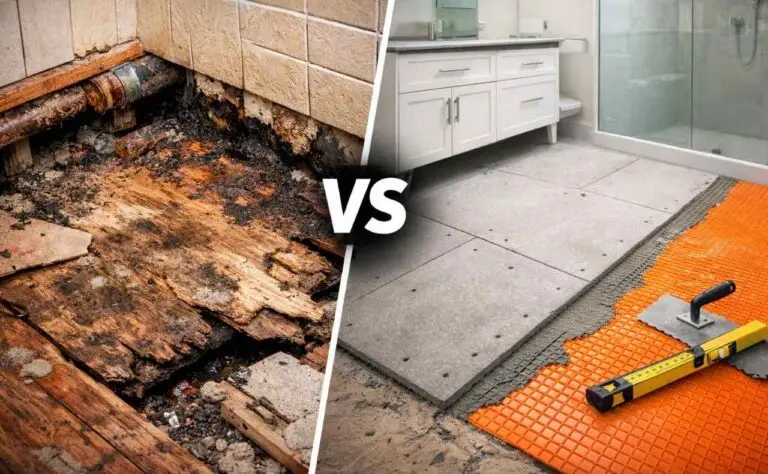
Why We Don’t Think Wood Subfloors Are a Good Idea for Kitchens and Bathrooms
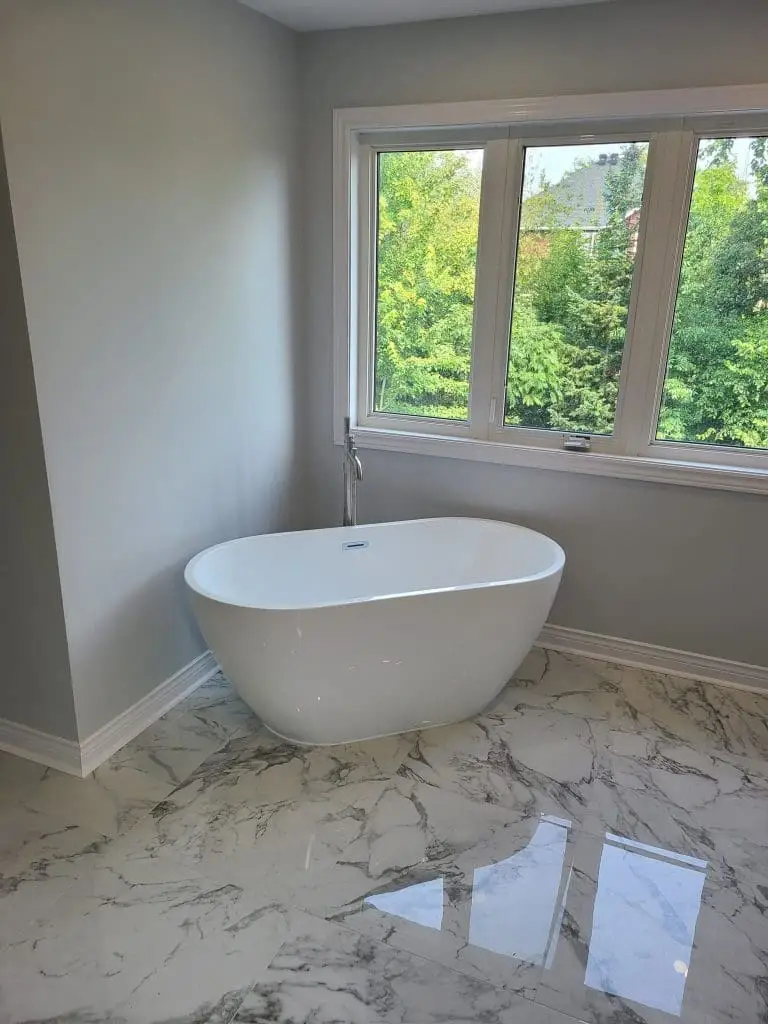
We at RenosGroup.ca believe in a “foundation-first” approach to home renovation. The subfloor is the most important part of a kitchen or bathroom project, not the cabinetry, backsplash, or hardware. One of the most frequently asked questions we receive is whether homeowners can simply use plywood or OSB (Oriented Strand Board) as a subfloor in these wet areas. While wood is a staple of residential construction, it is fundamentally ill-suited for the unique environment of a kitchen or bathroom. Here is an educational look at why we recommend moisture-stable alternatives and why avoiding wood subfloors is essential for the longevity of your home. 1. The Science of Wood and Moisture To understand why wood fails in wet zones, we have to look at its biological composition. Wood is an organic, “living” material. Even after it has been kiln-dried and processed into construction-grade sheets, it remains hygroscopic. This means it will always try to balance the amount of moisture in the air around it. The Cycle of Expansion and Contraction Wood is pretty stable in a dry place, like a hallway or bedroom. However, bathrooms and kitchens are subject to constant fluctuations in humidity and direct liquid exposure. Expansion: When wood absorbs water—whether from a steamy shower, a mopping bucket, or a dishwasher leak—the cellulose fibers swell. Contraction: As the wood dries, it shrinks back down. This movement poses a significant challenge to a high-quality renovation. Most modern kitchen and bathroom floors utilize tile, stone, or luxury vinyl. These materials (and the grout or adhesives holding them) are rigid. When the subfloor beneath them is constantly expanding and contracting, it creates mechanical stress. Over time, this stress shows up as cracked grout lines, tiles that have “popped” or come loose, and even cracks in the tiles themselves. Explore top flooring trends for stable kitchen and bathroom surfaces here 2. The Threat of Structural Rot and Mold The primary danger of using wood in wet areas isn’t just that it moves; it’s that it decays. Wood is organic matter, which means it provides a food source for fungi and mold. The “Sandwich” Effect In a normal renovation, a finished floor, like tile or vinyl, is put on top of the subfloor. These finishing materials are usually water-resistant or waterproof. These finish materials are often waterproof or water-resistant. If water finds its way through a failed silicone bead around a bathtub or a minor leak under a kitchen sink, it becomes trapped between the finished floor and the wood subfloor. Without airflow, the moisture has nowhere to go. This creates a “sandwich” of dampness. In our professional experience at RenosGroup.ca, we have seen countless instances where the top of a tile floor looks perfectly fine, but the wood subfloor beneath it has turned into a soft, pulpy mass. This is called “dry rot,” but it needs moisture to start. When rot starts, it weakens the structure of the floor, which can cause it to sag and make it dangerous to use heavy appliances or bathtubs. Air Quality and Health In addition to structural problems, wet wood subfloors are a perfect place for mold to grow. Mold can grow on the subfloor without anyone knowing it for years. The spores eventually make their way into the air in the home, where they could cause breathing problems and allergic reactions. Using an inorganic subfloor gets rid of the food that mold needs to grow. Learn how to prevent mold after your bathroom renovation here 3. The Specific Problem with OSB and Plywood Not all wood subfloors are the same, but both common types have their problems when they get wet: OSB (Oriented Strand Board): This type of board is made of wax and resin that hold together compressed wood flakes. While it is strong, it is particularly susceptible to “edge swelling.” If the edges of an OSB sheet get wet, they expand and often stay expanded even after they dry. This creates an uneven floor surface that will be visible through your new flooring. Plywood: Plywood consists of thin layers of wood glued together in alternating directions. While more stable than OSB, it is prone to delamination. If moisture stays trapped in the layers, the glue fails, and the layers peel apart, causing the floor to lose its load-bearing capacity. 4. Professional Alternatives: What We Use at RenosGroup.ca As professionals, we prioritize the use of materials specifically engineered for the task at hand. In kitchens and bathrooms, we move away from organic wood and toward inorganic, moisture-stable products. Cement Backer Boards (CBU) Materials such as HardieBacker or Durock are the industry standard for a reason. These boards are made of cement, sand, and glass-fiber mesh. Why they work: They are 100% inorganic. If they get wet, they resist rot and swelling and prevent mold growth. They provide a perfectly rigid, flat surface that is ideal for thin-set mortar and tile. Uncoupling Membranes (Schluter-DITRA) In high-end renovations, we often utilize uncoupling membranes. These are polyethylene (plastic) mats with a specific grid structure. Waterproofing: They act as a total vapor and water barrier. Movement Management: They allow the subfloor and the tile to move independently. The membrane “uncouples” the movement from the tile, which stops cracks from happening. This condition happens when the house settles or the joists move slightly. New Composite Boards Magnesium Oxide (MgO) boards and other new technologies work even better. They are lighter than cement board, but they are just as resistant to water and fire, making them a better base for any kitchen or bathroom design. See our dream kitchen renovation plans using moisture-proof materials 5. Long-Term Value and ROI We understand that choosing specialized subflooring materials adds a small cost to the initial budget. However, we always educate our clients on the “Cost of Failure.” Installing a proper, moisture-stable subfloor is significantly less expensive than a “rip-out.” If a wood subfloor fails due to a leak five years from now, you aren’t just paying to fix the subfloor; you
Home Improvements That Pay Off When You Sell
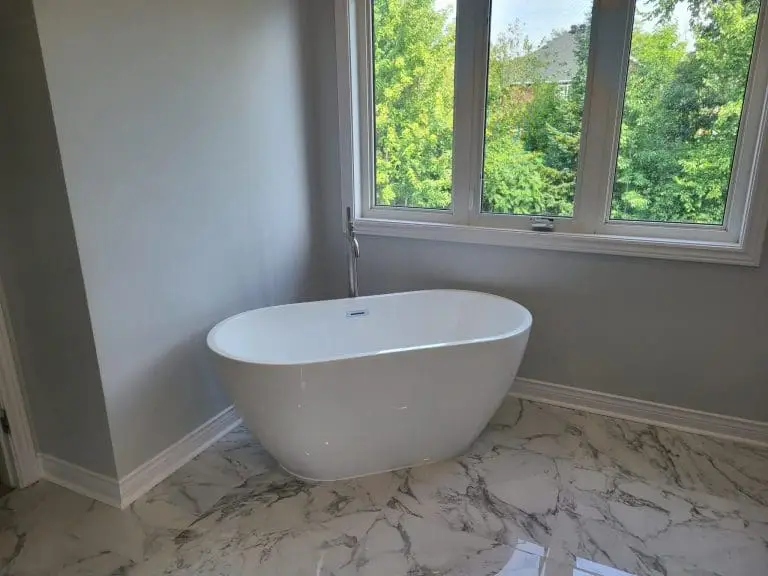
If you’re thinking about selling your home, there are a few things you can do to increase its value and make it more appealing to buyers. By making some strategic home improvements, you can recoup your investment and even turn a profit. Here are seven home improvements that will help you sell your home for top dollar. 1. Kitchen Remodel A kitchen remodel is one of the most effective ways to increase your home’s value. A well-designed kitchen with high-end appliances and finishes will appeal to buyers and help you fetch a higher price. Even if you don’t have the budget for a complete gut renovation, making smaller changes like painting the cabinets, installing new countertops, or upgrading the lighting can make a big difference. Beyond the visual appeal, kitchens with convenient layouts will catch the eye of buyers, especially if they enjoy preparing their own meals. Add-ons like islands, cabinets, and open shelves provide more options for storage space, which is great for buyers with lots of cooking utensils and appliances. The positioning also matters here, as you’ll want to ensure you have everything you need to cook a meal right in front of you. If you have to make six 180s just to put together a grilled cheese sandwich, opting for a more practical layout will generate more interest from home buyers – not to mention it will make your life easier before you sell. It is possible to go a bit overboard with upgrading your kitchen, which may end up having the opposite effect than you intended. If you go with a mega-sized refrigerator and top-tier garbage disposal, the cost may rise higher than most buyers are willing to pay (of course, this is entirely up to you, as if you do find a buyer, you’ll end up selling your home for more). Your best bet to get the most bang for your buck is to renovate your kitchen with high-end appliances, cheery lighting, and an optimized design to make preparing meals a breeze. 2. Bathroom Remodel Like the kitchen, bathrooms are another important selling point for potential buyers. A bathroom remodel can be relatively simple and inexpensive, but it will make a big impact on buyers. If your bathroom is outdated or in need of repairs, consider renovating it before putting your home on the market. Above all else, bathrooms should feel clean and pleasant. Sometimes, a refresh is all a bathroom needs. What’s that? A bathroom refresh is where you make several essential touch-ups to reinvigorate your bathroom. This includes things like a fresh coat of paint, a new vanity or mirror, and replacing busted towel racks. Other times, a more extensive renovation is necessary to make your bathrooms attractive to the market. The lighting in your bathroom can make a huge difference to some buyers, especially those that enjoy unwinding by soaking in a dimly lit tub. Adding a light dimmer is always a good idea, as is experimenting with different lighting combinations. If your bathrooms are tinier than a broom closet, adding more space with an addition or by moving around your sink and tub will help boost their appeal. While a tiny bathroom in connecting areas is fine, it’s better to have larger bathrooms in major areas, especially the master bedroom. Home buyers won’t like to see older-style toilets, so you should update them if they’re ancient. That’s because older toilets waste much more water, leading to a larger bill. Modern toilets are more efficient and save water, so it’s always wise to retrofit your bathrooms. 3. Finished basement A finished basement is a great way to add extra living space to your home without having to build an addition. If your basement is currently unfinished, consider finishing it with drywall, flooring, and lighting fixtures. You could also add a bathroom or wet bar to make it even more appealing to buyers. An unfinished basement is wasted potential, as it’s part of your home’s square footage that you aren’t using. After all, you have to pay 100% of your mortgage, so why not use 100% of the space you have available? The best part is you can essentially add a brand-new room to your home without having to construct an addition. Would-be homeowners want to see your basement put to good use, and you have so many options. You could transform your basement into a kid’s playroom, a guest suite, a movie theater, or even a second living room. New homeowners love guest rooms, and having one will instantly make your home more valuable. There’s another benefit to transforming your basement into an extra bedroom besides increasing your property value – as it can generate passive income for you. By renting out your basement bedroom on platforms like Airbnb, your spare bedroom can make money for you before it’s time to pack up and sell your house. That’s not to mention that basements also make excellent wine cellars, man caves, and libraries. Not only will finishing your basement make your property value skyrocket, but it will also provide you with a great new space to enjoy in the time before you sell. If your basement is really exciting and attention-grabbing, you may start an all-out bidding war – which is 100x better than home buyers deciding without taking a second thought to skip on your property due to an unfinished basement. 4. Deck or Patio More home improvements…If your home doesn’t have an outdoor living space, now is the time to create one. Adding a deck or patio is a great way to add extra square footage to your home and make it more enjoyable for entertaining guests. And since many buyers place a premium on homes with outdoor living spaces, you’re likely to see a return on your investment when you sell. There are many ways to create an exciting outdoor space with your new patio or deck – and they don’t all involve going

Water Damage in Ottawa? Your Essential Guide to Repair
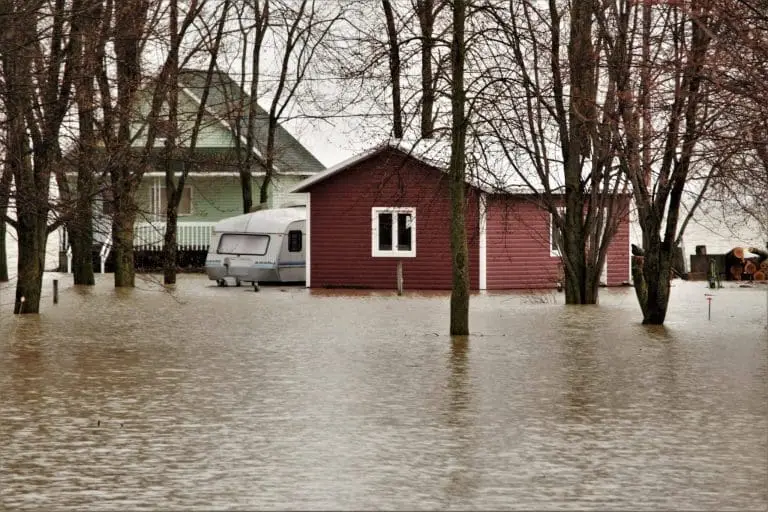
Did your home incur significant water damage in Ottawa? If so, it’s crucial to act fast – as wet surfaces and materials start to form mold and other severe issues after only 24 hours. As such, you’ll want to assess your damages and begin repairs as soon as possible. If the damage is severe and beyond your scope, don’t hesitate to call our highly trained and experienced team at 613-727-9427, and we’ll hop on your repairs immediately. If the damage is minimal, you may want to know if you can handle the repairs yourself. In that case, you’ve come to the right place – as we’ve prepared an extensive guide to repair water damage in Ottawa. Even if you haven’t experienced water damage in your home, it’s still beneficial to know how to deal with it properly should it occur. There’s quite a bit to know about water damage, and making the wrong move could spell disaster. Conversely, making the right decisions early on will go a long way toward restoring your home to its original state at a reasonable cost. Read on to learn the best practices involved with proper water damage repair. Along the way, we’ll cover: The three different types of water damage Mold inspection tips How to dry everything out What to throw away and what’s safe to keep Restoring and replacing drywall and siding Painting and caulking Knowing when to hire professionals Without further ado, here’s everything you need to know about repairing water damage in Ottawa. Is it Clean, Gray, or Black Water? The Three Types of Water Damage First things first, you need to determine which type of water has contaminated your home. If that sentence makes you scratch your head, you should know that not all water damage is the same. In particular, there are three types of water damage, each with varying degrees of severity. We didn’t just make this up, either. These are official rankings from the Institute of Inspection, Cleaning, and Restoration Certification (IICRC). They are: Clean water Gray water Black water Each has unique requirements for how you approach repairs, so let’s take a closer look at them. Dealing with Clean Water Damage The first and most accessible type of water damage to repair is from clean water – which is the least severe of the three, according to the IICRC. While it may seem nonsensical to refer to water flooding your home as ‘clean,’ it’s more about it being free of raw sewage and toxins, which will wreak even more havoc on your home and belongings. Clean water comes from: Busted pipes Sinks Bathtubs Water supply lines Rain As you can see, these are all ‘clean’ sources of water that don’t contain excessive toxins or raw sewage. As such, this type of water is the easiest to dry up and repair without causing too much lasting damage. If you have clean water damage in Ottawa, you should be able to repair it by yourself relatively quickly. Of course, it will also depend on how much clean water damage your home has incurred. Repairs should be straightforward and pain-free if there’s only an inch or two of water on the ground. Dealing with Gray Water Damage Next on the IICRC severity scale is gray water – which is water that is slightly dirty or soiled – but not excessively. Gray water has more contaminants than clean water but still lacks raw sewage and severe contaminants. Gray water comes from: Toilets Washing machines Sump pump backups Dishwashers The waste and chemicals in gray water may or may not be directly harmful to humans, but it’s crucial to thoroughly disinfect your home to ensure the contaminants don’t cause problems down the line. You may also need to wear safety gear while repairing gray water damage to protect yourself from hazardous toxins (especially if the gray water came from a sump pump backup). At this point, you can still opt to handle the repairs yourself, but we recommend that you leave it to professionals like our team at RenosGroup. That’s because we’re well versed in cleaning/removing contaminated materials from bathrooms, kitchens, and basements to ensure that we restore your home to its original glory. Dealing with Black Water Damage Black water is the most severe on the IICRC scale, and for a good reason. Black water contains raw sewage and hazardous toxins that are extremely dangerous. You should by NO MEANS attempt to repair black water damage in Ottawa by yourself. That’s because black water can cause severe health complications if you aren’t wearing the proper safety gear/taking the necessary precautions. The last thing you want is to have to contend with a life-threatening illness while your home is flooded, which is why you should ALWAYS call us at RenosGroup to repair black water damage. How do you know if your home is contaminated with black water? Here’s where black water comes from: Sewers Rising flood waters Seawater River water If your home gets flooded by a sewer overflow or rising river waters, you need to contact professionals for cleanup as soon as possible. Black water contains bacteria, human waste, and other serious contaminants – so your home will need to undergo extensive disinfecting before returning to normal. Your Repair Guide for Water Damage in Ottawa Now that you know about the three types of water damage, it’s time to learn how to repair damage from clean water and gray water. If you suspect the gray water has bacteria or contaminants in it, you should contact professionals for repairs. Yet, if it’s simply some water from a busted toilet, you should be able to handle it by yourself. Like anything else, there’s a right and wrong way to go about repairing water damage, which is why we’ve prepared this guide containing a step-by-step process for getting rid of water damage in Ottawa. Step #1: Inspect for Serious Issues Your first step should be to assess the damage as

Hardwood or Laminate? The Great Debate
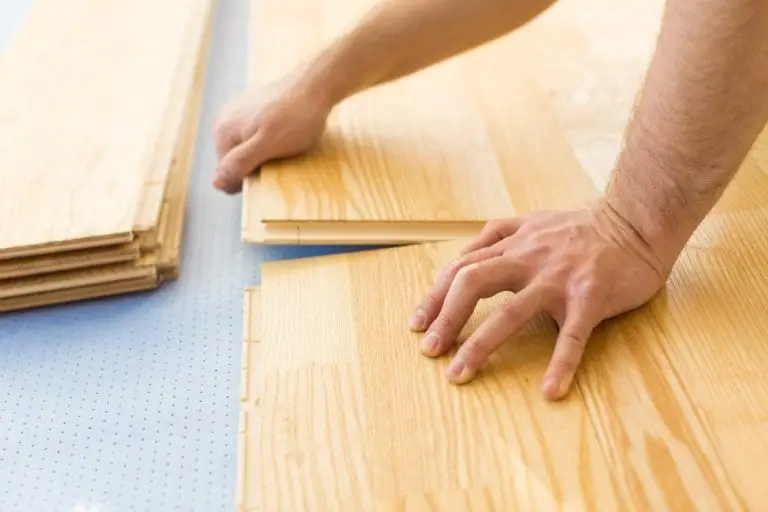
When it’s time to replace your flooring, the debate between both hardwood and laminate materials is one that many homeowners can be faced with. Hardwood and laminate flooring can both be great options to enhance the design of your home, but the best way to feel confident about choosing the right material for your interior is by exploring the pros and cons of each option. Durability Hardwood is more susceptible to scratching Hardwood is made of natural wood, so it will show signs of wear and tear easier than laminate. Dragging furniture along the floor or dropping toys on it can scratch it up easily, especially if you have a busy household where you expect your floor to deal with a lot of rough, excessive foot traffic. Laminate stands up better against wear and tear Laminate isn’t a natural wood and is instead, comprised of pressed wood. Therefore, it won’t be as easily prone to wear and tear or scratches. This is what makes laminate a more favourable option within active households, especially with young children or pets. Aesthetics Hardwood is beautiful and adds character Hardwood surpasses laminate with appeal and aesthetics. The natural warmth, charm, and character from hardwood make it one of the most popular choices for flooring among homeowners. Laminate isn’t as timeless Laminate can be much more durable and easier to maintain, but the artificial look that it displays can be a major drawback. From afar laminate mimics the look of wood, but up close it doesn’t compare with the real deal. Price Laminate is the affordable option Laminate flooring is cheaper than hardwood since it is made from composite wood. The composite materials that are contained in the laminate wood are much cheaper than the real, natural hardwoods. Therefore, if you’re searching for the most budget-friendly option, laminate is the better option. Hardwood is more expensive, but adds tremendous value Hardwood requires a much more labour-intensive process since it is harvested from trees, milled into planks, graded, planed, smoothed, leveled, and stained. Pricing will vary depending on the type of species that you choose. Though hardwood is more expensive per square foot, the value it adds to your home makes it worth the price. Repair Refinishing gives new life to hardwood floors Hardwood is more prone to displaying scratches and wear and tear, but this can also add character to the surface. However, when it is time to perform some necessary repairs, this can be done by sanding away the imperfections and then refinishing the surface. Before off replacing laminate than repairing Laminate often comes in individual segments that are installed by snapping them together. Although these pieces can sometimes be replaced, they can highlight the difference if the surrounding pieces have endured much wear and tear, or have faded from natural light over the years. This makes laminate more difficult to repair than hardwood. If you’re debating between hardwood or laminate flooring, consider the price, durability, and repair of each. Beyond the visual appeal, it’s important to select a material that will keep up with your lifestyle. If you have young children, pets, or don’t plan to be in the home for long, then laminate wood could be the best option for you. However if you are looking to incorporate that timeless look into your design and add value, hardwood is the right material for your home. Contact us, or give us a call at (613)727-9427

Choosing the Right Hardwood Flooring
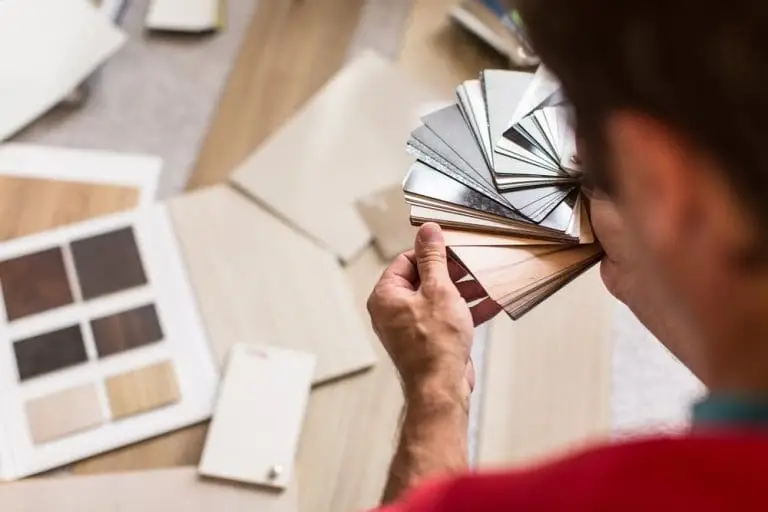
There’s something about hardwood flooring that really gives a home that timeless character. And best of all, it can provide that cohesive element that can go with any type of design. But of course, with the variety of selections available, it can be confusing to figure out which style is best suited for your home. Rustic Maple? Oak? Walnut, Birch? So before you begin shopping for your flooring, here are some factors to consider that can help you in choosing the right hardwood flooring that will keep up with your lifestyle and home. Lifestyle Before you get your heart set on any particular style of flooring, it’s important to consider a style and colour that will keep up with your lifestyle first. If you have kids or pets, you must take that into consideration so that you won’t end up with a style or stain that will mark up as easily. When it comes to hectic lifestyles, with many footprints that may be coming and going, hardwoods such as hickory and walnut are most resilient to wear and tear. Budget The next important factor to take note of before heading out to shop is your budget. Different types of hardwood can vary with price range. Solid hardwoods such as oak, or exotic hardwoods such as bamboo can consume your budget way beyond your expectations. Always be realistic with what you can afford. There are a variety of budget-friendly options that can deliver that timeless hardwood look, that have been engineered with blends to provide you with both affordability and aesthetics. Maintenance No one wants to have to vacuum or mop the floor several times a day just to maintain it. Consider the shade of flooring that will be most convenient. If you do have a hectic household, lighter flooring can be much easier for hiding dust and dirt so that you don’t have to bring out the mop so often. Darker shades tend to place any dust on display. But maintenance is important in getting the most longevity out of your flooring, so always ensure you know what the most recommended method is for cleaning it. Each type can differ depending on the variations. When it comes to selecting hardwood flooring that’s the right choice for your home, these are the most important factors to consider first. Once you determine how and what will fit in with your lifestyle the most, you can easily narrow down your options and make that selection process a whole lot easier when you head out to shop. When planning a home renovation, flooring is just one of the many design choices you need to think about. Want a little expert help? Contact us or give RenosGroup.ca a call at (613)727-9427 – we do it all to bring timeless designs to life.

How to Care for Hardwood Floors
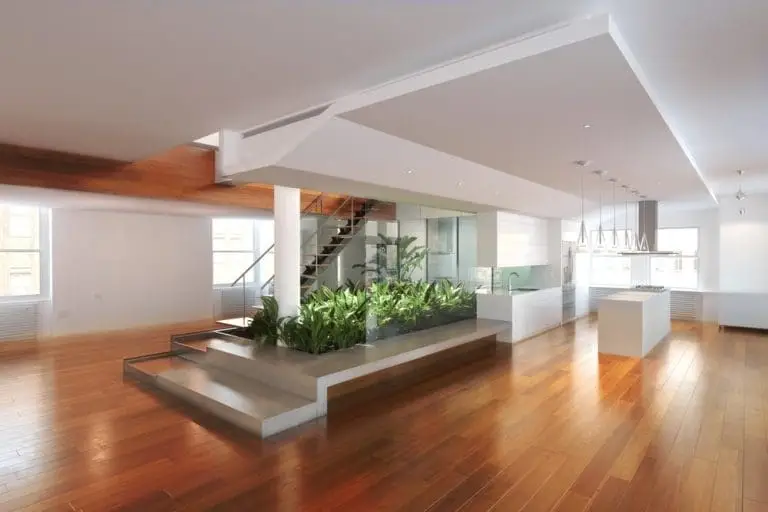
Have you recently had hardwood floors installed as part of an Ottawa home renovation? Do you want to keep your original hardwood floors in good condition? Follow these tips on how to care for hardwood floors: The trick with hardwood floors is to practice simple and quick daily, weekly, and monthly maintenance. This will spare you the hassle and expense of more intensive (and expensive!) restoration down the road. You should dust daily to sweep up dust, hair, dirt, pet dander, food remnants, and other nasties. If left unattended, these particles can scratch your floor. Use a soft material like microfibre to attract dust and prevent scratching. If something gets spilled on the floors, wipe it up immediately. Vacuum your floors about once per week. Use an attachment with a brush or felt head designed specifically for use on hardwood floors, as beater bars or the regular vacuum can scratch the finish on your floors. Polishing Polish your floors with a water-based polish every season. These will restore the shine to your floor, and also fill in micro-scratches before they turn into more noticeable blights on your floor. Make sure you wipe your floors dry with a soft cloth, as standing water can damage wood floors. Preventing Marks Sometimes the biggest thing you can do to protect your hardwood floors is to adjust your behaviour. No one should ever walk with hardwood shoes on the floor. If you have high-trafficked areas, consider placing area rugs to reduce wear on your floors. Keep pet nails trimmed so they don’t scratch the finish with their claws. Place protective pads underneath your furniture and tables so they don’t scratch the floors if moved. Maintain a comfortable humidity level in the home. How to Remove Marks Even with attentive care, sometimes you can’t avoid getting marks on your floor – pet stains, water marks, heel scuffs, you name it. Most of these marks can be removed with floor wax, but it’s important to read the label beforehand and test on a small area first. What to Avoid Never used any products on your floor unless they are specifically for hardwood floors. Vinegar can dull the finish, soap and wax leave residues, and the heat and water from steam cleaners can do damage. Do not use bleach, ammonia, or abrasive cleaners. Hardwood floors may be the crown jewel of your Ottawa home renovation, so treat them with care and they’ll look incredible for many years. Contact us through our online form, or give us a call at (613) 727-9427 to request your free in-home