
Kitchen Renovation Ottawa — Custom Design & Remodeling by RenosGroup
Transform your kitchen with professional custom design services in Ottawa. Elevate functionality and aesthetics, creating a space you truly love.

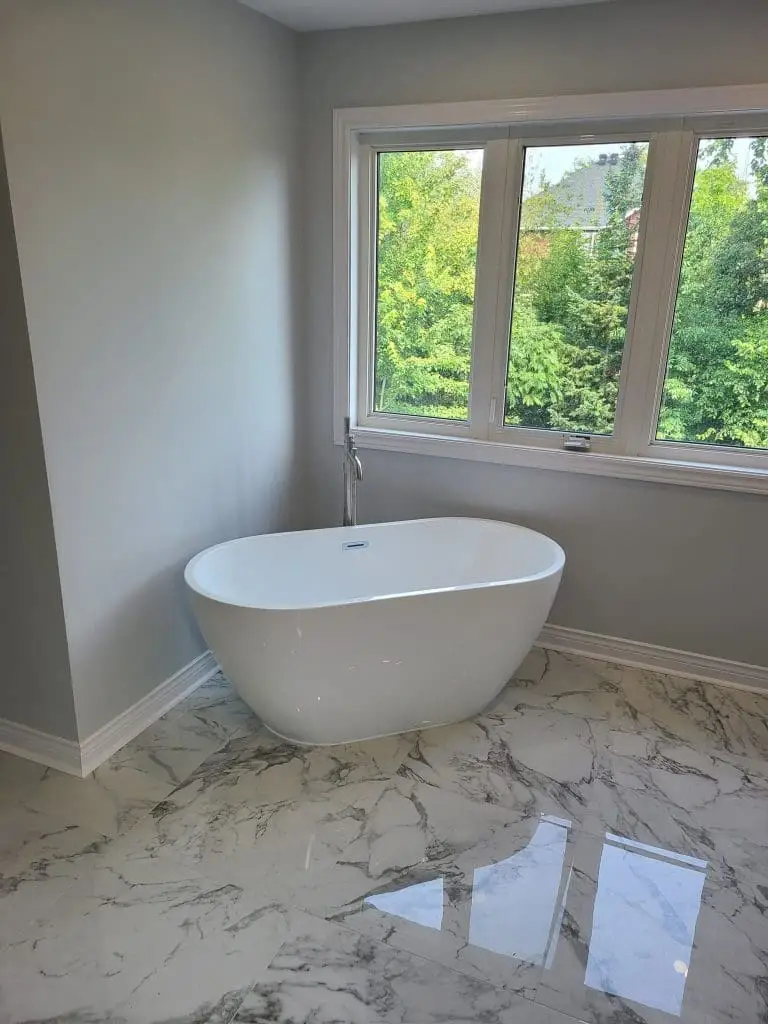
Transform your kitchen with professional custom design services in Ottawa. Elevate functionality and aesthetics, creating a space you truly love.

It’s normal to think about style, trends, or your own comfort when you’re planning home improvements. Take a more sensible approach, though, if the subject of resale value comes up at all. Not every home renovation project gives a good return. Some improvements may cost more than they raise the value of your house. If you own a home in Ottawa, you should focus on making changes that make it more useful, appealing, and ready to move into for potential buyers. Here are three smart renovations that always help raise the resale worth without spending too much. 1. Updates to the kitchen that put function over style The kitchen is often one of the first rooms that buyers look at. It’s a big part of how people think about the general state of a house. Still, a full kitchen update isn’t always needed to make things better. A lot of the time, easy, well-thought-out upgrades can be more valuable than a full renovation in Ottawa homes. What to put first: Instead of replacing all the cabinets, cleaning or painting them Quartz or vinyl countertops that last a long time and are easy to clean Better lighting, with choices for under-cabinet lighting New hardware and plumbing give the room a clean, modern look. People are more likely to buy a kitchen that works well and feels clean and up-to-date than one that is full of high-end finishes that are very personalised. If you’re thinking about a bigger job, you might want to look at how professionals handle layout and efficiency. In their Kitchen Renovation Ottawa – Montreal Rd, RenosGroup shows cases of useful upgrades. Additionally, you can learn more about general best practices for kitchen renovations at www.canada.ca, which lists safety and usability factors important to both buyers and residents. 2. Bathroom renovations that make things more comfortable and reliable Even though bathrooms are small, they play a big role in a buyer’s choice. Even if the rest of the house is in good shape, an old or poorly kept bathroom can be a cause for worry. The goal isn’t luxury, but dependability, cleanliness, and making good use of room. Some smart changes are: Changing out old faucets for ones that use less water Putting in floors and wall coverings that don’t absorb water Changing cabinets to make them easier to use and store Making sure that the right ventilation methods are in place Ventilation is essential for preventing mould and long-term water damage. A website called cmhc-schl.gc.ca says that good airflow is important for maintaining a healthy indoor environment, which buyers are becoming more aware of. Small changes to the bathroom can make it feel newer and better for its purpose. A lot of the time, good lighting, clean lines, and neutral finishing are more important than high-end materials. 3. Basement renovation to add more living space The amount of useful space in an Ottawa home is a big part of how much it’s worth. A finished basement can give you more useful living space, which can help your home sell to a wider range of people. A well-designed basement offers flexibility, serving as a space for work, family activities, or additional storage. Usual basement tasks: Room for the family or fun A home office or a place to work from home Room for guests or an in-law room Possible rental income (where allowed) But remodelling a basement needs to be carefully planned. Controlling humidity, keeping heat in, and making sure there are good exits are important for comfort, safety, and following the rules. The City of Ottawa makes it easy to understand what building requirements, such as permits and safety guidelines, are: Visit ottawa.ca for more information. It’s especially important to follow local rules if you want to add things like a second kitchen or a rental unit. Read more about What Home Renovations Require a Permit in Ontario, Canada? A finished basement that meets building codes and looks and feels like an extension of the house can make it much more valuable in the eyes of buyers. Why renovations that are “smart” work Over-improving their land is a mistake that many homeowners make. Choosing high-end finishes or following design trends can be tempting, but they don’t always mean that the home will be worth more when it comes time to sell. When you do smart repairs, you pay attention to: What about functionality? Does the room work well for daily tasks? Will the products last for a long time? Can a lot of different types of buyers picture themselves in the space? Compliance: Do the repairs follow the rules set by the local government? By thinking about these things, you can avoid spending money on things that aren’t important and focus on upgrades that will really help your home sell. Final Thoughts Increasing the value of your home doesn’t have to mean making big changes. A lot of the time, updating important rooms like the kitchen, bathroom and basement can really make a difference. People who want to buy a home in Ottawa usually want one that looks like it has been well taken care of, is useful, and is ready to move into. Renovations are more likely to pay off if they live up to those hopes. When you’re planning your next job, being practical can help you balance what you need now with what you can get in the future. Getting ready to renovate your Ottawa home? RenosGroup can help you make your renovation plans into a facility that fits your needs and long-term ambitions. There is more to home remodelling than just choosing a design. Each stage is vital to the final result, from getting permits and following building codes to thinking about the structure and controlling moisture. There is a lot of information online, but dealing with specialists who have done this before will assist make sure your project is done securely and correctly. Taking your time when remodelling a kitchen, bathroom, or basement can make a

Unlock valuable insights on bathroom renovations tailored for Ottawa residents. Get expert answers to the most pressing FAQs and enhance your home today!

Transform your kitchen with an undermount sink and laminate countertop. This essential guide provides professional tips for a successful installation process.

Transform your home with accessible bathroom and kitchen solutions in Nepean. RenosGroup helps enhance safety and usability for all residents.

Crafting a budget-friendly kitchen can be simple with the right expert tips. Get practical strategies to maximize value and create your ideal culinary space.
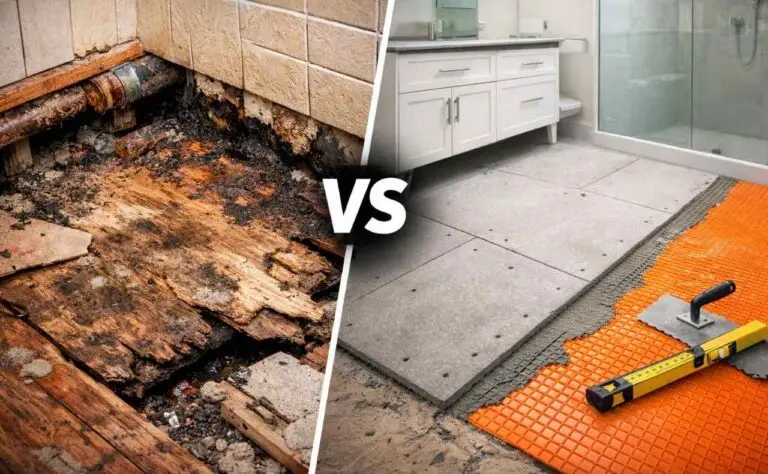
We at RenosGroup.ca believe in a “foundation-first” approach to home renovation. The subfloor is the most important part of a kitchen or bathroom project, not the cabinetry, backsplash, or hardware. One of the most frequently asked questions we receive is whether homeowners can simply use plywood or OSB (Oriented Strand Board) as a subfloor in these wet areas. While wood is a staple of residential construction, it is fundamentally ill-suited for the unique environment of a kitchen or bathroom. Here is an educational look at why we recommend moisture-stable alternatives and why avoiding wood subfloors is essential for the longevity of your home. 1. The Science of Wood and Moisture To understand why wood fails in wet zones, we have to look at its biological composition. Wood is an organic, “living” material. Even after it has been kiln-dried and processed into construction-grade sheets, it remains hygroscopic. This means it will always try to balance the amount of moisture in the air around it. The Cycle of Expansion and Contraction Wood is pretty stable in a dry place, like a hallway or bedroom. However, bathrooms and kitchens are subject to constant fluctuations in humidity and direct liquid exposure. Expansion: When wood absorbs water—whether from a steamy shower, a mopping bucket, or a dishwasher leak—the cellulose fibers swell. Contraction: As the wood dries, it shrinks back down. This movement poses a significant challenge to a high-quality renovation. Most modern kitchen and bathroom floors utilize tile, stone, or luxury vinyl. These materials (and the grout or adhesives holding them) are rigid. When the subfloor beneath them is constantly expanding and contracting, it creates mechanical stress. Over time, this stress shows up as cracked grout lines, tiles that have “popped” or come loose, and even cracks in the tiles themselves. Explore top flooring trends for stable kitchen and bathroom surfaces here 2. The Threat of Structural Rot and Mold The primary danger of using wood in wet areas isn’t just that it moves; it’s that it decays. Wood is organic matter, which means it provides a food source for fungi and mold. The “Sandwich” Effect In a normal renovation, a finished floor, like tile or vinyl, is put on top of the subfloor. These finishing materials are usually water-resistant or waterproof. These finish materials are often waterproof or water-resistant. If water finds its way through a failed silicone bead around a bathtub or a minor leak under a kitchen sink, it becomes trapped between the finished floor and the wood subfloor. Without airflow, the moisture has nowhere to go. This creates a “sandwich” of dampness. In our professional experience at RenosGroup.ca, we have seen countless instances where the top of a tile floor looks perfectly fine, but the wood subfloor beneath it has turned into a soft, pulpy mass. This is called “dry rot,” but it needs moisture to start. When rot starts, it weakens the structure of the floor, which can cause it to sag and make it dangerous to use heavy appliances or bathtubs. Air Quality and Health In addition to structural problems, wet wood subfloors are a perfect place for mold to grow. Mold can grow on the subfloor without anyone knowing it for years. The spores eventually make their way into the air in the home, where they could cause breathing problems and allergic reactions. Using an inorganic subfloor gets rid of the food that mold needs to grow. Learn how to prevent mold after your bathroom renovation here 3. The Specific Problem with OSB and Plywood Not all wood subfloors are the same, but both common types have their problems when they get wet: OSB (Oriented Strand Board): This type of board is made of wax and resin that hold together compressed wood flakes. While it is strong, it is particularly susceptible to “edge swelling.” If the edges of an OSB sheet get wet, they expand and often stay expanded even after they dry. This creates an uneven floor surface that will be visible through your new flooring. Plywood: Plywood consists of thin layers of wood glued together in alternating directions. While more stable than OSB, it is prone to delamination. If moisture stays trapped in the layers, the glue fails, and the layers peel apart, causing the floor to lose its load-bearing capacity. 4. Professional Alternatives: What We Use at RenosGroup.ca As professionals, we prioritize the use of materials specifically engineered for the task at hand. In kitchens and bathrooms, we move away from organic wood and toward inorganic, moisture-stable products. Cement Backer Boards (CBU) Materials such as HardieBacker or Durock are the industry standard for a reason. These boards are made of cement, sand, and glass-fiber mesh. Why they work: They are 100% inorganic. If they get wet, they resist rot and swelling and prevent mold growth. They provide a perfectly rigid, flat surface that is ideal for thin-set mortar and tile. Uncoupling Membranes (Schluter-DITRA) In high-end renovations, we often utilize uncoupling membranes. These are polyethylene (plastic) mats with a specific grid structure. Waterproofing: They act as a total vapor and water barrier. Movement Management: They allow the subfloor and the tile to move independently. The membrane “uncouples” the movement from the tile, which stops cracks from happening. This condition happens when the house settles or the joists move slightly. New Composite Boards Magnesium Oxide (MgO) boards and other new technologies work even better. They are lighter than cement board, but they are just as resistant to water and fire, making them a better base for any kitchen or bathroom design. See our dream kitchen renovation plans using moisture-proof materials 5. Long-Term Value and ROI We understand that choosing specialized subflooring materials adds a small cost to the initial budget. However, we always educate our clients on the “Cost of Failure.” Installing a proper, moisture-stable subfloor is significantly less expensive than a “rip-out.” If a wood subfloor fails due to a leak five years from now, you aren’t just paying to fix the subfloor; you
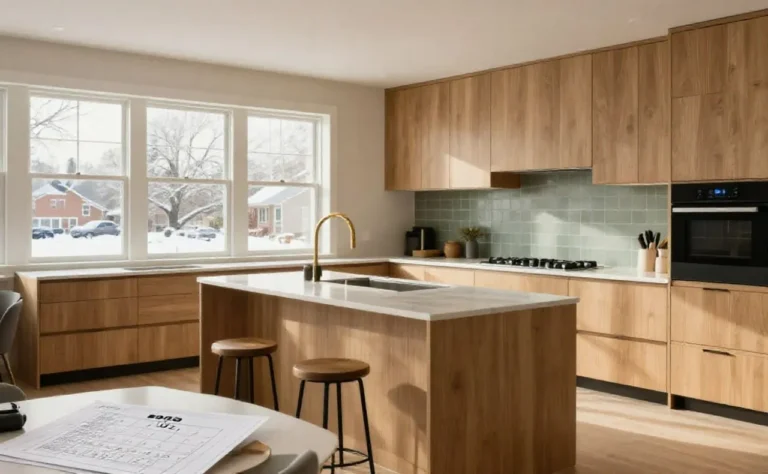
Renovation priorities are shifting in 2026, especially for homeowners in Ottawa. Rising construction costs, an aging housing stock, and shifting lifestyles are prompting people to think more carefully before undertaking renovations. Bigger homes are no longer the automatic goal. Most projects these days are about making layouts smarter, making things last longer, and being flexible. This change is especially clear in Ottawa. Many homes were built many years ago and aren’t suitable for today’s needs. People are staying in their homes longer, working from home more often, and planning renovations that will still make sense years from now. This article talks about how renovations in Ottawa will be different in 2026 and what homeowners should think about before starting a project. Renovating for real life, not resale checklists One clear change we see in 2026 is that people are planning renovations based on how they live their lives, not just how much the house will sell for. Most Ottawa homeowners we speak with are not renovating to sell next year. They are renovating because their home no longer works the way they need it to. That changes the conversation entirely. Instead of asking what is trending, homeowners are asking practical questions: Will this space still work if we work from home longer Can this layout adapt if our family changes Are we fixing real problems or just updating finishes Dining rooms are being repurposed. Spare bedrooms are becoming offices. Main floors are being adjusted to reduce stairs and improve flow. These changes are not flashy, but they make a noticeable difference day to day. Basement renovations built for flexibility Basement renovations continue to be one of the most practical upgrades in Ottawa, especially in 2026. Many homes already have basements that are underused or finished in a way that no longer makes sense. Instead of designing basements for a single purpose, homeowners are planning for flexibility. A basement might be a home office today, a guest space in a few years, and potentially a rental or family suite later on. That means layouts need to allow for change. Common priorities we see include: Sound control for work and privacy Proper insulation and moisture management Space planning that allows future separation Bathrooms designed to meet code from the start In Ottawa, basement renovations also require careful attention to permits and building requirements. Planning correctly upfront avoids delays and expensive changes later. Kitchens focused on layout and storage Kitchen renovations in 2026 are less about showpiece design and more about usability. Many older Ottawa homes have kitchens with awkward layouts, limited storage, or poor workflow. Instead of expanding the footprint, homeowners are choosing to improve what they already have. The most effective kitchen renovations usually focus on: Improving traffic flow Adding functional storage Choosing durable materials Upgrading lighting and ventilation Small changes, like repositioning appliances or reworking cabinetry, often have more impact than adding square footage. From a cost standpoint, this approach is also easier to control. Learn how Ottawa homeowners are improving kitchen layout and storage Bathrooms planned with the future in mind Bathroom renovations are changing as well. Even homeowners who do not currently need accessibility features are planning for them. Walk in showers, wider clearances, and reinforced walls are becoming standard in many renovations. In Ottawa, where many people plan to stay in their homes long term, this approach makes sense. Renovating once with future needs in mind is usually more cost effective than making reactive changes later. Trying to future proof everything at once can lead to overbuilding. The goal is balance, not excess. Home additions with clear purpose Homeowners are no longer just adding space for the sake of adding space; they want to know what problem the addition is actually solving. In 2026, additions are often made to meet certain needs, such as: Living on the main floor to cut down on the need for stairs In law or homes with more than one generation living there Areas set aside for working from home Well-planned additions fit in with the house and the neighborhood. This is especially important in Ottawa’s older neighborhoods where zoning and setbacks are important. Find out when a home addition makes sense for Ottawa homes Planning and budgeting for renovations in 2026 In 2026, homeowners are being more careful when planning renovations. People want fewer surprises, budgets are tighter, and expectations are clearer. Most of the time, the best projects start with honest talks about what is most important and what can be given up. What works best: Setting apart what you need and what you want Doing renovations in phases when needed Getting professionals involved early in the planning Leaving room for things you don’t know, especially in older homes Planning too quickly can cause stress later on. Rushed planning often leads to stress later. Spending more time upfront usually saves time and money overall. View recent renovation projects completed in Ottawa Sustainability that makes practical sense Sustainability in Ottawa renovations has become more practical and less about buzzwords. Homeowners are choosing upgrades that make their homes more comfortable and save them money in the long run, like better insulation, air sealing, and more efficient systems. Finishes that need to be replaced often are being replaced with materials that last a long time. These choices are important for Ottawa’s weather, and they are especially important for older homes. Why local renovation experience matters There are problems that come with renovating in Ottawa. All of these things are important: permits, inspections, older building methods, and neighborhood rules. Homeowners in 2026 value clear communication and experience more than ever. They want help from teams that know a lot about Ottawa homes and can help them make choices that will last. The look of the finished project isn’t the only thing that matters for a successful renovation. It’s about how the house works long after the dust has settled. Frequently Asked Questions About Ottawa Renovations in 2026 How much does a home renovation
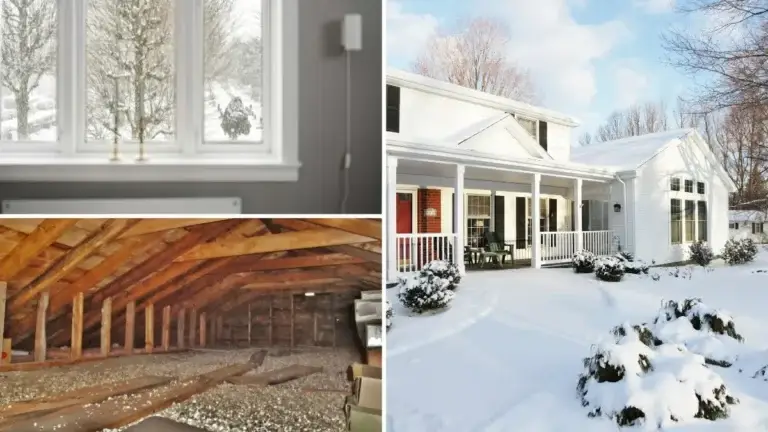
The winters in Ottawa are legendary. When the temperature drops and the wind chill makes it feel much colder, we’ve all experienced it. The cost of maintaining a warm and cozy home can quickly become a significant concern, despite the beauty of the snowy scenery. If you live in Ottawa, getting ready for the cold involves more than just covering your outdoor furniture; it also entails making wise, long-term improvements that will increase your comfort level and save your energy costs. The finest investment you can make in your home’s winter performance, in our opinion at RenosGroup.ca, is a well-done Ottawa makeover. This thorough handbook guides you through necessary restoration tasks that are tailored to the specific needs of the National Capital Region, from large overhauls to minor, strategic enhancements. Windows and Doors When you feel a draft near a window, you’re not just feeling cold air; you’re watching your heating dollars float right out of your house. Windows and doors are often the biggest culprits for heat loss in older Ottawa homes. Replacing Windows for Efficiency If your windows are single-pane, sticky, or visibly warped, replacement is one of the most impactful winter-readiness renovation tips. Modern windows offer significant improvements: Low-E glass coatings are tiny layers that reflect heat into your home in the winter and keep it out in the summer. This makes your home far more energy-efficient year-round. Filling with Argon or Krypton Gas: An inert gas (most often argon) fills the area between the glass panes. This gas is denser than air, which slows down heat transmission and makes the window even better at keeping heat in (U-factor). Better Frames: Look for vinyl or fiberglass frames that are strong and don’t expand or contract in very hot or freezing weather. This will keep the seal tight year after year. When planning your window renovation, consult a local expert to ensure you select windows rated for Ottawa’s extreme cold, often indicated by a high Energy Rating (ER). Learn more about efficient window standards Sealing and Replacing Exterior Doors While a new, insulated steel or fiberglass door is ideal, often the biggest problem lies in the seal. A successful door renovation often includes: Replacing the Weatherstripping: Over time, the flexible material around the door frame (weatherstripping) becomes brittle and fails. Replacing this is a fast, cost-effective project. Installing a Quality Door Sweep: The gap at the bottom of the door is a major air leak. A high-quality, adjustable door sweep can eliminate this. Adjusting the Hinges: Sometimes, a door simply sags over time. A quick adjustment can bring it back into alignment, ensuring it presses tightly against the weatherstripping. The Insulation Overhaul If windows are the first line of defense, insulation is the fortress wall. Many older Ottawa homes simply don’t have enough insulation to handle prolonged deep freezes. A strategic insulation renovation is critical for maintaining consistent interior temperatures and maximizing energy efficiency. Looking for warm, winter-inspired design ideas? Be inspired by our feature on Home Renovation Ottawa: Holiday Cozy Cabin Chic Attic Insulation: The Quickest ROI Heat rises, making the attic your home’s thermal weak point. If you have less than 18 inches of insulation, you are losing substantial heat. The current recommended standard for a new build in the Ottawa area is often around R-60 or higher [^2]. The Project: An attic insulation renovation is relatively straightforward: installing blown-in cellulose or fiberglass over your existing material. The Critical Step: Ventilation: Insulation must be paired with proper ventilation (soffit and ridge vents) to prevent moisture buildup and, crucially, to keep the roof deck cold. A cold roof prevents snow from melting and refreezing, which is the main cause of destructive ice dams, a common and expensive problem in Ottawa winters. Insulation standards reference: Insulation Wall Insulation: The Next-Level Upgrade Insulating existing exterior walls is a more involved home renovation, but it can dramatically change your home’s comfort level. Drill-and-Fill Method: For homes without wall insulation (common in pre-1950s construction), a contractor can drill small holes in the exterior siding or interior drywall and blow in insulation (foam or cellulose), sealing the holes afterward. Basement and Crawl Space Insulation If the floor is cold, it means that heat is escaping from underneath. If you have a finished basement, insulating the walls or crawl space can make a big difference for the ground floor of your home. Basement Walls: Rigid foam insulation boards (like XPS or polyiso) are frequently the best choice for basement walls because they keep moisture out and act as a vapor barrier. This is also important in places where the foundation is shaky. This process is a basic stage in any full basement restoration. Reference—Basement insulation guide: Maintaining Your Home – Basemen Heating Systems: Modernizing for Maximum Performance Your winter comfort is powered by your furnace. An aged system is naturally less effective and more likely to fail when you need it most, even though upkeep is essential. Installation of High-Efficiency Furnaces Think about getting a new furnace if yours is more than 15 years old. Contemporary high-efficiency versions (rated 92% AFUE or greater) use advanced heat exchangers to extract much more heat from the fuel they burn. This renovation project in Ottawa is significant but well worth the cost. Reference: Furnace standards Taking Up Heat Pumps Even in frigid weather, heat pumps are becoming more and more common in the Ottawa region. Even at temperatures considerably below freezing, contemporary cold-climate air source heat pumps are incredibly efficient and can serve as your primary source of heating and cooling. Through initiatives like the Canada Greener Homes Initiative (or similar provincial programs), this technology frequently qualifies for federal and provincial subsidies, which help manage the initial renovation costs. Zoning and Smart Thermostats Installing a smart thermostat is a more straightforward but efficient update. You can control these gadgets remotely, they can learn your routine, and they can automatically adjust the temperature when you’re not present. For bigger Ottawa houses, think about renovating your zoning
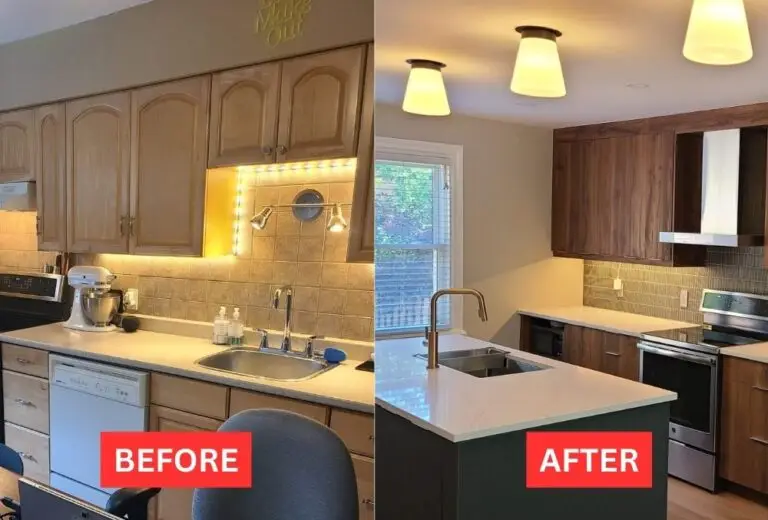
All home renovations have a story to tell. We at RenosGroup believe that remodels are more than replacing new cabinets or renovating the floors. They are about transforming the way a room functions, feels, and appears. Our latest Home Renovations in Ottawa – Larouche St is a wonderful example of how a carefully thought-out transformation can transform a house into a contemporary, functional, and inviting dwelling. A Kitchen Designed for Living The kitchen was the focal point for this transformation. The home was restrained by outdated finishes and a compartmentalized floor plan, so we began by removing a wall to create a more open and connected floor plan. This created the big living rooms instantly brighter and provided the room an excellent setting for both everyday family life and entertaining guests. We installed brand-new cabinets that are modern-looking and stylish and provide you with maximum storage capacity. A classy tile backsplash and a solid quartz counter were integrated into the space. The tile provided texture and sophistication. The kitchen is not just functional anymore; it’s a masterpiece. Smooth ceilings provide a contemporary appearance. The ceilings were one area that made a huge impact. The original stipple texture was removed and covered with a smooth, skim-coated finish on the main floor, both bedrooms, and the hallway. This small change made a huge impact in the appearance of the house, making it look clean and up-to-date throughout. Finishing touches, flooring, and trim New hardwood flooring was installed on the ground floor, making the living areas cozy and engaging. We also installed soft carpet in the hallway and on the two sets of stairs to make the floors warm and inviting. The new baseboards joined the rooms together and made the entire house look finished and uniform. The bay window received new trim as well, which allowed for more natural light and updated the overall appearance. These small touches made the entire house feel like a cohesive unit. A Basement with a Purpose The basement was converted into a stylish and functional living area. We renovated the bathroom to make it cozier and included a bespoke wine showcase cabinet, which is an excellent feature that combines luxury and functionality. This feature makes the basement appear and feel distinct, adding more value to the house. It can be utilized for entertaining guests or simply unwinding at home. New Paint Throughout The entire house was coated in new, neutral colors to tie the inside of the house together. The new paint not only brightened up every room, but it also enhanced the new features and finishes. It provided a great backdrop for furniture and decorations, allowing the owners the liberty to personalize their room to their liking. Exterior enhancements: deck and fences You can’t complete a renovation without renovating the exterior. We installed a new deck in the back, which made it a sturdy and inviting place to eat and lounge outdoors. They also installed new fences, which provided privacy and improved the appearance of the house from the street. These enhancements ensured that the exterior of the house feels as fresh and inviting as the interior. Complementary comments online from client: Joey from Ottawa What Makes This Project Stand Out The Ottawa–Larouche St. house remodeling project demonstrates how strong a total-home renovation can be. All the small things were considered, from altering the structure, such as removing walls, to incorporating design aspects, such as new trim on the windows. The final impact is a house that feels new, warm, and prepared for years of domestic life. At RenosGroup, we feel honored to provide renovations that are not only lovely, but also functional and durable. This job demonstrates how much we value quality work, attention to detail, and providing each customer with personalized treatment. Are you ready to renovate your home? Today is the perfect day to begin planning if you have been considering renovations for your home. Our team can assist you with any type of remodeling job, large or small, such as a new kitchen, bathroom, or basement. Call us at (613) 727-9427 or visit RenosGroup.ca to schedule a free consultation. Let’s create a home that looks great, works great, and will stand the test of time. If you require assistance with Ottawa renovations, you can rely on RenosGroup.ca. We serve Nepean, Barrhaven, Kanata, and more, and we always do it right.

Avoid costly bathroom renovation mistakes in Ottawa. Discover expert tips to remodel smarter and stress-free. While planning a bathroom renovation can be an exhilarating first step in enhancing your house, it could also lead to expensive mistakes if the correct approach is not taken. Knowing the most typical traps is vital whether you are renovating to modernize your room, enhance utility, or increase your house value. This post will examine the typical bathroom renovation blunders Ottawa residents make and how to prevent them. Based on real-life experiences and local knowledge, we will provide professional bathroom remodeling advice in Ottawa and clarify what not to do during a bathroom renovation. 1. Ignoring the Planning Phase Diving into a renovation job without a thorough plan is among the greatest errors. Skipping this step in Ottawa, where construction rules and climate concerns are especially important, might result in structural problems, unanticipated expenses, and project delays. Solution: Collaborate with a qualified contractor or designer who knows regional construction needs. Before starting any project, be sure you have a reasonable budget, a clear blueprint, and a timetable. 2. Underestimating the Budget Many homeowners mistakenly budget just for the apparent things like tiles and fixtures while neglecting hidden expenses that include plumbing renovations, mold removal, and ventilation enhancements. Tip: It would be advisable to allocate a 15-20% buffer in your budget to account for any unforeseen costs. Are you planning a bathroom renovation in Ottawa? Keep in mind that older houses could contain surprises buried behind walls. 3. Choosing Style Over Functionality Trends in design may change, yet a bathroom must prioritize functionality and safety. One of the most typical bathroom renovation errors Ottawa residents make is sacrificing utility for beauty. Things to Avoid: Avoid putting in fashionable fittings that don’t fit your home requirements. Floating vanities, for instance, could seem modern but provide less storage. Select water-resistant, robust materials that fit your way of life. 4. Hiring the Wrong Contractor Relying just on cost to choose a contractor is dangerous. Though some unlicensed or untrained people provide lowball estimates, Ottawa offers many trustworthy renovation professionals. Advice: Look at internet reviews and ask for referrals. Make sure the Ontario contractor is licensed and insured. Obtain a written contract with a thorough scope of services. 5. Ignoring Ventilation Needs Given the influence on humidity levels, ventilation is essential in Ottawa bathrooms. Poor ventilation allows for the rapid growth of mold and mildew. What Not to Do: A window should not be your only source of ventilation. Always add a silent, high-quality exhaust fan appropriate for the size of the room. 6. Poor Lighting Design Many households ignore lighting requirements even though a well-lit bathroom improves safety and comfort. Relying on a single ceiling fixture creates shadows and makes grooming activities more difficult. Tips: Apply layered lighting: ambient, task, and accent. For relaxation, think about dimmable lighting. To minimize shadows, position illumination on both sides of mirrors. 7. Ignoring Storage Options Many Ottawa residents lament that the bathroom renovations do not include more storage. A disorganized bathroom can quickly lose its appeal and usefulness. What Not to Do: Don’t take out current cabinets without first preparing suitable substitutes. To make the most of your space, think about vanity drawers, mirrored cabinets, and recessed shelves. 8. Ignoring Waterproofing Bathroom remodels raise major water damage issues. Not adequately waterproofing could result in expensive repairs and health risks from mold growth. Tips: Behind shower and tub walls, always utilize waterproof membranes. Ensure the flooring is sealed, particularly near fittings. 9. DIY Overconfidence Many homeowners overestimate the difficulty of a bathroom renovation. Unskilled do-it-yourself projects sometimes result in uneven tiles, faulty plumbing connections, or hazardous electrical wiring. Tips: Understand your boundaries. For electrical and plumbing work, hire qualified people. You can still perform cosmetic tasks like painting or hardware installation yourself. 10. Not Getting Permits Permits may seem burdensome, even though they are necessary for structural, electrical, and plumbing modifications. Skipping this stage could lead to problems or penalties when selling your house. What Not to Do Never presume a permit is not required. Please consult with your contractor or the City of Ottawa to ensure all work is legally authorized. 11. Not Future-Proofing Your Design Many homeowners neglect to plan for the future even as they concentrate on present demands. Your bathroom should be flexible, whether your family is expanding or you are aging in situ. Think of non-slip flooring, grab bars, and walk-in showers. Select a design that fits various users over time. If done correctly, bathroom remodels could be a wonderful investment. Steering clear of the most frequent bathroom renovation blunders Ottawa residents make will help you to avoid much of frustration and thousands of dollars. To guarantee a seamless, effective redesign, follow this bathroom remodeling Ottawa advice and be aware of what not to do in a bathroom renovation. A bathroom area that is both lovely and constructed to last will be created by your careful planning, cooperation with respected experts, and emphasis on utility. If you’re unsure where to begin, please consult with local Ottawa remodeling specialists who are familiar with the specific challenges of our industry. Are you experiencing difficulties with your bathroom renovation in Ottawa? Reach out to a reliable, nearby renovation expert for a complimentary consultation to make your idea a reality free of expensive errors. Are you prepared to confidently renovate? Do you feel uncertain about where to start? Our knowledgeable staff will assist you in designing a remodel that meets your goals, budget, and available area. Are you worried about delays or hidden expenses? From consultation to conclusion, we’ll guide you through a clear process—no shocks. Deciding? We recommend consulting with a professional first. Our staff is glad to respond to your inquiries and provide information specific to your house. Please feel free to contact RenosGroup or call (613) 727-9427 to arrange your free consultation. Now it’s your turn; we’ve assisted hundreds of Ottawa residents in changing their restrooms. From a