
Preparing Your Home for Winter: Ottawa Renovation Winter Tips for Comfort
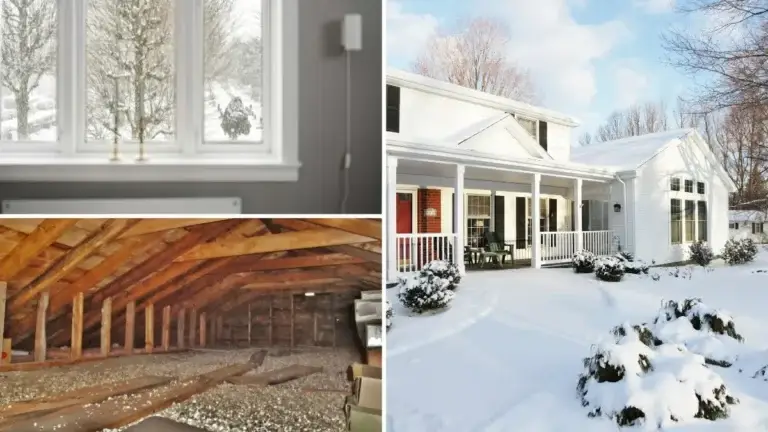
The winters in Ottawa are legendary. When the temperature drops and the wind chill makes it feel much colder, we’ve all experienced it. The cost of maintaining a warm and cozy home can quickly become a significant concern, despite the beauty of the snowy scenery. If you live in Ottawa, getting ready for the cold involves more than just covering your outdoor furniture; it also entails making wise, long-term improvements that will increase your comfort level and save your energy costs. The finest investment you can make in your home’s winter performance, in our opinion at RenosGroup.ca, is a well-done Ottawa makeover. This thorough handbook guides you through necessary restoration tasks that are tailored to the specific needs of the National Capital Region, from large overhauls to minor, strategic enhancements. Windows and Doors When you feel a draft near a window, you’re not just feeling cold air; you’re watching your heating dollars float right out of your house. Windows and doors are often the biggest culprits for heat loss in older Ottawa homes. Replacing Windows for Efficiency If your windows are single-pane, sticky, or visibly warped, replacement is one of the most impactful winter-readiness renovation tips. Modern windows offer significant improvements: Low-E glass coatings are tiny layers that reflect heat into your home in the winter and keep it out in the summer. This makes your home far more energy-efficient year-round. Filling with Argon or Krypton Gas: An inert gas (most often argon) fills the area between the glass panes. This gas is denser than air, which slows down heat transmission and makes the window even better at keeping heat in (U-factor). Better Frames: Look for vinyl or fiberglass frames that are strong and don’t expand or contract in very hot or freezing weather. This will keep the seal tight year after year. When planning your window renovation, consult a local expert to ensure you select windows rated for Ottawa’s extreme cold, often indicated by a high Energy Rating (ER). Learn more about efficient window standards Sealing and Replacing Exterior Doors While a new, insulated steel or fiberglass door is ideal, often the biggest problem lies in the seal. A successful door renovation often includes: Replacing the Weatherstripping: Over time, the flexible material around the door frame (weatherstripping) becomes brittle and fails. Replacing this is a fast, cost-effective project. Installing a Quality Door Sweep: The gap at the bottom of the door is a major air leak. A high-quality, adjustable door sweep can eliminate this. Adjusting the Hinges: Sometimes, a door simply sags over time. A quick adjustment can bring it back into alignment, ensuring it presses tightly against the weatherstripping. The Insulation Overhaul If windows are the first line of defense, insulation is the fortress wall. Many older Ottawa homes simply don’t have enough insulation to handle prolonged deep freezes. A strategic insulation renovation is critical for maintaining consistent interior temperatures and maximizing energy efficiency. Looking for warm, winter-inspired design ideas? Be inspired by our feature on Home Renovation Ottawa: Holiday Cozy Cabin Chic Attic Insulation: The Quickest ROI Heat rises, making the attic your home’s thermal weak point. If you have less than 18 inches of insulation, you are losing substantial heat. The current recommended standard for a new build in the Ottawa area is often around R-60 or higher [^2]. The Project: An attic insulation renovation is relatively straightforward: installing blown-in cellulose or fiberglass over your existing material. The Critical Step: Ventilation: Insulation must be paired with proper ventilation (soffit and ridge vents) to prevent moisture buildup and, crucially, to keep the roof deck cold. A cold roof prevents snow from melting and refreezing, which is the main cause of destructive ice dams, a common and expensive problem in Ottawa winters. Insulation standards reference: Insulation Wall Insulation: The Next-Level Upgrade Insulating existing exterior walls is a more involved home renovation, but it can dramatically change your home’s comfort level. Drill-and-Fill Method: For homes without wall insulation (common in pre-1950s construction), a contractor can drill small holes in the exterior siding or interior drywall and blow in insulation (foam or cellulose), sealing the holes afterward. Basement and Crawl Space Insulation If the floor is cold, it means that heat is escaping from underneath. If you have a finished basement, insulating the walls or crawl space can make a big difference for the ground floor of your home. Basement Walls: Rigid foam insulation boards (like XPS or polyiso) are frequently the best choice for basement walls because they keep moisture out and act as a vapor barrier. This is also important in places where the foundation is shaky. This process is a basic stage in any full basement restoration. Reference—Basement insulation guide: Maintaining Your Home – Basemen Heating Systems: Modernizing for Maximum Performance Your winter comfort is powered by your furnace. An aged system is naturally less effective and more likely to fail when you need it most, even though upkeep is essential. Installation of High-Efficiency Furnaces Think about getting a new furnace if yours is more than 15 years old. Contemporary high-efficiency versions (rated 92% AFUE or greater) use advanced heat exchangers to extract much more heat from the fuel they burn. This renovation project in Ottawa is significant but well worth the cost. Reference: Furnace standards Taking Up Heat Pumps Even in frigid weather, heat pumps are becoming more and more common in the Ottawa region. Even at temperatures considerably below freezing, contemporary cold-climate air source heat pumps are incredibly efficient and can serve as your primary source of heating and cooling. Through initiatives like the Canada Greener Homes Initiative (or similar provincial programs), this technology frequently qualifies for federal and provincial subsidies, which help manage the initial renovation costs. Zoning and Smart Thermostats Installing a smart thermostat is a more straightforward but efficient update. You can control these gadgets remotely, they can learn your routine, and they can automatically adjust the temperature when you’re not present. For bigger Ottawa houses, think about renovating your zoning
Home Renovations in Ottawa – Larouche St: A Total Transformation
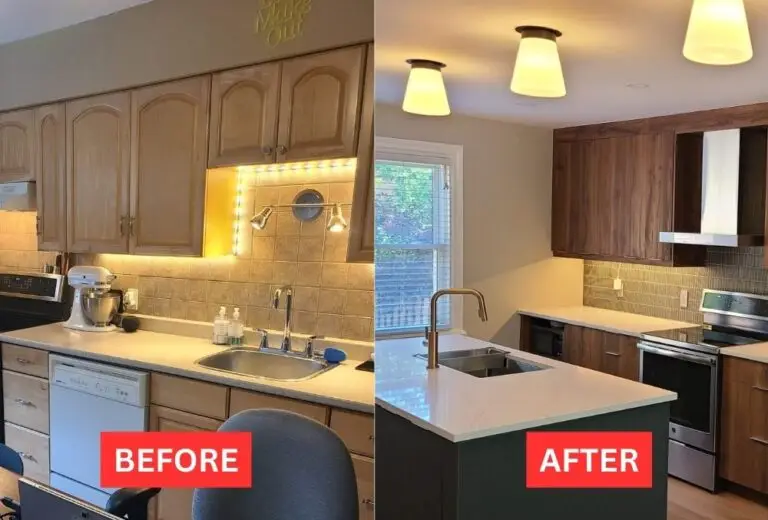
All home renovations have a story to tell. We at RenosGroup believe that remodels are more than replacing new cabinets or renovating the floors. They are about transforming the way a room functions, feels, and appears. Our latest Home Renovations in Ottawa – Larouche St is a wonderful example of how a carefully thought-out transformation can transform a house into a contemporary, functional, and inviting dwelling. A Kitchen Designed for Living The kitchen was the focal point for this transformation. The home was restrained by outdated finishes and a compartmentalized floor plan, so we began by removing a wall to create a more open and connected floor plan. This created the big living rooms instantly brighter and provided the room an excellent setting for both everyday family life and entertaining guests. We installed brand-new cabinets that are modern-looking and stylish and provide you with maximum storage capacity. A classy tile backsplash and a solid quartz counter were integrated into the space. The tile provided texture and sophistication. The kitchen is not just functional anymore; it’s a masterpiece. Smooth ceilings provide a contemporary appearance. The ceilings were one area that made a huge impact. The original stipple texture was removed and covered with a smooth, skim-coated finish on the main floor, both bedrooms, and the hallway. This small change made a huge impact in the appearance of the house, making it look clean and up-to-date throughout. Finishing touches, flooring, and trim New hardwood flooring was installed on the ground floor, making the living areas cozy and engaging. We also installed soft carpet in the hallway and on the two sets of stairs to make the floors warm and inviting. The new baseboards joined the rooms together and made the entire house look finished and uniform. The bay window received new trim as well, which allowed for more natural light and updated the overall appearance. These small touches made the entire house feel like a cohesive unit. A Basement with a Purpose The basement was converted into a stylish and functional living area. We renovated the bathroom to make it cozier and included a bespoke wine showcase cabinet, which is an excellent feature that combines luxury and functionality. This feature makes the basement appear and feel distinct, adding more value to the house. It can be utilized for entertaining guests or simply unwinding at home. New Paint Throughout The entire house was coated in new, neutral colors to tie the inside of the house together. The new paint not only brightened up every room, but it also enhanced the new features and finishes. It provided a great backdrop for furniture and decorations, allowing the owners the liberty to personalize their room to their liking. Exterior enhancements: deck and fences You can’t complete a renovation without renovating the exterior. We installed a new deck in the back, which made it a sturdy and inviting place to eat and lounge outdoors. They also installed new fences, which provided privacy and improved the appearance of the house from the street. These enhancements ensured that the exterior of the house feels as fresh and inviting as the interior. Complementary comments online from client: Joey from Ottawa What Makes This Project Stand Out The Ottawa–Larouche St. house remodeling project demonstrates how strong a total-home renovation can be. All the small things were considered, from altering the structure, such as removing walls, to incorporating design aspects, such as new trim on the windows. The final impact is a house that feels new, warm, and prepared for years of domestic life. At RenosGroup, we feel honored to provide renovations that are not only lovely, but also functional and durable. This job demonstrates how much we value quality work, attention to detail, and providing each customer with personalized treatment. Are you ready to renovate your home? Today is the perfect day to begin planning if you have been considering renovations for your home. Our team can assist you with any type of remodeling job, large or small, such as a new kitchen, bathroom, or basement. Call us at (613) 727-9427 or visit RenosGroup.ca to schedule a free consultation. Let’s create a home that looks great, works great, and will stand the test of time. If you require assistance with Ottawa renovations, you can rely on RenosGroup.ca. We serve Nepean, Barrhaven, Kanata, and more, and we always do it right.
Soundproofing Your Basement: Expert Advice
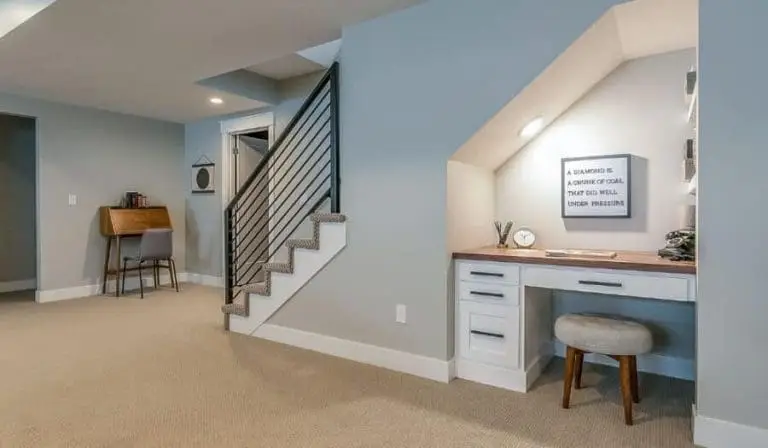
This guide offers expert advice on soundproofing your basement, transforming it into a tranquil oasis. We at RenosGroup understand the challenges of transforming an existing basement into a peaceful retreat. While the core principles of soundproofing remain the same (addressing airborne and impact noise), some additional considerations come into play during renovations: Planning and Accessibility: Early Integration: Soundproofing is most effective when incorporated into the initial renovation plan. This allows for easier access to walls, ceilings, and floors for installing materials like resilient channels and mass-loaded vinyl. Cost vs. Benefit: Striking a balance between desired noise reduction and budget is crucial. Discussing options with a contractor can help determine the most cost-effective solutions for your specific needs. Renovation Techniques: Addressing Existing Walls: Removing drywall during renovations provides the perfect opportunity to incorporate soundproofing measures like resilient channels, soundproofing insulation, and MLV or noise proofing compound directly within the wall cavity. Ceiling Soundproofing: Adding a secondary layer of drywall with soundproofing compound in between and installing soundproofing insulation above the existing ceiling can significantly reduce noise transmission. Floor Decoupling: Consider decoupling the basement floor from the foundation if feasible. This can be achieved by installing a resilient subfloor layer specifically designed to absorb vibrations. Expert Recommendations: Sound Isolation Specialists: Consulting with a contractor specializing in sound isolation can be highly beneficial. They possess the expertise to assess your specific needs, recommend suitable materials and techniques, and ensure proper installation for optimal results. Addressing Flanking Paths: Sound can travel through unexpected pathways like shared walls or utility penetrations. Renovations offer the opportunity to address these flanking paths by incorporating soundproofing measures at these locations. Aesthetics and Functionality: While soundproofing is crucial, don’t neglect the aesthetics of your finished basement. Consider using decorative sound absorption panels or incorporating soundproofing elements seamlessly into the overall design. Basement Soundproof Renovation Checklist Does the constant rumble from upstairs disrupt your dreams of a tranquil home theater, a dedicated music studio, or even a peaceful reading nook in your basement? Unwanted noise can quickly shatter the serenity of this valuable space. This checklist equips you with the essential steps to ensure your basement renovation prioritizes soundproofing, transforming it into a haven of peace and quiet. 1. Understanding Your Noise Enemy: Identify the Source and Type The first step is pinpointing the culprit: Airborne sound: This refers to sound waves traveling through the air, encompassing everything from music and conversations to laughter and television noise. Impact noise: This category deals with sounds caused by direct contact or vibration, including footsteps, dropped objects, and appliance noise. Knowing the type of noise allows you to target the most effective soundproofing solutions. 2. Consulting the Experts: Seek Professional Guidance Partnering with a qualified contractor or architect who is familiar with soundproofing techniques is crucial. Their expertise ensures: Adherence to local building codes: Soundproofing materials and installations might need to comply with specific regulations in your area. Selection of suitable materials: Professionals can recommend the most effective materials based on your noise concerns and budget. Proper installation practices: Improper installation can compromise the effectiveness of soundproofing measures. 3. Planning for Accessibility: Maximize Space for Soundproofing Before construction commences, consider how easily soundproofing materials can be incorporated. This might involve: Leaving adequate space between wall framing and drywall: This allows for the installation of resilient channels and soundproofing insulation. Planning electrical and plumbing routes: Anticipate any rerouting of electrical wires and plumbing lines that might be necessary due to additional soundproofing layers. 4. Building a Soundproof Shell: Walls and Ceilings Here’s where the real soundproofing magic happens: Resilient channels: These metal tracks separate the wall framing from the drywall, effectively decoupling the structure and minimizing vibration transfer. Soundproofing insulation: Replacing existing insulation with sound-absorbing materials like Roxul Safe n’ Sound or Rockwool significantly dampens noise. Mass-loaded vinyl (MLV): This dense material acts as a formidable sound barrier, significantly reducing airborne noise transmission. 5. Decoupling the Floor (if feasible): In some cases, decoupling the basement floor from the foundation can be highly beneficial. This can involve: Installing a floating floor system: A layer of resilient material separates the subfloor from the concrete slab, reducing impact noise transmission. 6. Addressing Flanking Paths: Plugging the Leaks Sound can be sneaky and travel through unintended pathways. Here’s how to address them: Seal air gaps: Meticulously seal gaps around windows, doors, electrical outlets, and plumbing penetrations to prevent sound leakage. Soundproof shared walls: If noise originates from adjoining rooms, consider soundproofing insulation and strategically placed sound absorption panels within these walls. 7. Striking a Balance: Aesthetics and Functionality While soundproofing is crucial, you also want your basement to be visually appealing. Explore creative solutions: Discuss options with your contractor or architect to incorporate soundproofing materials that complement the desired aesthetics of the finished space. Consider alternative sound absorption materials: Fabric-wrapped acoustic panels or strategically placed furniture can provide some level of sound absorption while maintaining a stylish look. Remember: Even small improvements in soundproofing can significantly enhance the comfort and enjoyment of your basement. By following this checklist and seeking professional guidance when needed, you can transform your basement into a peaceful sanctuary, finally achieving the quiet haven you’ve always desired. Benefits of a Soundproofed Basement Enhanced Entertainment: Imagine movie nights or gaming sessions fully immersed in the experience, without the distraction of upstairs noise. A soundproofed basement transforms into the ultimate entertainment zone. Music Made Easy: Pursue your musical passion freely. Create, practice, and record without worrying about disturbing the household. Your basement becomes your dedicated music studio. Ultimate Focus Zone: Boost your productivity and concentration in a quiet and peaceful environment. A soundproofed basement is ideal for working from home or tackling demanding projects. Versatility Redefined: Imagine a space that seamlessly transitions from a home theater to a yoga studio or a guest room. Soundproofing allows you to utilize your basement for various purposes without noise limitations. Increased Rental Value: Looking to rent out your basement? Soundproofing makes it significantly more appealing to potential tenants seeking a quiet and peaceful living space. Beyond Functionality: Experience the Well-being Advantages Reduced Stress: Constant noise exposure can be a major stressor. A soundproofed basement provides a refuge from the daily noise pollution, promoting relaxation and a sense

Breakdown of Multigenerational Home Renovation Tax Credit
Many families in Canada are choosing to live together across generations. This trend, called multi-generational living, is driven by both necessity (like shared expenses) and a desire for closer family bonds. To help Canadians with the expenses of creating a suitable living space for extended family, the government introduced the Multigenerational Home Renovation Tax Credit (MHRTC) in 2023. This credit can offset the cost of renovations to create a secondary suite within your home for a qualifying relative. While there are benefits like emotional support and childcare, there are challenges too, such as privacy and space. Recognizing this, the Canadian government introduced the Multi-Generational Home Renovation Tax Credit in 2023. Qualifying for the Tax Credit This credit helps offset the cost of renovating your home to accommodate multiple generations. Here’s how to qualify: Who lives there? The renovation must be for a relative aged 65 or older, or someone with a disability. This can include grandparents, parents, children, aunts, uncles, or nephews. Talk to your family member about their specific needs, like mobility issues. What kind of renovation? You need to create a separate suite with its own entrance, bedroom, bathroom, and kitchen. Think of it as a mini-apartment within your home. Consider consulting an architect or designer specializing in accessible living. When will they move in? The suite must be occupied within a year of completion. Work with your contractor to ensure a realistic timeline. What can you claim? Eligible expenses include construction costs (walls, doors, layout changes) and accessibility features (ramps, grab bars, wider doorways). Keep receipts for everything – appliances, purely cosmetic upgrades, and housekeeping are not covered. Do you own or rent? You must be the homeowner or a long-term tenant with permission to renovate. If renting, get written approval from your landlord and discuss how increased property value will be handled. Who’s doing the work? Hire licensed and insured contractors with experience in multi-generational renovations or accessible design. Check references and past projects. Keep it documented! Detailed receipts and records are essential for your application. Use digital tools to track expenses and store receipts securely. Applying for the Tax Credit Once you’re sure you meet the requirements, gather your documents: proof of ownership/tenancy, renovation plans, contractor quotes, and all receipts. The application process typically involves a form (online or paper) submitted with your documents to the relevant government department. Meet deadlines and double-check your application for accuracy. Upon approval, you’ll receive instructions on claiming the credit (rebate, tax reduction, etc.). At RenosGroup.ca, we believe that home is more than just a physical space—it’s where memories are made, bonds are strengthened, and generations come together. What is the Multigenerational Home Renovation Tax Credit (MHRTC)? The MHRTC is a refundable tax credit that offers financial relief for Canadians who renovate their existing homes to create a self-contained secondary unit. This secondary unit is intended to house a qualifying relative, specifically: A senior family member aged 65 or older by the end of the renovation period taxation year. An adult family member (at least 18 years old by the end of the renovation period taxation year) who qualifies for the disability tax credit. The credit helps offset the costs associated with creating this secondary unit, making multigenerational living arrangements more accessible. Eligibility for the MHRTC Claiming the MHRTC involves three key aspects: Qualifying Individual: This refers to the person who will reside in the secondary unit. They must be a: Senior family member aged 65 or older by the end of the renovation period taxation year. Adult family member (at least 18 years old by the end of the renovation period taxation year) who qualifies for the disability tax credit. Qualifying Relative: You, the person renovating your home, must be a qualifying relative to the individual residing in the secondary unit. This means you have a close blood relationship, such as a parent, grandparent, child, grandchild, aunt, uncle, niece, or nephew. Qualifying Renovation: The renovations must create a self-contained secondary unit within your existing home. This unit needs to meet specific requirements outlined below. Secondary Unit Requirements: Separate Entrance: The secondary unit should have its own private entrance, allowing for independent access for the resident. Kitchen and Bathroom Facilities: The unit must be equipped with a complete kitchen and bathroom, fostering independent living for the qualifying individual. How is the MHRTC Calculated? “The MHRTC is a refundable tax credit, meaning you can receive the credit amount even if you don’t owe any taxes. Here’s how it works: Tax Rate: The credit is calculated by multiplying the lowest personal income tax rate in Canada (15%) by a specific amount. Lesser of Two Values: This specific amount is the lesser of two values: $50,000: This is the maximum qualifying expense limit. Total Qualifying Expenditures: This is the actual amount you spent on eligible renovations that meet the MHRTC criteria. Example: Let’s say your qualifying expenditures for the renovation totaled $50,000 (the maximum). In this case, the credit amount would be: MHRTC = 15% x $50,000 = $7,500 However, if your qualifying expenditures were only $30,000, the calculation would be: * MHRTC = 15% x $30,000 = **$4,500**” Source: MHRTC Official Website Additional Points: You cannot claim any credit if the qualifying individual wasn’t a resident of Canada throughout the taxation year.” Only one qualifying renovation can be claimed per qualifying individual in their lifetime. Remember, this tax credit aims to support multigenerational living arrangements, benefiting seniors, individuals with disabilities, and their families. 🏠💙 For more details, you can visit the official Canada Revenue Agency page. Feel free to contact RenosGroup.ca at 613-727-9427 for a free in-home consultation on your next renovation in Ottawa. Previous article on same topic: Many families in Canada are choosing to live together across generations. This trend, called multi-generational living, is driven by both necessity (like shared expenses) and a desire for closer family bonds. To help Canadians with the expenses of creating a suitable living space for extended family, the government introduced the Multigenerational Home Renovation Tax Credit (MHRTC) in 2023. This credit can offset the cost of renovations to create a secondary suite within your home for a qualifying relative. While there are benefits like

Building a Basement: The Challenges to Consider
So, you’re dreaming of expanding your living space by building a basement? Excellent! It’s a fantastic way to gain valuable square footage and add versatility to your home. But before you take on this task, it’s crucial to be aware of the unique challenges that come with building a basement. Unlike buildings above ground, venturing below presents a different set of hurdles. This guide will act as your roadmap, navigating you through the complexities of waterproofing, structural considerations, and more. Understanding these potential roadblocks upfront will help you avoid costly surprises and ensure your basement project becomes a dream realized, not a nightmare endured. Expand Your Horizons: Imagine saying goodbye to cramped living quarters and hello to endless possibilities. A basement renovation can be your key to: Growing Room: Craft dedicated bedrooms, playrooms, or a spacious home office, effortlessly accommodating a growing family without the expense of an extension. Entertainment Central: Design your dream entertainment haven, complete with a movie room, a fully equipped games room, or a stylish bar, perfect for creating unforgettable memories with friends and family. Personal Sanctuary: Escape the hustle and bustle by carving out a serene yoga studio, an inspiring art studio, or a dedicated music room to unwind and pursue your passions. Smart Investment: Convert a portion of your basement into a legal rental unit, generating valuable income to help offset renovation costs and potentially even turn a profit. Boost Your Value: Investing in your basement isn’t just about personal enjoyment; it’s a smart financial move: Enhanced Resale Value: A finished basement significantly increases your home’s market value, making it more attractive to potential buyers and ensuring a higher return on investment. Modern Appeal: Stand out in the market by offering sought-after amenities like additional bathrooms, laundry rooms, or even a home gym. Curb Appeal Booster: A well-designed basement with attractive egress windows can significantly enhance your home’s overall aesthetic and curb appeal. Tailored Solutions: Every homeowner has unique needs and preferences. Let your basement renovation address yours: Storage Solutions: Eliminate clutter and optimize space with built-in shelves, cabinets, or hidden compartments, keeping your home organized and clutter-free. Energy Efficiency: Invest in proper insulation and ventilation to create a comfortable and energy-efficient space, lowering your heating and cooling costs, especially crucial in Ottawa’s diverse climate. Accessibility for All: Make your basement a truly inclusive space by incorporating wheelchair ramps, wider doorways, and other accessibility features. Embrace the Ottawa Lifestyle: Let your basement become a haven that complements Ottawa’s unique charms: Season-Proof Living: Create a comfortable sanctuary that allows you to enjoy your home year-round, escaping the scorching summer heat or the harsh winter chill. Embrace Indoor Activities: Ottawa’s shorter daylight hours in winter make a finished basement even more appealing, providing a dedicated space for indoor hobbies, entertainment, and family gatherings. Maximize Limited Space: In urban areas with smaller yards, a basement renovation can compensate for limited outdoor living space, offering year-round enjoyment regardless of the weather. Moisture and Waterproofing: Keeping Your Basement Dry and Healthy Turning your basement into a livable space requires conquering a formidable foe: moisture. This section delves into the crucial aspects of waterproofing your Ottawa basement, ensuring a dry, healthy, and enjoyable environment. Understanding the Threat: Water infiltration presents various problems in basements: Structural damage: Moisture weakens foundation materials, leading to cracks, leaks, and potential structural issues. Mold and mildew growth: Damp environments foster the growth of mold and mildew, posing health risks and creating unpleasant odors. Corrosion: Plumbing, electrical components, and metal fixtures can corrode due to excessive moisture, leading to malfunctions and safety hazards. Energy inefficiency: damp basements require more energy for heating and cooling, impacting comfort and utility bills. Ottawa’s Water Challenges: Understanding Ottawa’s specific water challenges is crucial for effective waterproofing. High water table: Many areas in Ottawa have high water tables, increasing the risk of hydrostatic pressure pushing water into your basement. Freeze-thaw cycles: Frequent freeze-thaw cycles can put stress on foundation walls and waterproofing membranes, requiring robust solutions. Heavy rainfall: Intense rainfall events can overwhelm drainage systems and contribute to water infiltration. Effective Waterproofing Strategies: Several key strategies can combat moisture issues and ensure a dry basement: Exterior waterproofing: Applying sealant membranes, drainage boards, and weeping tiles to the foundation’s exterior prevents water from entering. Interior waterproofing: Applying sealants or membranes to the interior basement walls can provide an additional layer of protection. Proper drainage: Install a reliable drainage system around your foundation to divert water away from the structure. Grading and landscaping: Slope the ground around your foundation to direct water away from the building. Ventilation: Maintain proper ventilation to prevent moisture buildup and promote air circulation in the basement. Addressing Existing Moisture Problems: If you already have a damp basement, identifying the source is crucial. Visible leaks: Address any cracks, gaps, or openings in foundation walls or pipes promptly. Condensation: Improve ventilation and address excess humidity in the air using dehumidifiers. Drainage issues: Inspect and repair any deficiencies in your drainage system. Professional Expertise: Consult a qualified waterproofing contractor with experience in Ottawa’s specific challenges. They can assess your unique situation, recommend the most suitable waterproofing solutions, and ensure proper installation for long-lasting results. Benefits of a Dry Basement: Investing in effective waterproofing offers numerous benefits, including: Increased living space: A dry basement expands your usable square footage, adding value to your home. Improved health: Preventing moisture keeps your basement free of mold and mildew, promoting a healthier environment. Enhanced comfort: A dry basement feels more comfortable and enjoyable to spend time in. Reduced maintenance costs: Addressing moisture problems early can prevent costly repairs down the line. By understanding the importance of waterproofing and implementing the right strategies, you can transform your Ottawa basement into a dry, healthy, and valuable extension of your home. Remember, consulting a qualified professional ensures the success of your project and protects your investment for years to come. Ventilation and Natural Light: Creating a Bright and Breathable Basement in Ottawa Turning your Ottawa basement into
Home Improvements That Pay Off When You Sell
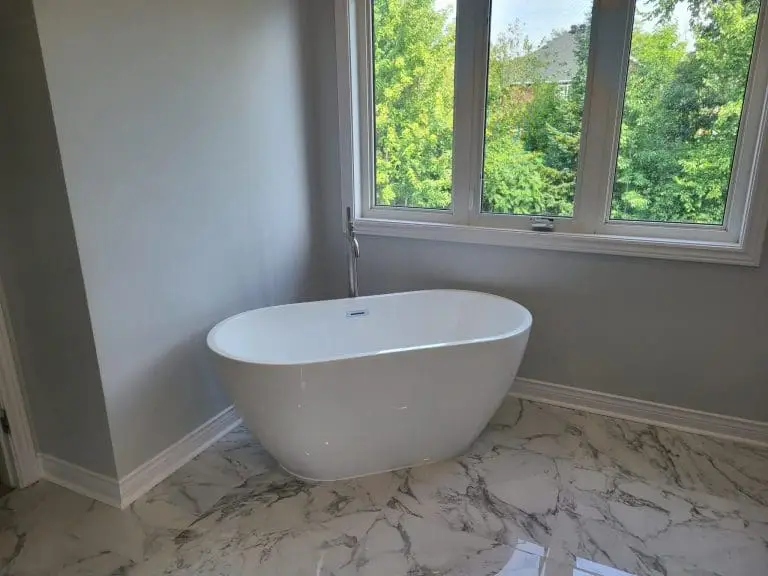
If you’re thinking about selling your home, there are a few things you can do to increase its value and make it more appealing to buyers. By making some strategic home improvements, you can recoup your investment and even turn a profit. Here are seven home improvements that will help you sell your home for top dollar. 1. Kitchen Remodel A kitchen remodel is one of the most effective ways to increase your home’s value. A well-designed kitchen with high-end appliances and finishes will appeal to buyers and help you fetch a higher price. Even if you don’t have the budget for a complete gut renovation, making smaller changes like painting the cabinets, installing new countertops, or upgrading the lighting can make a big difference. Beyond the visual appeal, kitchens with convenient layouts will catch the eye of buyers, especially if they enjoy preparing their own meals. Add-ons like islands, cabinets, and open shelves provide more options for storage space, which is great for buyers with lots of cooking utensils and appliances. The positioning also matters here, as you’ll want to ensure you have everything you need to cook a meal right in front of you. If you have to make six 180s just to put together a grilled cheese sandwich, opting for a more practical layout will generate more interest from home buyers – not to mention it will make your life easier before you sell. It is possible to go a bit overboard with upgrading your kitchen, which may end up having the opposite effect than you intended. If you go with a mega-sized refrigerator and top-tier garbage disposal, the cost may rise higher than most buyers are willing to pay (of course, this is entirely up to you, as if you do find a buyer, you’ll end up selling your home for more). Your best bet to get the most bang for your buck is to renovate your kitchen with high-end appliances, cheery lighting, and an optimized design to make preparing meals a breeze. 2. Bathroom Remodel Like the kitchen, bathrooms are another important selling point for potential buyers. A bathroom remodel can be relatively simple and inexpensive, but it will make a big impact on buyers. If your bathroom is outdated or in need of repairs, consider renovating it before putting your home on the market. Above all else, bathrooms should feel clean and pleasant. Sometimes, a refresh is all a bathroom needs. What’s that? A bathroom refresh is where you make several essential touch-ups to reinvigorate your bathroom. This includes things like a fresh coat of paint, a new vanity or mirror, and replacing busted towel racks. Other times, a more extensive renovation is necessary to make your bathrooms attractive to the market. The lighting in your bathroom can make a huge difference to some buyers, especially those that enjoy unwinding by soaking in a dimly lit tub. Adding a light dimmer is always a good idea, as is experimenting with different lighting combinations. If your bathrooms are tinier than a broom closet, adding more space with an addition or by moving around your sink and tub will help boost their appeal. While a tiny bathroom in connecting areas is fine, it’s better to have larger bathrooms in major areas, especially the master bedroom. Home buyers won’t like to see older-style toilets, so you should update them if they’re ancient. That’s because older toilets waste much more water, leading to a larger bill. Modern toilets are more efficient and save water, so it’s always wise to retrofit your bathrooms. 3. Finished basement A finished basement is a great way to add extra living space to your home without having to build an addition. If your basement is currently unfinished, consider finishing it with drywall, flooring, and lighting fixtures. You could also add a bathroom or wet bar to make it even more appealing to buyers. An unfinished basement is wasted potential, as it’s part of your home’s square footage that you aren’t using. After all, you have to pay 100% of your mortgage, so why not use 100% of the space you have available? The best part is you can essentially add a brand-new room to your home without having to construct an addition. Would-be homeowners want to see your basement put to good use, and you have so many options. You could transform your basement into a kid’s playroom, a guest suite, a movie theater, or even a second living room. New homeowners love guest rooms, and having one will instantly make your home more valuable. There’s another benefit to transforming your basement into an extra bedroom besides increasing your property value – as it can generate passive income for you. By renting out your basement bedroom on platforms like Airbnb, your spare bedroom can make money for you before it’s time to pack up and sell your house. That’s not to mention that basements also make excellent wine cellars, man caves, and libraries. Not only will finishing your basement make your property value skyrocket, but it will also provide you with a great new space to enjoy in the time before you sell. If your basement is really exciting and attention-grabbing, you may start an all-out bidding war – which is 100x better than home buyers deciding without taking a second thought to skip on your property due to an unfinished basement. 4. Deck or Patio More home improvements…If your home doesn’t have an outdoor living space, now is the time to create one. Adding a deck or patio is a great way to add extra square footage to your home and make it more enjoyable for entertaining guests. And since many buyers place a premium on homes with outdoor living spaces, you’re likely to see a return on your investment when you sell. There are many ways to create an exciting outdoor space with your new patio or deck – and they don’t all involve going

Water Damage in Ottawa? Your Essential Guide to Repair
Did your home incur significant water damage in Ottawa? If so, it’s crucial to act fast – as wet surfaces and materials start to form mold and other severe issues after only 24 hours. As such, you’ll want to assess your damages and begin repairs as soon as possible. If the damage is severe and beyond your scope, don’t hesitate to call our highly trained and experienced team at 613-727-9427, and we’ll hop on your repairs immediately. If the damage is minimal, you may want to know if you can handle the repairs yourself. In that case, you’ve come to the right place – as we’ve prepared an extensive guide to repair water damage in Ottawa. Even if you haven’t experienced water damage in your home, it’s still beneficial to know how to deal with it properly should it occur. There’s quite a bit to know about water damage, and making the wrong move could spell disaster. Conversely, making the right decisions early on will go a long way toward restoring your home to its original state at a reasonable cost. Read on to learn the best practices involved with proper water damage repair. Along the way, we’ll cover: The three different types of water damage Mold inspection tips How to dry everything out What to throw away and what’s safe to keep Restoring and replacing drywall and siding Painting and caulking Knowing when to hire professionals Without further ado, here’s everything you need to know about repairing water damage in Ottawa. Is it Clean, Gray, or Black Water? The Three Types of Water Damage First things first, you need to determine which type of water has contaminated your home. If that sentence makes you scratch your head, you should know that not all water damage is the same. In particular, there are three types of water damage, each with varying degrees of severity. We didn’t just make this up, either. These are official rankings from the Institute of Inspection, Cleaning, and Restoration Certification (IICRC). They are: Clean water Gray water Black water Each has unique requirements for how you approach repairs, so let’s take a closer look at them. Dealing with Clean Water Damage The first and most accessible type of water damage to repair is from clean water – which is the least severe of the three, according to the IICRC. While it may seem nonsensical to refer to water flooding your home as ‘clean,’ it’s more about it being free of raw sewage and toxins, which will wreak even more havoc on your home and belongings. Clean water comes from: Busted pipes Sinks Bathtubs Water supply lines Rain As you can see, these are all ‘clean’ sources of water that don’t contain excessive toxins or raw sewage. As such, this type of water is the easiest to dry up and repair without causing too much lasting damage. If you have clean water damage in Ottawa, you should be able to repair it by yourself relatively quickly. Of course, it will also depend on how much clean water damage your home has incurred. Repairs should be straightforward and pain-free if there’s only an inch or two of water on the ground. Dealing with Gray Water Damage Next on the IICRC severity scale is gray water – which is water that is slightly dirty or soiled – but not excessively. Gray water has more contaminants than clean water but still lacks raw sewage and severe contaminants. Gray water comes from: Toilets Washing machines Sump pump backups Dishwashers The waste and chemicals in gray water may or may not be directly harmful to humans, but it’s crucial to thoroughly disinfect your home to ensure the contaminants don’t cause problems down the line. You may also need to wear safety gear while repairing gray water damage to protect yourself from hazardous toxins (especially if the gray water came from a sump pump backup). At this point, you can still opt to handle the repairs yourself, but we recommend that you leave it to professionals like our team at RenosGroup. That’s because we’re well versed in cleaning/removing contaminated materials from bathrooms, kitchens, and basements to ensure that we restore your home to its original glory. Dealing with Black Water Damage Black water is the most severe on the IICRC scale, and for a good reason. Black water contains raw sewage and hazardous toxins that are extremely dangerous. You should by NO MEANS attempt to repair black water damage in Ottawa by yourself. That’s because black water can cause severe health complications if you aren’t wearing the proper safety gear/taking the necessary precautions. The last thing you want is to have to contend with a life-threatening illness while your home is flooded, which is why you should ALWAYS call us at RenosGroup to repair black water damage. How do you know if your home is contaminated with black water? Here’s where black water comes from: Sewers Rising flood waters Seawater River water If your home gets flooded by a sewer overflow or rising river waters, you need to contact professionals for cleanup as soon as possible. Black water contains bacteria, human waste, and other serious contaminants – so your home will need to undergo extensive disinfecting before returning to normal. Your Repair Guide for Water Damage in Ottawa Now that you know about the three types of water damage, it’s time to learn how to repair damage from clean water and gray water. If you suspect the gray water has bacteria or contaminants in it, you should contact professionals for repairs. Yet, if it’s simply some water from a busted toilet, you should be able to handle it by yourself. Like anything else, there’s a right and wrong way to go about repairing water damage, which is why we’ve prepared this guide containing a step-by-step process for getting rid of water damage in Ottawa. Step #1: Inspect for Serious Issues Your first step should be to assess the damage as
Creating the Perfect In-Law or Guest Suite Basement
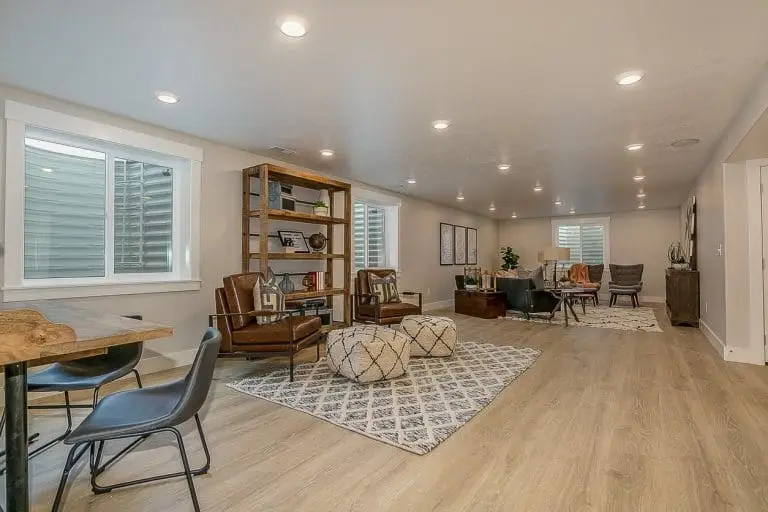
Whether crafting a basement suite for guests or to host in-laws, achieving the ideal basement renovations for Ottawa families demands a thoughtful plan. Ensure comfort and functionality as you transform the space to meet your unique needs. For guest suite basements, sometimes a good place to start is to look at hotel suites or even retirement home layouts, as they share some distinct similarities, such as: A Living Space The majority of the basement should be open for a comfortable living space. It’s essential to consider the needs of your guests occupying the suite. That will help create a living space that they enjoy and appreciate. If you’re creating an in-law suite in Ottawa, what do they usually like to do? If they’re into movies, including a TV and a sofa is a good idea. If they prefer reading instead, some recliners with ample lighting are the way to go. Conversely, if you’re designing a granny suite – mobility and accessibility are concerns. You’ll want to make sure the living space contains no trip hazards or items too far out of reach. You’ll also want to consider building code requirements, ceiling heights, insulation, and more. These will all play a part in your renovations, so it’s crucial not to ignore them. (More on regulations and insulation in a bit.) From there, you can then determine if a kitchen is realistic. Kitchen/Kitchenette If the space allows, a kitchen is ideal as it will give guests or in-laws complete independence. If you’re limited on space, you may be able to squeeze in a kitchenette. A refrigerator and microwave are all you need for your suite most of the time. After all, that’s what most hotel suites include as a kitchenette. If you have more space, you can go for a full kitchen. That means an oven, stove, counter space, and possibly more. If your in-laws/parents enjoy cooking, they’ll appreciate having a kitchen to use. That way, they can prepare their own meals if they prefer not to bother you upstairs. Common appliances for kitchenettes include: Mini-fridge Coffee maker Teapot Hot plate Microwave Sink Toaster Larger appliances such as an oven will require a special outlet, so bear that in mind. Ultimately, it will all depend on the amount of space you can dedicate to a cooking area. If you want to add extra storage space to the kitchenette, think vertically. If you don’t have room for an island or counter – you can add shelving above (or below) the kitchenette. If you have elderly parents, it’s a better idea to include the shelving beneath rather than above. Built-ins Built-ins are a great idea as they can take the place of furniture that might be cumbersome and use up much-needed floor space. You can use built-ins in a buffet style with a sink and built-in microwave and bar fridge if there is no space for a kitchen. A fold-down dining table can also be added for eating as well as recreation. You can also use built-ins around a fireplace or desk space providing shelves for needed storage. Built-ins can be used to hold decorative items or to store collections of movies. When renovating your basement, you’ll have plenty of opportunities to add built-ins. Try to keep a keen eye open when analyzing your basement space. Could you add a built-in dining table that folds down from the wall? Or would it be better to add a built-in bookshelf for all your in-laws’ books? You can create built-in benches that attach to the walls to add more seating. That can add extra seating for a dining room table or just for general lounging/reading. The catch of a built-in is that you’ll be stuck with it for life. As such, you need to put plenty of time and thought into what you want from a built-in. The last thing you want is to get stuck with a built-in that has no function and is an eye-sore. Sleeping Area If space for a door swing is not practical, you can consider a number of options for privacy in the sleeping area. Pocket or sliding doors offer privacy and take up less space. You can also consider using partition walls for separation. If the light is sparse and the bedroom area is near one of the only windows consider using frosted glass partitions so you do not block out the needed natural light. Whether it’s an in-law suite or granny suite in Ottawa, they’ll need a place to sleep. It’s wise to consult with them beforehand to learn what they prefer bed-wise. Do they sleep best on memory foam-style mattresses? Or can they not sleep a wink unless they’re in total darkness on a water bed? Once you know their needs, you can begin constructing the sleeping area. The good thing about a basement is that it stays nice and dark. Yet, that might not be very comforting for some. The lighting plays a big part in the construction of any sleeping area. If your in-laws don’t like total darkness, night lights or lights with dimmers are what you need. If you don’t want to use an open floor plan – you’ll need to find a way to separate the sleeping area from the living space. Besides partition walls, rugs are a reliable way to separate each area visually. Bathroom Especially in the case of an in-law suite you want to consider the mobility of your parents. This will play an important role in the type of shower or tub you choose. A good compromise is to add a shower stall with a bench and handheld showerhead so it is easy to bathe, but can also then be used by other family members or guests should your in-laws move. Every in-law suite in Ottawa needs a bathroom. That’s doubly true if you’re designing a granny suite. Elderly parents often have mobility issues that you need to take into account. If they have trouble reaching things in
Basement Renovation Costs to Be Sure to Expect
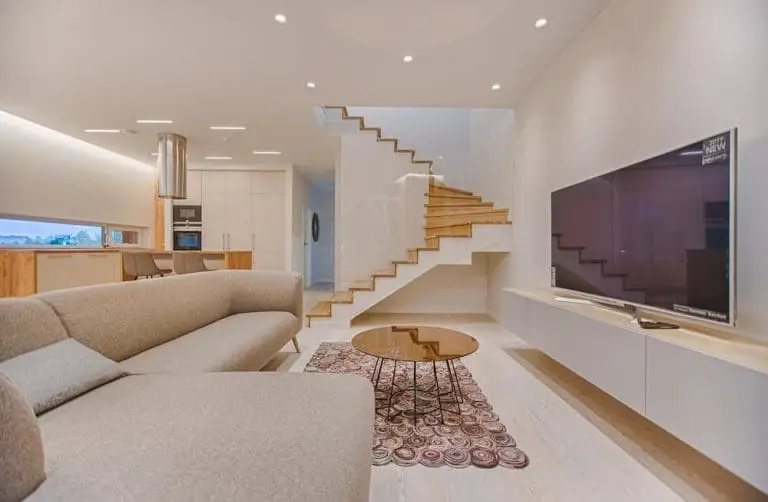
Renovating your basement can be a daunting task, and can come with some unexpected costs. It’s all too common to find that a crack in the wall or foundation may require a costly external sealing project or drain installation, or that the best way to open up that dark space would be to cut a window or patio door into the basement wall. Thankfully, basement renovations can be one of the more economical ways to add value to your home, and the already-present space provided by your basement can make it a viable option for many renovation designs. In order to avoid the burden of unexpected costs or do-overs in your renovation project, it’s best to be prepared for the different expenses you may face, and what you can do upfront to avoid renovations. Here are a few basement renovation cost factors to consider. Humidity levels Before designing the layout of your basement, it’s crucial that the basement be properly sealed to prevent excess moisture from infiltrating through cracks in the walls or foundation. Otherwise, you may end up with a newly renovated basement only to find that it will have to be refinished due to humidity or mold damage. The cost of properly sealing your basement can vary depending on the severity of moisture infiltration, with minor dampness only requiring a coating of sealant on the walls, while more serious moisture issues may require the installation of a drainage system or external sealing. Most sealing projects cost an average of $4,334, with minor leaking issues costing little more than $600 to more serious infiltration problems requiring a drainage system installation costing $10,000 or more. Be sure to consult your contractor to make sure your basement is well-heated and guarded from any excess moisture. Layout Once you’ve made sure that your basement is properly ventilated and sealed to prevent moisture damage, you can begin making this space your own. The more elaborate you choose to make your basement, the greater the cost will be, but here are a few options some of our clients have gone with to transform their basement into the living space of their dreams. apartment for a parent or relative homework station for the kids office space for working from home man-cave for watching the big game recreation room for catching up with friends Many families opt to install a bathroom into their basement, or may have one already and would like to remodel that too. Doing so can be more expensive due to the need for pipes to be run through the home’s foundation, but can still be more economical than adding a bathroom to an upstairs unit, with average basement bathroom renovations ranging from $20,000-$25,000 and main floor renovations spanning $18,000-$30,000 (bathroom renovation costs). Basic renovation designs for living spaces alone will certainly be less expensive than ornate add-ons like fitness centers or wine cellars, but because of the versatility as a living space that your basement provides, your options for renovation are limited by little more than your imagination and your budget. Material Selection Now that you’ve decide what to include in your renovated basement, you’ll now want to get down to the particulars: color scheme, lighting fixtures, hardwood or carpet, etc. Here are three major categories you’ll need to factor in for your budget, and how to to plan for them. Flooring – Carpet can be helpful for muffling noise and giving a softer surface if children will be using the space, but is more likely to soak up moisture, which can lead to mold. The resistance of hardwood to moisture infiltration coupled with its more luxurious look typically make it the flooring material of choice, even though it may come with a higher price tag at approximately $10+/sq.ft. Ceilings and windows – There are 3 primary ceiling styles that most renovators choose: gypsum, suspended, and architectural, with prices averaging $2-$3, $5, and $7+ per square foot, respectively. To increase overhead spaciousness and reduce any claustrophobic feel, consider leaving some piping exposed to make for higher ceiling space. Windows and patio doors are other great options for improving upon natural lighting in a basement structure, but cutting into basement walls to add them can cost upwards of $2,000 – and of course, it would need to be accessible as an emergency exit. Paint – Sealants and paint coatings are frequently priced according to the size of the basement. While square footage and the quantity of paint used are usually the determining parameters for the cost of a paint job, we’ve found that the average cost ranges from about $1,000-$1,600 With so many different parameters to consider, basement renovation costs can vary greatly. Overall, we’ve found that most homeowners spend an average of $35,000-$85,000 on their basement makeovers, or $45-$85/sq.ft. More creative renovation projects such as wine cellars or walk-out basements may cost substantially more, but the versatility and availability of your basement makes it a blank canvas to turn your home into the living space of your dreams. Just account for the preliminary steps of sealing it properly, make use of inspirational basement galleries to get a vision for the kind of layout you want, and choose your renovation materials, and you’ll have a clear picture of what it will take to make your basement renovation a reality! To get in touch to schedule renovations, you can fill out an online form or give us a call at (613) 727-9427.
Considering Turning Your Basement Into a Rental Unit?
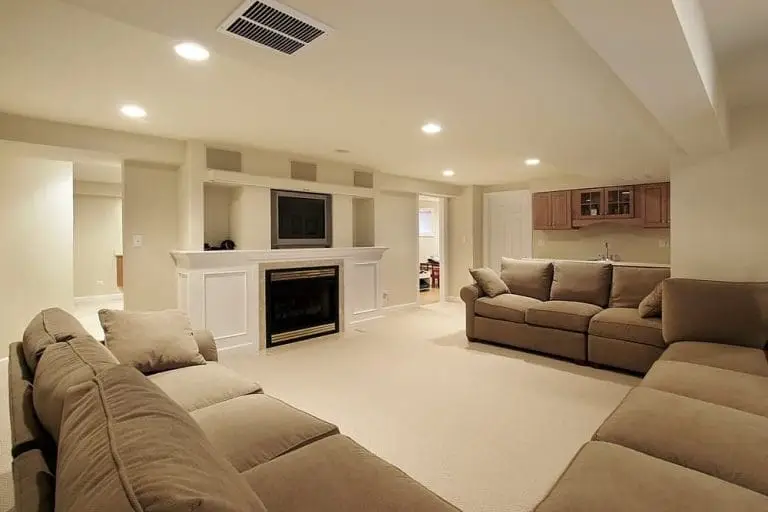
Considering Turning Your Basement Into a Rental Unit? – If you’re looking for a way to make additional income, why not consider turning your basement into a rental unit? With enough square footage and a few basement renovations, you could get back your initial investment and continue to have extra money to use as you need it. Even if you decide that the rental option isn’t the right fit for you down the road, you can still use it to house an aging parent, your eldest child or even use it as your home office. Before jumping into this project, here are some key factors to think about first. Make Sure It’s Up to Code Make sure you take some time to research restrictions and bylaws to see what is legally required and allowed for renting out a basement unit. Different regions can impose different zoning laws and regulations. You’ll need to abide by these, as well as fire escape plans and other safety requirements. Knowing about these prior to beginning can save you a lot of time, money and aggravation in the future. Consider the Cost Versus Your Budget Any home renovation in Ottawa can quickly add up if you’re not careful. To avoid overspending beyond your means, it’s important to have a clear understanding of what your basement will need, how much the project will cost and what your budget is. The cost for remodelling the basement can vary quite a bit. This will largely depend on the current condition of your basement and whether it will need a bathroom, kitchen and other essentials installed. Keep in mind that the average ROI for a finished basement is approximately 70%. So if you ever plan on selling your home in the future, you will be able to recoup a significant amount of that investment in your property value. Talk to a Contractor Once you have an idea of what you’ll need and how much you can spend, it’s time to consult with a contractor. They will be able to guide you through the planning phase, all the way to completing the project. During your consultation, they will help to outline the crucial components, such as the exterior entrance, creating a functional layout, installing independent heating and cooling if necessary, plumbing and electrical systems, and adding proper insulation, waterproofing and more. This will give you a better scope of the renovation before diving into it. Perform Due Diligence Before Hiring Taking on a basement renovation in Ottawa is a hefty job, and it’s one that you want to ensure is done right. That’s why we recommend doing your due diligence before choosing who to hire. Look for a contractor with ample experience, excellent reviews and a solid reputation for delivering quality work on a timeframe that was agreed upon. A well-established and reputable contractor will be able to thoroughly listen to your needs, offer sound advice and work within the quoted timeline and budget that was agreed upon. Plan Out the Timeframe Basement renovations can also vary in their timeframe. This will of course, largely weigh on how much work the unit will need to get it ready and up to code. Make sure you discuss the timeframe with your contractor so you can prepare and make any necessary arrangements so that renovation doesn’t interfere with your regular schedule. In general, you should expect a basement reno to take at least ten days if it’s mostly finished and requires minor remodelling. However, if a separate entrance needs to be installed, along with plumbing and insulation, you could be looking at five to six weeks. Compare to Other Rental Units in Your Area It can be helpful to search for other rental units in your area to see what they look like, what they are offering or include, and how much they are charging. You can also get some inspiration for your design and layout, learn how to be strategic with limited space or gain some insight into what’s available and what you will be competing with when looking for tenants. Give Us a Call! If you want to transform your basement in Ottawa into a rental unit, contact our team at the Renosgroup.ca. We have been helping homeowners across the city with renovations for every area of the home, including the basement. We take pride in delivering high-quality work and professional, transparent advice. We will always be upfront and honest to help our customers make informed and confident decisions for any home renovation in Ottawa. If you have questions, concerns or need any advice on your basement project, feel free to contact us! Our team is happy to help.
Basement Renovations Are Often Overlooked
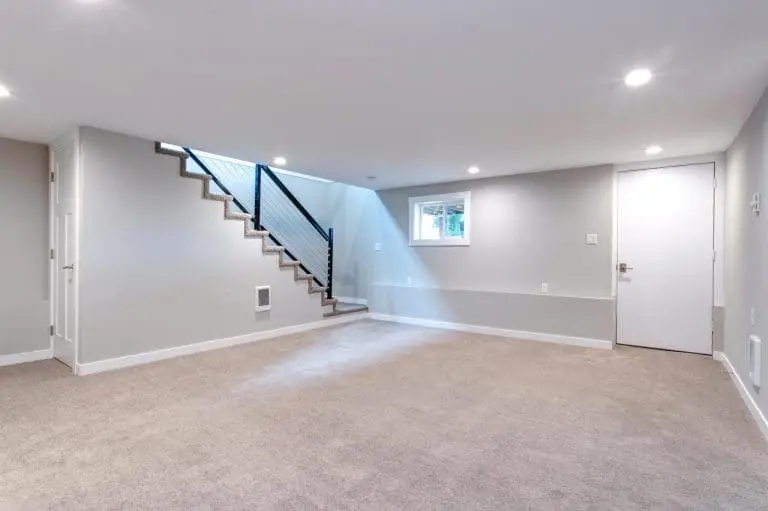
Many homeowners often leave their basements unfinished, or use them for storage rather than functionality. Even though basement renovations are often overlooked, the potential to make an incredible basement living space is always there. Whether you’re looking for a fun kid friendly space, a place to entertain friends, a man cave or organized storage, RenosGroup.ca can help make all of your basement renovation ideas become a reality. Anyone Can Offer a Free Quote Over the Phone Each basement renovation presents unique challenges; after all, each of us has a personal vision for our home. Embracing your vision is the key to giving you a successful basement renovation. This cannot be captured in a phone call or email. What you need is a free consultation. Upon your request our designers will meet with you to determine your needs and specifications. Working with you, we’ll create a design plan to ensure the proper use of space in the area to be renovated. Our contracts are written out in layman’s terms, free of industry jargon. This way you’ll be able to understand your renovation contract and be protected against hidden escape clauses. Trust the Professionals Although you may think to try a basement renovation as a weekend DIY project, we do not recommend it. Some jobs are certainly meant to be done by professionals and basement renovations are one of them. If you attempt a basement renovation by yourself, unknown problems, expenses and safety hazards could occur. It is our job to design, plan and execute the entire renovation ensuring all aspects are covered and taken care of in a professional manner. Creating the Perfect Basement You may have a type of basement living space in mind; however there is a lot more to a renovation than a simple idea. The concept is the first step, and consulting a basement renovation professional is always a good idea as they can help you envision and utilize the space to the fullest. Cheaper Isn’t Always Better Many independent contractors simply can’t perform the quality work they continually boast about. Instead they offer cheaper services, which is not usually the best option. Hiring a professional team of renovators will protect you and your home from unexpected complications. The RenosGroup.ca team of experts has the knowledge and experience to handle any situation onsite as they may arise. You won’t have to wait three days for the plumber to show up, or worry about carpenter fixing your electrical wiring Please don’t wait to give us a call at (613) 727-9427 to get the ball rolling. You can also use this form to request a free in-home consultation and estimate.
Are you running out of space in your current home, but love the location?
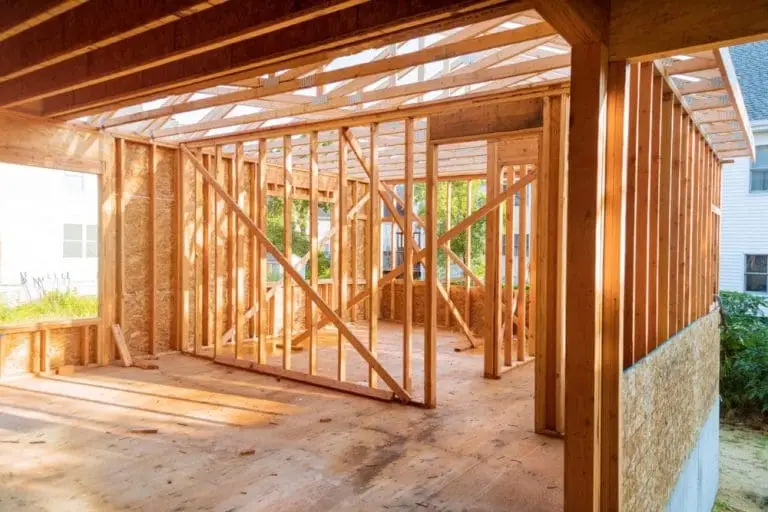
Are you running out of space in your current home? If so, you deserve a stunning home addition built by the professionals. A home addition is a major undertaking. Whether you’re planning a bump-out, converting a sunroom or garage, or adding a second story to your home, there are a lot of moving parts. It’s definitely not a DIY project, and even trusting your home addition to an unqualified jack-of-all-trades contractor would result in huge disappointment. Trust the professionals to build your home addition right at every stage of the process. For the best results, trust a professional home addition company to put their experience and knowledge to work for you. It all starts with meeting you to determine your needs. No two home additions are alike, and you deserve a home addition that is built to match the specific needs of your family. We’ll sit down and meet with you in person to discuss your exact needs. What are your space needs for the present and into the future? How can your home be made more functional? What is your design taste? We’ll come up with design plans that fit within your budget and blend with the existing home. Once we have an idea of your needs and specifications, we’ll provide you with a no-obligation quote. We write our contracts in layman’s terms so you have a clear understanding of the scope of work and exactly what you’re paying for. We don’t stuff our contracts with industry jargon designed to cloak hidden fees and tricky escape clauses – just clear and honest work. You should be skeptical about contractors who claim to offer quality work at unbeatable prices – something doesn’t add up. Either the price you end up paying won’t be as promised, or the quality of work will be a huge disappointment. Just because it’s cheap, doesn’t mean it’s a deal! Home additions are very complicated projects. You’re not just installing drywall or slapping on a new coat of paint, you’re fundamentally changing the structure of the home. Our construction accounts for absolutely everything, from the soil type to the weight of the foundation to the interior finishes. We believe in the importance of both form and function. Your home addition should solve a problem and address your needs, while also looking beautiful and blending smoothly with the existing home. You can probably imagine the problems that are associated with poorly planned home additions – shabby finishes, inefficient heating, a cracked foundation, roof leaks – the list goes on. Even projects that look good on the surface can turn into disasters just a couple years down the road if the builders didn’t take proper measures and care during constructions. Our home addition projects are executed with attentiveness and diligence to make sure you get a dream addition to your home, not a nightmare. Creating the Perfect Home Addition “Home Additions” are a big category, and the perfect home addition varies by family. We can convert a sunroom into a gorgeous great room, ideal for entertaining and hanging out with family and friends. Our talented crew can create a second story addition with a stunning master bedroom retreat, complete with a spacious walk-in closet and relaxing en-suite master bath. We can construct a bump-out off the back of the home to house a contemporary kitchen with beautiful custom cabinetry. We can create a main floor living space designed for a person with mobility limitations. Or we can expand dormers to create an additional bedroom upstairs to make room for your growing family. No matter the project, we are proud to design and build the perfect home addition for you and your family. Making us even more tempting is our online product showroom. Though we don’t sell any products these pages can help with your product selections while your in your own home. We even have our own interior designer to help you match colours and fixtures bringing out the warmth and comfort you want your home to exude. Design work does come with extra fees, but well worth it when it comes to the final look of the finished product If you are ready to transform your home with a perfect home addition, contact us, or give us a call at (613)727-9427 today to find out why RenosGroup.ca is the right choice. Call or email us today to schedule a free in-home consultation and get the process started.