Why We Don’t Think Wood Subfloors Are a Good Idea for Kitchens and Bathrooms

Wood Subfloors Aren't a Good Idea for Kitchens and Bathrooms

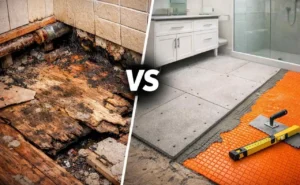
We at RenosGroup.ca believe in a “foundation-first” approach to home renovation.  The subfloor is the most important part of a kitchen or bathroom project, not the cabinetry, backsplash, or hardware. One of the most frequently asked questions we receive is whether homeowners can simply use plywood or OSB (Oriented Strand Board) as a subfloor in these wet areas. While wood is a staple of residential construction, it is fundamentally ill-suited for the unique environment of a kitchen or bathroom. Here is an educational look at why we recommend moisture-stable alternatives and why avoiding wood subfloors is essential for the longevity of your home. 1. The Science of Wood and Moisture To understand why wood fails in wet zones, we have to look at its biological composition. Wood is an organic, “living” material. Even after it has been kiln-dried and processed into construction-grade sheets, it remains hygroscopic. This means it will always try to balance the amount of moisture in the air around it. The Cycle of Expansion and Contraction Wood is pretty stable in a dry place, like a hallway or bedroom. However, bathrooms and kitchens are subject to constant fluctuations in humidity and direct liquid exposure. Expansion: When wood absorbs water—whether from a steamy shower, a mopping bucket, or a dishwasher leak—the cellulose fibers swell. Contraction: As the wood dries, it shrinks back down. This movement poses a significant challenge to a high-quality renovation. Most modern kitchen and bathroom floors utilize tile, stone, or luxury vinyl. These materials (and the grout or adhesives holding them) are rigid. When the subfloor beneath them is constantly expanding and contracting, it creates mechanical stress. Over time, this stress shows up as cracked grout lines, tiles that have “popped” or come loose, and even cracks in the tiles themselves. Explore top flooring trends for stable kitchen and bathroom surfaces here 2. The Threat of Structural Rot and Mold The primary danger of using wood in wet areas isn’t just that it moves; it’s that it decays. Wood is organic matter, which means it provides a food source for fungi and mold. The “Sandwich” Effect In a normal renovation, a finished floor, like tile or vinyl, is put on top of the subfloor. These finishing materials are usually water-resistant or waterproof. These finish materials are often waterproof or water-resistant. If water finds its way through a failed silicone bead around a bathtub or a minor leak under a kitchen sink, it becomes trapped between the finished floor and the wood subfloor. Without airflow, the moisture has nowhere to go. This creates a “sandwich” of dampness. In our professional experience at RenosGroup.ca, we have seen countless instances where the top of a tile floor looks perfectly fine, but the wood subfloor beneath it has turned into a soft, pulpy mass. This is called “dry rot,” but it needs moisture to start. When rot starts, it weakens the structure of the floor, which can cause it to sag and make it dangerous to use heavy appliances or bathtubs. Air Quality and Health In addition to structural problems, wet wood subfloors are a perfect place for mold to grow. Mold can grow on the subfloor without anyone knowing it for years. The spores eventually make their way into the air in the home, where they could cause breathing problems and allergic reactions. Using an inorganic subfloor gets rid of the food that mold needs to grow. Learn how to prevent mold after your bathroom renovation here 3. The Specific Problem with OSB and Plywood Not all wood subfloors are the same, but both common types have their problems when they get wet: OSB (Oriented Strand Board): This type of board is made of wax and resin that hold together compressed wood flakes. While it is strong, it is particularly susceptible to “edge swelling.” If the edges of an OSB sheet get wet, they expand and often stay expanded even after they dry. This creates an uneven floor surface that will be visible through your new flooring. Plywood: Plywood consists of thin layers of wood glued together in alternating directions. While more stable than OSB, it is prone to delamination. If moisture stays trapped in the layers, the glue fails, and the layers peel apart, causing the floor to lose its load-bearing capacity.   4. Professional Alternatives: What We Use at RenosGroup.ca As professionals, we prioritize the use of materials specifically engineered for the task at hand. In kitchens and bathrooms, we move away from organic wood and toward inorganic, moisture-stable products. Cement Backer Boards (CBU) Materials such as HardieBacker or Durock are the industry standard for a reason. These boards are made of cement, sand, and glass-fiber mesh. Why they work: They are 100% inorganic. If they get wet, they resist rot and swelling and prevent mold growth. They provide a perfectly rigid, flat surface that is ideal for thin-set mortar and tile. Uncoupling Membranes (Schluter-DITRA) In high-end renovations, we often utilize uncoupling membranes. These are polyethylene (plastic) mats with a specific grid structure. Waterproofing: They act as a total vapor and water barrier. Movement Management: They allow the subfloor and the tile to move independently. The membrane “uncouples” the movement from the tile, which stops cracks from happening. This condition happens when the house settles or the joists move slightly. New Composite Boards Magnesium Oxide (MgO) boards and other new technologies work even better. They are lighter than cement board, but they are just as resistant to water and fire, making them a better base for any kitchen or bathroom design. See our dream kitchen renovation plans using moisture-proof materials 5. Long-Term Value and ROI We understand that choosing specialized subflooring materials adds a small cost to the initial budget. However, we always educate our clients on the “Cost of Failure.” Installing a proper, moisture-stable subfloor is significantly less expensive than a “rip-out.” If a wood subfloor fails due to a leak five years from now, you aren’t just paying to fix the subfloor; you

Ottawa Home Renovations in 2026 | Smarter Planning for Long Term Living

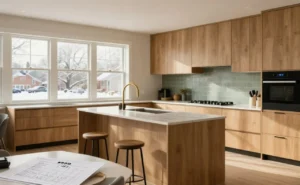
2026 Ottawa kitchen renovation featuring warm wood cabinets, multi-functional island with smart storage, and seamless office integration for long-term living

Renovation priorities are shifting in 2026, especially for homeowners in Ottawa. Rising construction costs, an aging housing stock, and shifting lifestyles are prompting people to think more carefully before undertaking renovations. Bigger homes are no longer the automatic goal. Most projects these days are about making layouts smarter, making things last longer, and being flexible. This change is especially clear in Ottawa. Many homes were built many years ago and aren’t suitable for today’s needs. People are staying in their homes longer, working from home more often, and planning renovations that will still make sense years from now. This article talks about how renovations in Ottawa will be different in 2026 and what homeowners should think about before starting a project. Renovating for real life, not resale checklists One clear change we see in 2026 is that people are planning renovations based on how they live their lives, not just how much the house will sell for. Most Ottawa homeowners we speak with are not renovating to sell next year. They are renovating because their home no longer works the way they need it to. That changes the conversation entirely. Instead of asking what is trending, homeowners are asking practical questions: Will this space still work if we work from home longer Can this layout adapt if our family changes Are we fixing real problems or just updating finishes Dining rooms are being repurposed. Spare bedrooms are becoming offices. Main floors are being adjusted to reduce stairs and improve flow. These changes are not flashy, but they make a noticeable difference day to day. Basement renovations built for flexibility Basement renovations continue to be one of the most practical upgrades in Ottawa, especially in 2026. Many homes already have basements that are underused or finished in a way that no longer makes sense. Instead of designing basements for a single purpose, homeowners are planning for flexibility. A basement might be a home office today, a guest space in a few years, and potentially a rental or family suite later on. That means layouts need to allow for change. Common priorities we see include: Sound control for work and privacy Proper insulation and moisture management Space planning that allows future separation Bathrooms designed to meet code from the start In Ottawa, basement renovations also require careful attention to permits and building requirements. Planning correctly upfront avoids delays and expensive changes later. Kitchens focused on layout and storage Kitchen renovations in 2026 are less about showpiece design and more about usability. Many older Ottawa homes have kitchens with awkward layouts, limited storage, or poor workflow. Instead of expanding the footprint, homeowners are choosing to improve what they already have. The most effective kitchen renovations usually focus on: Improving traffic flow Adding functional storage Choosing durable materials Upgrading lighting and ventilation Small changes, like repositioning appliances or reworking cabinetry, often have more impact than adding square footage. From a cost standpoint, this approach is also easier to control. Learn how Ottawa homeowners are improving kitchen layout and storage Bathrooms planned with the future in mind Bathroom renovations are changing as well. Even homeowners who do not currently need accessibility features are planning for them. Walk in showers, wider clearances, and reinforced walls are becoming standard in many renovations. In Ottawa, where many people plan to stay in their homes long term, this approach makes sense. Renovating once with future needs in mind is usually more cost effective than making reactive changes later. Trying to future proof everything at once can lead to overbuilding. The goal is balance, not excess. Home additions with clear purpose Homeowners are no longer just adding space for the sake of adding space; they want to know what problem the addition is actually solving. In 2026, additions are often made to meet certain needs, such as: Living on the main floor to cut down on the need for stairs In law or homes with more than one generation living there Areas set aside for working from home Well-planned additions fit in with the house and the neighborhood. This is especially important in Ottawa’s older neighborhoods where zoning and setbacks are important. Find out when a home addition makes sense for Ottawa homes Planning and budgeting for renovations in 2026 In 2026, homeowners are being more careful when planning renovations. People want fewer surprises, budgets are tighter, and expectations are clearer. Most of the time, the best projects start with honest talks about what is most important and what can be given up. What works best: Setting apart what you need and what you want Doing renovations in phases when needed Getting professionals involved early in the planning Leaving room for things you don’t know, especially in older homes Planning too quickly can cause stress later on. Rushed planning often leads to stress later. Spending more time upfront usually saves time and money overall. View recent renovation projects completed in Ottawa Sustainability that makes practical sense Sustainability in Ottawa renovations has become more practical and less about buzzwords. Homeowners are choosing upgrades that make their homes more comfortable and save them money in the long run, like better insulation, air sealing, and more efficient systems. Finishes that need to be replaced often are being replaced with materials that last a long time. These choices are important for Ottawa’s weather, and they are especially important for older homes. Why local renovation experience matters There are problems that come with renovating in Ottawa. All of these things are important: permits, inspections, older building methods, and neighborhood rules. Homeowners in 2026 value clear communication and experience more than ever. They want help from teams that know a lot about Ottawa homes and can help them make choices that will last. The look of the finished project isn’t the only thing that matters for a successful renovation. It’s about how the house works long after the dust has settled. Frequently Asked Questions About Ottawa Renovations in 2026 How much does a home renovation

Preparing Your Home for Winter: Ottawa Renovation Winter Tips for Comfort

Preparing Your Home for Winter: Ottawa Renovation Winter Tips for Comfort

The winters in Ottawa are legendary.  When the temperature drops and the wind chill makes it feel much colder, we’ve all experienced it.  The cost of maintaining a warm and cozy home can quickly become a significant concern, despite the beauty of the snowy scenery. If you live in Ottawa, getting ready for the cold involves more than just covering your outdoor furniture; it also entails making wise, long-term improvements that will increase your comfort level and save your energy costs.  The finest investment you can make in your home’s winter performance, in our opinion at RenosGroup.ca, is a well-done Ottawa makeover. This thorough handbook guides you through necessary restoration tasks that are tailored to the specific needs of the National Capital Region, from large overhauls to minor, strategic enhancements. Windows and Doors When you feel a draft near a window, you’re not just feeling cold air; you’re watching your heating dollars float right out of your house. Windows and doors are often the biggest culprits for heat loss in older Ottawa homes. Replacing Windows for Efficiency If your windows are single-pane, sticky, or visibly warped, replacement is one of the most impactful winter-readiness renovation tips. Modern windows offer significant improvements: Low-E glass coatings are tiny layers that reflect heat into your home in the winter and keep it out in the summer. This makes your home far more energy-efficient year-round. Filling with Argon or Krypton Gas: An inert gas (most often argon) fills the area between the glass panes. This gas is denser than air, which slows down heat transmission and makes the window even better at keeping heat in (U-factor). Better Frames: Look for vinyl or fiberglass frames that are strong and don’t expand or contract in very hot or freezing weather. This will keep the seal tight year after year. When planning your window renovation, consult a local expert to ensure you select windows rated for Ottawa’s extreme cold, often indicated by a high Energy Rating (ER). Learn more about efficient window standards Sealing and Replacing Exterior Doors While a new, insulated steel or fiberglass door is ideal, often the biggest problem lies in the seal. A successful door renovation often includes: Replacing the Weatherstripping: Over time, the flexible material around the door frame (weatherstripping) becomes brittle and fails. Replacing this is a fast, cost-effective project. Installing a Quality Door Sweep: The gap at the bottom of the door is a major air leak. A high-quality, adjustable door sweep can eliminate this. Adjusting the Hinges: Sometimes, a door simply sags over time. A quick adjustment can bring it back into alignment, ensuring it presses tightly against the weatherstripping. The Insulation Overhaul If windows are the first line of defense, insulation is the fortress wall. Many older Ottawa homes simply don’t have enough insulation to handle prolonged deep freezes. A strategic insulation renovation is critical for maintaining consistent interior temperatures and maximizing energy efficiency. Looking for warm, winter-inspired design ideas? Be inspired by our feature on Home Renovation Ottawa: Holiday Cozy Cabin Chic Attic Insulation: The Quickest ROI Heat rises, making the attic your home’s thermal weak point. If you have less than 18 inches of insulation, you are losing substantial heat. The current recommended standard for a new build in the Ottawa area is often around R-60 or higher [^2]. The Project: An attic insulation renovation is relatively straightforward: installing blown-in cellulose or fiberglass over your existing material. The Critical Step: Ventilation: Insulation must be paired with proper ventilation (soffit and ridge vents) to prevent moisture buildup and, crucially, to keep the roof deck cold. A cold roof prevents snow from melting and refreezing, which is the main cause of destructive ice dams, a common and expensive problem in Ottawa winters. Insulation standards reference: Insulation Wall Insulation: The Next-Level Upgrade Insulating existing exterior walls is a more involved home renovation, but it can dramatically change your home’s comfort level. Drill-and-Fill Method: For homes without wall insulation (common in pre-1950s construction), a contractor can drill small holes in the exterior siding or interior drywall and blow in insulation (foam or cellulose), sealing the holes afterward. Basement and Crawl Space Insulation If the floor is cold, it means that heat is escaping from underneath. If you have a finished basement, insulating the walls or crawl space can make a big difference for the ground floor of your home. Basement Walls: Rigid foam insulation boards (like XPS or polyiso) are frequently the best choice for basement walls because they keep moisture out and act as a vapor barrier. This is also important in places where the foundation is shaky. This process is a basic stage in any full basement restoration. Reference—Basement insulation guide: Maintaining Your Home – Basemen Heating Systems: Modernizing for Maximum Performance Your winter comfort is powered by your furnace. An aged system is naturally less effective and more likely to fail when you need it most, even though upkeep is essential. Installation of High-Efficiency Furnaces Think about getting a new furnace if yours is more than 15 years old. Contemporary high-efficiency versions (rated 92% AFUE or greater) use advanced heat exchangers to extract much more heat from the fuel they burn. This renovation project in Ottawa is significant but well worth the cost. Reference: Furnace standards Taking Up Heat Pumps Even in frigid weather, heat pumps are becoming more and more common in the Ottawa region. Even at temperatures considerably below freezing, contemporary cold-climate air source heat pumps are incredibly efficient and can serve as your primary source of heating and cooling. Through initiatives like the Canada Greener Homes Initiative (or similar provincial programs), this technology frequently qualifies for federal and provincial subsidies, which help manage the initial renovation costs. Zoning and Smart Thermostats Installing a smart thermostat is a more straightforward but efficient update. You can control these gadgets remotely, they can learn your routine, and they can automatically adjust the temperature when you’re not present. For bigger Ottawa houses, think about renovating your zoning

Creative & Affordable Kids’ Room Renovation Tips for 2025

Kids’ Room Renovation Tips for 2025

Renovating a child’s room doesn’t have to be costly or daunting. Smart, fashionable, and reasonably priced changes that develop with your child’s demands will take front stage in 2025. Little improvements can have a huge impact without breaking the budget, whether you’re transforming a nursery into a toddler-friendly environment or planning a useful study place for school-age children. From do-it-yourself décor ideas and space-saving furniture to environmentally friendly improvements and multifunctional designs, this book will enable you to construct a lively, pleasant, and useful home your child will love. Eager to make over their space? Let’s explore the top reasonably priced and imaginative Ottawa renovation ideas for 2025! Incorporating Trends for Ottawa Children’s Room Designs When thinking about renovation, one must be vigilant for new ideas on 2025 kids’ room design and current advancements. The following major trends will dominate children’s room makeovers throughout the next year: Major themes influencing children’s room renovations next year will be: Multi-Use Spaces: The children’s bedroom is today much more than just a place to sleep. The most recent designs mix study nooks with bedrooms with play areas and mini-lounges. Interior space is decorated to put the great outdoors in line with hot new trends. Among the choices are natural theme wallpaper, earthy colours, and floral patterns. Using transformable objects like fold-up study tables, bunk beds, and movable bookcases creates versatile space. Custom murals, name plaquing, and specially designed furniture let kids highlight their features. Cost-effective renovation techniques It is not necessary to spend a fortune redecorating your child’s room. Consider these reasonably low-cost options for the 2025 renovation of children’s rooms. Rather than shopping for new furniture, think about upholstery, fresh paint, or other adjustments to old furniture. Little personal accents, from hand-painted wall art to do-it-yourself bookcases, may brighten a room without compromising the budget. Store Local for Bargains Ottawa has some thrift stores and furniture businesses where one could discover moderately priced yet really lovely pieces. component of flexible design: Use modular storage ideas, peel-and-stick decals, and removable wallpaper as your youngster grows. Invest in LED lights and smart bulbs to save energy and create a tailored ambiance. Prioritizing functionality and safety. When creating a child’s room, safety and practicality should come first. Here’s how you strike a balance between looks and functionality: Non-Toxic Materials: To promote a healthy environment, use low-VOC paints, organic fabrics, and eco-friendly furniture. Storage Solutions: Use under-bed storage, wall-mounted organizers, and multi-purpose furniture to keep the room organized. Childproofing: To prevent accidents, install corner guards, tie heavy furniture to the walls, and use slip-resistant rugs. Proper ventilation: Use ceiling fans, air purifiers, or openable windows to create a fresh and comfortable environment. Sustainable and Eco-Friendly Upgrades With rising environmental awareness, eco-friendly kids’ room makeovers in Ottawa 2025 are becoming more fashionable. Consider the following sustainable upgrades: Choose desks, beds, and shelves built from recycled or responsibly obtained wood. Organic Beddings & Mattresses: Search for materials like organic cotton and bamboo for a good night’s sleep. Double-glazed windows allow to control room temperature, therefore reducing energy costs. Recycled décor includes refurbished photo frames or used jars for storage or décor. Snake plants, peace lilies, or spider plants will naturally accentuate greenery and indoor plants to help to enhance air quality. The Power of Colors and Themes A child’s room should be reflective of their personality and hobbies. Whether kids enjoy superheroes, outer space, or fairy tales, selecting the correct theme can have a significant influence. Here’s how. Colors: Soft blues and greens induce relaxation, but bright yellows and oranges increase vitality and creativity. Wall Murals & Decals: Removable decals can be easily updated as interests change. Themed Bed Frames and Accessories: Matching bedding, curtains, and rugs may easily tie the entire theme together. Interactive Elements: Chalkboard walls, magnetic boards, and climbing frames can help to make the room more interesting. Making the Most of Small Spaces. Not every family has the luxury of a large children’s room, but even modest spaces can be transformed into attractive, functional areas. Here’s how. Vertical Storage: Use wall-mounted shelving and lofted mattresses to free up floor space. Foldable Furniture: Consider beds that fold into walls, collapsible desks, and stackable seating. Light and Mirrors: Placing mirrors strategically and painting a room with light colors can help it appear larger. Sliding Doors: Choosing sliding doors over regular doors can save space while also adding a modern touch. Future-proofing the Room Children grow quickly, and so do their requirements. Future-proofing their space ensures durability and adaptability. Here are a few smart strategies: Adjustable Furniture: Purchase desks and chairs that can be adjusted as your child develops. Neutral Base Design: Keep walls and key furniture items neutral, and change décor components as needed. Convertible Beds: Choose beds that can be stretched or turned into many configurations. Multi-Purpose Zones: Design the space arrangement such that it may easily transition from nursery to study area over time. A kid’s functional, stylish, and reasonably priced dream room can be created with great preparation. These ideas will enable you to design a wonderful atmosphere fit for your child’s needs whether your search is for the newest Ottawa kid’s room design trends for 2025. Including sustainability, creativity, and pragmatism will help your child’s room become a comfortable haven that grows with them for years to come At RenosGroup, we think kid’s rooms should serve purposes beyond the sleeping quarters. People should be able to express themselves, grow, and be creative there as well as learn. Our Ottawa house renovation projects make us proud since they guarantee that every design captures the child’s personality while nevertheless meeting the best pragmatic and aesthetic criteria. Get in touch RenosGroup or phone (613) 727-9427 to arrange a free consultation if you are ready to give your child’s bedroom a stunning Ottawa refurbishment. Whether your desired style is whimsical or sophisticated, we will work with you to create a home as unique as your child. Get in touch with RenosGroup right now to turn

Breakdown of Multigenerational Home Renovation Tax Credit

Breakdown of Multigenerational Home Renovation Tax Credit

Many families in Canada are choosing to live together across generations. This trend, called multi-generational living, is driven by both necessity (like shared expenses) and a desire for closer family bonds. To help Canadians with the expenses of creating a suitable living space for extended family, the government introduced the Multigenerational Home Renovation Tax Credit (MHRTC) in 2023. This credit can offset the cost of renovations to create a secondary suite within your home for a qualifying relative. While there are benefits like emotional support and childcare, there are challenges too, such as privacy and space. Recognizing this, the Canadian government introduced the Multi-Generational Home Renovation Tax Credit in 2023. Qualifying for the Tax Credit This credit helps offset the cost of renovating your home to accommodate multiple generations. Here’s how to qualify: Who lives there? The renovation must be for a relative aged 65 or older, or someone with a disability. This can include grandparents, parents, children, aunts, uncles, or nephews. Talk to your family member about their specific needs, like mobility issues. What kind of renovation? You need to create a separate suite with its own entrance, bedroom, bathroom, and kitchen. Think of it as a mini-apartment within your home. Consider consulting an architect or designer specializing in accessible living. When will they move in? The suite must be occupied within a year of completion. Work with your contractor to ensure a realistic timeline. What can you claim? Eligible expenses include construction costs (walls, doors, layout changes) and accessibility features (ramps, grab bars, wider doorways). Keep receipts for everything – appliances, purely cosmetic upgrades, and housekeeping are not covered. Do you own or rent? You must be the homeowner or a long-term tenant with permission to renovate. If renting, get written approval from your landlord and discuss how increased property value will be handled. Who’s doing the work? Hire licensed and insured contractors with experience in multi-generational renovations or accessible design. Check references and past projects. Keep it documented! Detailed receipts and records are essential for your application. Use digital tools to track expenses and store receipts securely. Applying for the Tax Credit Once you’re sure you meet the requirements, gather your documents: proof of ownership/tenancy, renovation plans, contractor quotes, and all receipts. The application process typically involves a form (online or paper) submitted with your documents to the relevant government department. Meet deadlines and double-check your application for accuracy. Upon approval, you’ll receive instructions on claiming the credit (rebate, tax reduction, etc.). At RenosGroup.ca, we believe that home is more than just a physical space—it’s where memories are made, bonds are strengthened, and generations come together. What is the Multigenerational Home Renovation Tax Credit (MHRTC)? The MHRTC is a refundable tax credit that offers financial relief for Canadians who renovate their existing homes to create a self-contained secondary unit. This secondary unit is intended to house a qualifying relative, specifically: A senior family member aged 65 or older by the end of the renovation period taxation year. An adult family member (at least 18 years old by the end of the renovation period taxation year) who qualifies for the disability tax credit. The credit helps offset the costs associated with creating this secondary unit, making multigenerational living arrangements more accessible. Eligibility for the MHRTC Claiming the MHRTC involves three key aspects: Qualifying Individual: This refers to the person who will reside in the secondary unit. They must be a: Senior family member aged 65 or older by the end of the renovation period taxation year. Adult family member (at least 18 years old by the end of the renovation period taxation year) who qualifies for the disability tax credit. Qualifying Relative: You, the person renovating your home, must be a qualifying relative to the individual residing in the secondary unit. This means you have a close blood relationship, such as a parent, grandparent, child, grandchild, aunt, uncle, niece, or nephew. Qualifying Renovation: The renovations must create a self-contained secondary unit within your existing home. This unit needs to meet specific requirements outlined below. Secondary Unit Requirements: Separate Entrance: The secondary unit should have its own private entrance, allowing for independent access for the resident. Kitchen and Bathroom Facilities: The unit must be equipped with a complete kitchen and bathroom, fostering independent living for the qualifying individual. How is the MHRTC Calculated? “The MHRTC is a refundable tax credit, meaning you can receive the credit amount even if you don’t owe any taxes. Here’s how it works: Tax Rate: The credit is calculated by multiplying the lowest personal income tax rate in Canada (15%) by a specific amount. Lesser of Two Values: This specific amount is the lesser of two values: $50,000: This is the maximum qualifying expense limit. Total Qualifying Expenditures: This is the actual amount you spent on eligible renovations that meet the MHRTC criteria. Example: Let’s say your qualifying expenditures for the renovation totaled $50,000 (the maximum). In this case, the credit amount would be: MHRTC = 15% x $50,000 = $7,500 However, if your qualifying expenditures were only $30,000, the calculation would be: * MHRTC = 15% x $30,000 = **$4,500**” Source: MHRTC Official Website Additional Points: You cannot claim any credit if the qualifying individual wasn’t a resident of Canada throughout the taxation year.” Only one qualifying renovation can be claimed per qualifying individual in their lifetime. Remember, this tax credit aims to support multigenerational living arrangements, benefiting seniors, individuals with disabilities, and their families. 🏠💙 For more details, you can visit the official Canada Revenue Agency page. Feel free to contact RenosGroup.ca at 613-727-9427 for a free in-home consultation on your next renovation in Ottawa. Previous article on same topic: Many families in Canada are choosing to live together across generations. This trend, called multi-generational living, is driven by both necessity (like shared expenses) and a desire for closer family bonds. To help Canadians with the expenses of creating a suitable living space for extended family, the government introduced the Multigenerational Home Renovation Tax Credit (MHRTC) in 2023. This credit can offset the cost of renovations to create a secondary suite within your home for a qualifying relative. While there are benefits like emotional
Designing Dreams: Crafting Your Perfect Kitchen Renovation Plan

Remodel and Renovation

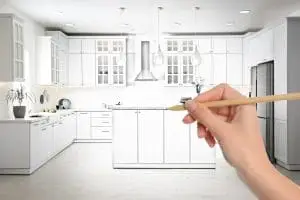
Is the kitchen stuck in the past? Do you want a space that represents your style and makes cooking enjoyable? This blog post, based on the insightful guide “Designing Dreams: Crafting Your Perfect Kitchen Renovation Plan,” will provide you with the tools you need to turn your kitchen ideas into a beautiful reality. Envisioning Your Ideal Kitchen: Needs, Cooking Habits, and Desired Look It’s time to get serious about your dream kitchen. Before we get too caught up with beautiful photographs and fancy finishes, let’s take a step back and genuinely understand your needs for this area. This planning stage is critical for building a kitchen that is not only attractive but also functional for your lifestyle and cooking habits. Assess Your Kitchen Needs: Cooking Frequency: Do you prepare complex meals every night, or do you primarily utilize the kitchen for short breakfasts and social occasions? Knowing how frequently you’ll use the room will affect its functionality. Do you cook with a family or on your own? Consider how many people will be using the kitchen at once and how much space they will require to move around comfortably. Determine your storage requirements. Do you need a large pantry to store big items, or would well-organized cabinets suffice? Define Your Cooking Style. Culinary Focus: Do you enjoy exploring with international cuisines or prefer comfort foods? Your cooking preferences can impact appliance selection and layout decisions. Preparation Style: Do you appreciate prepping items ahead of time or prefer quick, one-pot meals? This will influence the type of counter space and appliances that you prioritize. Delegation Level: Do you prefer preparing ingredients yourself or assign responsibilities to others? This can help establish how much devoted prep area you need. Embrace Your Ideal Kitchen Design: Consider the overall style you want for your kitchen. Do you want a sleek, modern style with cutting-edge materials, or do you prefer a cozy, timeless atmosphere? Ambiance: Set the desired mood. Do you envisage a bright environment with large windows or a cozy setting with warm lighting and rich colors? Design preferences: Think about your personal style. Do you want a kitchen that makes a dramatic statement or one that emphasizes clean lines and a clutter-free appearance? By analyzing your needs, cooking habits, and desired look, you’ll lay the groundwork for a dream kitchen that goes beyond aesthetics to become a space that truly expresses your personality and love of food. Budgeting for Success: Designing Your Dream Kitchen Within Your Means So you’ve imagined your ideal kitchen, a room that reflects your wants and cooking preferences. The next step is to create a realistic financial strategy to turn that desire into a reality. Kitchen renovations can be costly, so it is critical to have a clear budget from the start. Here’s how to navigate the financial waters and keep your dream kitchen from becoming a fiscal nightmare. Know Your Numbers: Before plunging in, assess your current financial situation. Examine your income, expenses, and current savings. Project scope: Determine the scale of your renovation. Are you considering a total redesign or a more targeted refresh? A realistic grasp of the project’s scope can assist you in developing an appropriate budget. Research is essential. Determine the average cost of kitchen remodeling in your area. This includes materials, labor, permits, and any unforeseen costs. Online resources, contractor consultations, and estimates from local suppliers can provide useful information. Create a reasonable budget. Allocate 5-15% of your home’s value for renovations, as a rough guideline. This is a starting point; changes may be required depending on your financial status and project scope. Prioritize and allocate: Divide your budget into areas such as cabinetry, appliances, countertops, flooring, and labor. Allocate a set budget to each category, focusing on the elements that are most important to your dream kitchen. Embrace Financial Planning: Establish a budget for renovations. This will set the timeline for your project and may influence financing alternatives. Consider home equity loans or credit cards as responsible financing options to bridge the financial gap.  Consider the Unexpected:  Set aside 15-20% of your budget for a contingency fund to prepare for unexpected events. Unexpected complications, such as concealed plumbing problems or electrical improvements, may develop during renovation. Following these procedures will result in a reasonable and well-defined budget that will allow you to design your dream kitchen without endangering your financial security. Remember that a successful remodeling is about more than just the end result; it also requires careful financial planning throughout the process. Optimizing Your Layout: Unlocking Your Kitchen’s Potential through Smart Design Now that you’ve imagined your ideal kitchen and set a budget, it’s time to turn those plans into a useful and beautiful area. Layout optimization is the art of maximizing your space to produce a kitchen that not only looks great but also promotes a smooth and efficient operation. Understand Design Principles: The Work Triangle idea recommends aligning the refrigerator, sink, and stove in a triangle shape. Aim for a comfortable distance between these crucial zones to reduce unnecessary steps during cooking. Consider the natural flow of movement in your kitchen. People should not have to continuously avoid each other. Make clear paths for simple mobility and prevent generating bottlenecks. Organize your kitchen into task zones for food storage, preparation, cooking, cleaning, and serving. This fosters logical workflow and increases efficiency. Optimizing for your space: Measure twice, cut once: Before creating a kitchen renovation plan, take precise measurements. Include entrances, windows, and any existing fittings. Accurate dimensions are critical for designing a practical layout. Utilize software solutions, such as online kitchen design tools and mobile apps, to visualize layout possibilities for your area. Experiment with unorthodox configurations to better fit your space. Depending on your needs and tastes, you can choose galley kitchens, L-shaped layouts, or even open-concept designs that combine with living rooms. Maximising Functionality: Position appliances strategically for optimal workflow. For example, place the dishwasher near the sink for easy cleanup. Maximize storage using creative solutions

Your Quick Guide to Ottawa Bathroom Renovation Success

Your Quick Guide to Ottawa Bathroom Renovation Success

Your Quick Guide to Ottawa Bathroom Renovation Success  – Starting an exciting project like a bathroom renovation in Ottawa can change one of your house’s most private areas. You can easily bring your vision to life with the correct direction, preparation, and professional help. We’ll walk you through all the necessary steps to guarantee a stress-free and successful bathroom renovation in the heart of Ottawa in this extensive guide, provided to you by Renosgroup. 1. Describe Your Goal Before beginning your journey, it is important to determine your objectives for the bathroom renovation. Take into consideration the elements that you would like to incorporate, the style that you desire, and the amount of usefulness that is required. This preliminary stage is responsible for establishing the mood for the entirety of the renovation project. 2. Budgeting A well-defined budget is essential to the completion of a successful remodeling. Calculate the amount of money you can afford, create a budget that aligns with reality, and allocate funds for various expenses, including labor, materials, and unforeseen charges. Renosgroup can help you develop a budget tailored to your requirements and goals. 3. Local Construction Codes Learn about the building laws and regulations in Ottawa. Compliance is key to ensuring a smooth restoration process, as it helps to eliminate the possibility of difficulties occurring both during and after the project process. Considering that the specialists at Renosgroup are well-versed in the regulations of the region, you can rest assured that your project will follow all of the requirements. 4. Do It Yourself or Hire a Pro Choose whether you want to engage professionals to assist you with the renovation or whether you want to complete it on your own. Even though smaller projects may be suitable for a do-it-yourself approach, larger renovations typically benefit from the knowledge of Renosgroup contractors, which not only ensures seamless execution but also ensures compliance with local requirements. 5. Layout Planning The next step is to evaluate the current configuration of your bathroom and determine whether or not any modifications are required. Our staff can assist you in the design of an efficient layout that makes the most efficient use of the space that is available and has the aesthetics that you want. 6. Quality Materials Choose materials that are durable, long-lasting, and capable of withstanding the weather conditions in Ottawa. Renosgroup is able to locate high-quality materials that not only ensure durability but also enhance the aesthetic appeal of your bathroom while simultaneously reducing the frequency with which repairs are required. 7. Functionality Focus Functionality should be your top priority when redesigning your bathroom. For a space that is both smooth and functional, it is important to select fixtures that are effective, to organize the layout, and to optimize storage choices. When it comes to designing bathrooms that are both stylish and functional, Renosgroup is a specialist in the field. 8. Energy Economy Think about installing energy-efficient lights and fixtures to reduce your monthly utility expenditures. Renosgroup may recommend and execute environmentally friendly options to guarantee that your renovation is by Ottawa’s commitment to sustainability. 9. Permits and Approvals Ensure you have all the essential approvals by verifying with the City of Ottawa to ensure a smooth permit procedure. Renosgroup can assist you in securing all necessary permits before starting the refurbishment to avoid any hiccups or delays. 10. Professional Assistance For the renovation of your bathroom, use trustworthy contractors. With its extensive expertise in Ottawa, Renosgroup provides experts who are aware of the unique characteristics of the area, guaranteeing a successful and seamless restoration process. 11. Contingency Planning Prepare for unforeseen problems by setting aside money and creating a backup plan. With Renosgroup’s assistance, you can prepare for unanticipated events and overcome obstacles without sacrificing the overall success of your bathroom makeover. 12. Effective Communication Throughout the refurbishment process, keep lines of communication open and functional with the Renosgroup team. Talk about your goals, your expectations, and any worries as soon as possible to ensure an enjoyable and cooperative experience. 13. Timing Considerations  Consider carefully when renovating your bathroom. Think about things like the weather, particularly while doing outside tasks. Renosgroup can assist you in planning the project’s timetable to reduce interruptions and guarantee timely completion. 14. Resale Value Make decisions that will increase your home’s resale value as well as your level of immediate happiness. Renosgroup creates remodeled bathrooms that increase the value of your home by striking a balance between market appeal and customization. 15. Final Inspection and Celebration Examine the finished refurbishment in detail with the Renosgroup team. Before you celebrate your Ottawa bathroom’s great renovation, make sure everything lives up to your expectations. Our main objective is for you to be satisfied. With the correct preparation and help, remodeling your bathroom in Ottawa can be a life-changing event. With its knowledge of the local market, Renosgroup is your go-to partner for a bathroom renovation that is stress-free, successful, and visually stunning. Together, let’s go on this adventure. Are you prepared to begin on a journey of transformation to transform your bathroom into a location that you will enjoy? When it comes to bathroom renovations, Renosgroup is at the forefront of the industry. They specialize in bringing your dream bathroom to life. The devoted members of our team are committed to creating places that are both aesthetically pleasing and functional and that your family will appreciate for many years to come. To cater to your preferences and lifestyle, we provide a wide variety of alternatives, which include luxurious bespoke showers and steam rooms, as well as modern floating vanities, marble sinks, and brass fittings. The Process of Bringing Your Ideal Bathroom to Life Our devotion extends far beyond merely being functional; we place a strong emphasis on design to create a sanctuary that is reminiscent of a spa, where you can relax and recharge after a long day. Picture yourself entering a bathroom adorned with a modern white and gray color scheme. This color

How to Choose the Perfect Bathtub

How to choose the perfect bathtub

Are you in the market for a new tub?  If so, you may be wondering how to choose the perfect bathtub. There are many different types and styles of tubs available, so it can be difficult to decide which one is right for you. In this blog post, we will discuss the different factors you should consider when choosing a bathtub. We will also provide tips on how to find the best deal on a bathtub. So if you’re ready to renovate your bathroom, keep reading! Bathroom Size When choosing a bathtub, the first thing you need to consider is the size of your bathroom. You will want to make sure that the bathtub you choose will fit in the space you have available. You should also take into account the shape of your bathroom when selecting a bathtub. If you have a small bathroom, you may want to choose a corner bathtub. Corner bathtubs are great for small spaces because they allow you to maximize your space. If you have a large bathroom, you may want to select a freestanding bathtub. Freestanding bathtubs are not attached to any walls, so they can be placed anywhere in your bathroom. Bathtub Types The next thing you need to consider is what type of bathtub you want. There are three main types of bathtubs: alcove, freestanding, and drop-in. Alcove bathtubs are the most popular type of bathtub. They are designed to fit in an alcove of your bathroom. Freestanding bathtubs are not attached to any walls, so they can be placed anywhere in your bathroom. Drop-in bathtubs are placed directly into a tiled tub deck (framed box with opening on top for tub to drop into, usually covered in tiles). Bathtub Materials Once you have decided on the type of bathtub you want, you need to select a material. The most common materials used for bathtubs are acrylic, fiberglass, and enameled steel. Acrylic is a synthetic material that is durable and easy to clean and can be molded easily allowing for more of sloped back and armrest. Fiberglass has a top coat that tends to wear off.  Once gone the product can be very difficult to clean. Enamel is a coating that is applied to the surface of the bathtub. Enamel steel tubs are durable but don’t retain the heat in the water very well and they tend to be uncomfortable to bath in. Installations Once you’ve selected your tub’s style and materials, it’s time to decide how to install it. There are quite a few different installation methods for bathtubs, meaning you must pick the best type for your bathroom and preferences. Not only that, but you should consider how much of a hassle you’re willing to put up with when installing your new tub. Why is that? It’s because specific methods are easier than others. In general, alcove and drop-in tubs are the easiest to install, with freestanding and corner tubs being more complex. For this reason, you should also consider your budget if you plan on tackling a more challenging installation method. That’s because it’s best to leave it to the professionals for trickier jobs involving heavy lifting and complicated plumbing connections. If you attempt to install a bathtub on your own, you may end up causing unintentional damage to the following: Your bathroom tile and walls Your new tub The plumbing in your home Hiring licensed and insured contractors to install your tub will avoid these potential issues. Not only that, but if an insured contractor does cause damage to your home, they’ll be liable for everything and will have to fix it at no cost to you. Alcove installation  Among the easiest installation methods is to use three walls to tuck the tub into, with one finished side. You can use this method if you have an existing ingress or nook in your bathroom. Once you place the tub in the alcove, all you need to do is connect the plumbing, and you’re all set. It doesn’t take a large team of people to perform an alcove installation, either. In fact, a team of 2 people can knock it out with relative ease. Drop-in Installation  This is another easy installation method, and it’s pretty similar to using an alcove. As the name implies, you drop the tub into a carved-out space or ingress in your bathroom to install the tub. The only catch is that you have to connect the required plumbing before you drop the tub in, so it’s crucial not to mix up the steps. A noticeable drawback of this method is that it requires an existing ingress or carved-out space to work. If you don’t have any suitable areas to drop a tub, you’ll have to use one of the other, more complicated methods. Freestanding Installation  While it’s arguably the most stylish-looking of all the methods, installing a freestanding tub is also one of the most difficult. At the same time, freestanding tubs are the most versatile, as you can install them in any room in your home, not just a bathroom. As long as you have a water source and a drain, you can install a freestanding tub. It’s essential to note that these are the heaviest out of all the bathtub types. As such, you’ll need to ensure that your floor can withstand the additional weight. Corner Installation  Installing a corner tub is undoubtedly the most complex and challenging. Why is that? It has to do with a few factors. First, corner tubs have more components than other tubs, which can make them difficult to install. Moreover, they’re wider than other types of tubs and require more room (and human resources) to put in place. Lastly, corner tubs have the most intricate plumbing connections involved, which is why you should seek the help of professionals to ensure things get done correctly. Now that you know how to choose a bathtub, it’s time to start shopping! You can find bathtubs online or
Bathroom Reno: 5 Ways to Freshen Up Your Space

Bathroom Reno 5 Ways to Freshen Up Your Space

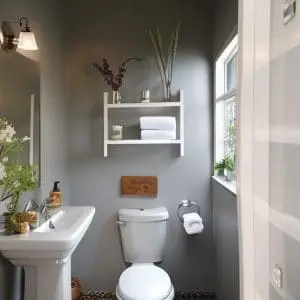
Is your bathroom in dire need of a makeover? Freshening up your space doesn’t have to be a daunting task. With a few simple changes, you can totally transform your bathroom into a room that you’ll love spending time in. Here are five ways to give your bathroom an update: Paint the walls a new color – try something bright and cheery to wake you up in the morning A bathroom reno is an exciting project, so why not make a daring choice and go for a bright and cheery paint color? You can use the color to invigorate your morning routine and put you in a great mindset. Picking the right hue can be daunting, but with the vast selection of lively paint options out there, you’re sure to find something that will bring your bathroom to life. A bathroom makeover can do wonders for even just this one part of your home – don’t be afraid to make it special with a vivid, energizing wall color! Replace old, outdated fixtures with new ones that match your style Updating bathroom fixtures is an easy way to give your bathroom a much-needed face-lift without doing a complete bathroom renovation. From faucets and showerheads, to towel racks and mirrors – if you upgrade the fixtures in your bathroom, it’ll instantly feel like a brand new space. The best part about this project is that you can find modern bathroom fixtures in every style imaginable, from classic and timeless designs, to hip and trendy looks. So no matter what vibe you’re going for in your bathroom reno, there is sure to be a fixture that fits your style! Add some greenery to the space with a potted plant or two Planning a bathroom reno? One of the easiest ways to enhance the atmosphere and add a touch of style is by introducing some greenery to the area. Whether you opt for low maintenance succulents, vibrant ferns or flowering plants, two potted plants can instantly brighten up any bathroom! Not only do potted plants collect dust particles from the bathroom’s air, they also offer an effortless way to bring life and colour into the bathroom space. And with so many stylish pots on the market, you can easily find ones that match your bathroom’s décor. So why not go ahead and green up your bathroom reno today? Hang some new artwork or photos to personalize the space When it comes time to spruce up a bathroom, adding some artwork or photos to personalize the space can really make all the difference. Adding some of your own style into the bathroom’s décor is an easy way to get creative and even start a conversation. Hang some art over the bathroom sink, like a bright abstract painting or framed photography of your favorite travel destination, and it can instantly become a feature in your bathroom reno. Get inventive with how you display it too – an old picture frame hanging from some vintage string looks unique and eye-catching! Adding something special like this to your bathroom is sure to bring a whole new vibe when you step in the door. Change out your shower curtain for something fresh and new If you’re looking to breathe new life into one of your bathrooms, there’s nothing quite like changing out your shower curtain. It’s an easy way to do a bathroom mini-reno without breaking the bank. There are so many unique shapes, styles and materials available these days that it won’t be hard to find a shower curtain that speaks to your own personal aesthetics. Whether you prefer minimalist, boho-chic or vintage florals, swapping out your bathroom decor for something fresh and new will instantly make it feel like an entirely different space. From a simple coat of paint to brand new fixtures, there are plenty of ways you can spruce up your bathroom without breaking the bank. A few small changes can go a long way in giving your space a fresh new look and feel. So why wait? Contact us or call us at 613-727-9427 today for more bathroom reno ideas that will fit both your style and budget.

Home Improvement Ideas for 2023

Home Improvement Ideas for 2023

If you’ve been thinking about making some home improvements, you’re in luck. We’ve put together a list of the top home improvement ideas for 2023. From adding an outdoor living space to upgrading your kitchen, there are plenty of ways to add value to your home. So read on for some inspiration, and start planning your next project! Consider a home automation system to increase your home’s value and make your life easier A home automation system can be a valuable home improvement tool. It is perfect for busy homeowners looking to make their home more efficient and livable. Not only can home automation systems increase your home’s value, but they can also make daily activities simpler, from unlocking the door hands-free to regulating lighting with voice commands. With home automation, you will have total control over your home right in the palm of your hand. Whether you’re at home or away, you can be sure your home is always functioning according to your schedule. With home automation, upgrading your lifestyle and boosting home value has never been easier! If you’re planning on selling your home, update the kitchen and bathrooms – these are always big selling points When it comes to home improvement projects, focusing on the kitchen and bathrooms of a home is often a great investment. Not only will the new appliances and fixtures look modern and more attractive, but these two areas are always huge selling points for home buyers. Updating the kitchen and bathrooms can add value to your home and give potential buyers an incentive to put in an offer! It’s best not to skip over these areas during any home improvement project in order to increase the chance of having your home sell quickly. Create more living space by finishing the basement or attic Home improvement tasks can sometimes seem daunting, but if you’re looking for a way to easily add additional usable living space to your home, consider finishing your basement or attic. Not only will you gain valuable square footage that can be used for a home office, playroom, game room, home gym or other purpose, but it can also increase the value of your home. Basements and attics often have existing features – such as electrical wiring and ductwork – that may reduce the cost of additional home improvements. Finishing either area of your home is an effective way to optimize interior space and make the most of your home with minimal effort. Make your yard more inviting with landscaping, a new deck, or patio furniture Home improvement projects can give your home a much-needed facelift in no time. One of the best home improvements to make is sprucing up your outdoor living space. Investing in landscaping, a new deck, or even a few pieces of patio furniture can instantly refresh your yard and make it more inviting to you and guests alike! Not only will it look great, but adding these home improvement elements could also provide an additional source of entertainment, relaxation, and even boost the value of your home. Increase curb appeal with a fresh coat of paint, new shutters, or updated light fixtures Nothing says home improvement quite like a fresh coat of paint, new shutters, or updated light fixtures. Increasing your home’s curb appeal is easy and can help improve the home in more ways than one. With a clean and crisp appearance to your home, you can feel confident that potential homebuyers will be impressed by what they see. Whether you decide to go with a dramatically different color or just touch up the current hue, a fresh coat of paint is an excellent way to make sure your house stands out from the rest. Meanwhile, shutters and lights fixtures add an extra level of class and sophistication—and can be changed easily to correspond with the changing seasons. Whatever route you decide to take for home improvement, don’t underestimate the value in making sure your home looks polished and inviting from the outside! Now that you know a few home improvement projects that are sure to increase your home’s value, it’s time to get started! Don’t wait until you want to sell your home to make these changes—many of them can be enjoyed now and will continue to pay dividends in the future. And if you need help with any of these projects, don’t hesitate to contact us or call us at 613-727-9427 today for more ideas on how you can improve your home.