Designing the Ultimate Bathroom

Designing the Ultimate Bathroom

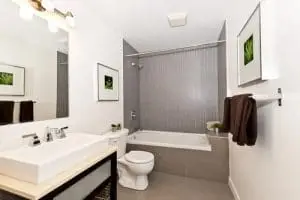
Bathroom designs vary from person to person whether the focus is mobility, design, or luxury. No matter what aspect you try to focus on, designing the ultimate bathroom includes the following considerations: Space Not all homeowners are lucky enough to have a large bathroom, however it isn’t always about size, but the way you utilize it. Even the smallest bathroom can be improve immensely with the right design. The floor plan will dictate how space is used and contribute to the overall functionality of the bathroom. When looking at your space consider all of the things you want to incorporate from your wish list and work with your contractor to make it happen. Budget Everyone will be working with a different budget for the bathroom renovations Ottawa contractors will provide. You have to look at the maximum amount you can afford and then make sure part of that money is set aside for your contingency plan. Bathroom renovations can often lead to unexpected costs and by including a contingency budget you will be certain to have more than enough to handle whatever happens. You can then use any leftover money for higher end finishes such as lighting and faucets. Dream Idea Even for the most functional bathroom reno you will have a dream idea in mind. Whether you collect photos from magazines, print off some ideas you have found online or have a design style such as boutique hotel or sleek and modern, incorporating your dream ideas into the design will make sure your bathroom renovation is a success. Design details to consider include flooring, tub and tiles, but it is also very important to consider the dream aspects of function as well such as storage, lighting for applying makeup and shaving, heated floors, double sinks and solutions to improve aspects of your current bathroom that you hate. Finding a Contractor Your bathroom renovation requires knowledge in many areas from plumbing to electrical and tile laying to understanding how to prevent leaks. That means you do not want to trust your bathroom renovations to just anyone. Do your research and ask around for a referral. If you do not find a referral look for a contractor who has knowledge in bathroom renovations with a website that explains their services. You also want to find a contractor with plenty of testimonials and photos of the work they have done in the past. These elements work together to create the ultimate bathroom renovations Ottawa loves.  To get in touch to schedule renovations, you can fill out an online form or give us a call at (613) 727-9427.

How to Create a Warm and Welcoming Living Space

Creating a Warm & Inviting Living Space

Homes can often feel cold, unlived in and unwelcoming, thankfully there are several things you can do to make your home feel more comfortable. By creating a warm and inviting living space, your guests will feel more welcome when visiting, and are more likely to drop by for another visit. Here are some home renovations you should consider when creating a warm & inviting living space: A Splash of Colour Using warm colours such as beige, yellow, orange and pink will create a cozy and comfortable space. There are many ways to use colour to create interest such as using a darker colour on an accent wall. You can also install a chair rail and use a darker colour on the bottom and a complementary tone above. Wainscoting and bead board in white also work well with warm colours. Neutral warms are ideal to create a relaxing environment whereas the use of bolder warms can add drama or even a touch of playful fun. Add Character Newer homes tend to lack character. The cookie cutter approach to newer homes does not provide the workmanship and thought put into the design of older homes. Built-ins, wainscoting and crown moulding add substance to a home and the addition of substantial base boards, chair rails and other millwork create a sense of history and architectural detail. Hallways are an excellent and affordable place to add wainscoting for a more formal look and bead board works well to add charm. Built ins are great for entertainment centres in living rooms and basements and formal dining rooms are also ideal for built ins used to display fine china as well as the addition of a buffet for storage. Crown moulding should be added throughout your home to provide a finished look filled with character. Fixtures and Finishes The home renovations Ottawa home owners appreciate include the addition of higher end fixtures such as updated lighting and fireplaces. Ottawa contractors can give you an idea of what will work best, and will work with you to find something within your budget. If you’re looking for an even more cozy feel try adding a gas fireplace to your living room, great room or basement. A bedroom with a fireplace also provides the ultimate retreat at the end of a long day. The home renovations Ottawa home owners choose are designed to make your home warm and inviting.  To get in touch to schedule renovations, you can fill out an online form or give us a call at (613) 727-9427.

The Top 5 Do’s and Don’ts of Home Renovations

Top 5 Do’s and Don’ts of Home Renovations

If you are about to embark on the home renovations Ottawa residents dream of, then you’ll want to be certain you understand the do’s and don’ts to avoid disappointment. Take a look at these suggestions for the top do’s and don’ts of home renovations: Do: Create a Decorating Idea: Going into even the simplest renovations Ottawa home owners undergo requires a good decorating plan to ensure the changes made reflect your sense of style. Measure: It all boils down to the old adage, measure twice cut once. You don’t want to ruin your entire plans by being off by an inch on your kitchen counter measurements. This is frustrating and worse, costly. Interview Contractors: You want to be certain you hire someone with the right skill set for your specific job therefore interviewing contractors is important in order to hire someone who can handle the renovations required. Have Contingency Funds: Even the best contractor in the world cannot foresee every potential problem that might arise during a renovation. Therefore it is important to not only have a budget but a contingency fund to handle any surprises that might arise. Organize: Make plans to work around the renovations so your family is still able to live as comfortable as possible until the work is complete. Don’t: Have Exposed Floors: When renovating it is imperative that you don’t leave your finished floors exposed, as many things throughout the process can damage them. Workers boots, heavy products and materials, and dust are just a few of the things that can cause a problem. Consider laying down old blankets or tarps to ensure your floors are thoroughly protected. Throw Out Receipts: Keep each and every receipt for everything you buy and every service you hire in case of conflicts or a change of heart. Buy Your Own Materials: Your contractor will get far better deals than you on materials. If you see something you like let them know and they will get it for you. Skip the Prep Work: Great renovations Ottawa home owners love start with great beginnings. Skipping the prep works just means you are starting with a poorly planned execution which can only lead to trouble down the road. Ignore the Accents: Factor in everything from light switch plates to lighting, back splashes to door knobs and everything in between. You don’t want to run out of money because you forgot about all of the finishing touches you will need from crown moulding to paint. Using these top do’s and don’ts of home renovations will help keep your renovations under control.  To get in touch to schedule renovations, you can fill out an online form or give us a call at (613) 727-9427.
Consequences of a Bad Renovation and How to Avoid Them

The After Effects of a Bad Renovation

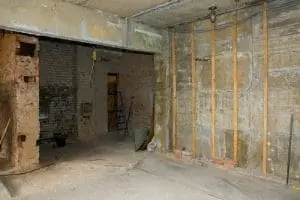
From DIY disasters to hiring a contractor without the required experience a bad renovation can leave your home in unlivable conditions with dangers you might not even know exist until a tragedy occurs. An inexperienced or really inexpensive contractor can leave you with a bad renovation that could not just be unappealing to the eye, but also do serious damage to your home putting your family in danger. Some of the after effects of a bad renovation can include: Unplanned Costs Going over budget is actually one of the best of the worst things that can happen. However, this will affect you financially and put a real dent in your savings, hike up your credit cards, deplete your line of credit and worst of all could have a negative effect on your credit rating which can stay with you for years. Even worse is having your Ottawa renovations performed so poorly you have to hire a second company to come in to fix everything at your expense. This is one of the most popular techniques used by shady contractors, get in the door with low pricing, then hit them with every additional they can think of. Inconvenience Hiring a contractor without the right experience can turn your Ottawa renovations into a never ending nightmare with you living in turmoil as your contractor stumbles through the job for months, imagine living without a functioning kitchen or bathroom for months on end and the stress it will place on your family. When you hire an inexperienced contractor they might have every intention of completing your project and may even do a good job but disorganization, lack of funds to hire the right people for the job and overall inexperience in time management can mean months of inconvenience. In even worse scenarios the job might be completed on time but performed so poorly you have to have the job redone leading to more inconveniences not to mention the cost. Disagreements An inexperienced contractor is more likely to run into disagreements with the way things happened which can lead to the wrong work being done, the wrong quote being provided and often the wrong decisions being made. Any of these scenarios can lead to disaster leaving you in the lurch with a job you are not happy with and a bill you do not want to pay. Taking the time to do your research and being careful to recognize that the cheapest contractor is not always the best choice will help you avoid a renovation nightmare.  To get in touch to schedule renovations, you can fill out an online form or give us a call at (613) 727-9427.
Why You Shouldn’t Install Drywall Behind Shower Walls

Reason not to use drywall behind shower or bathtub walls

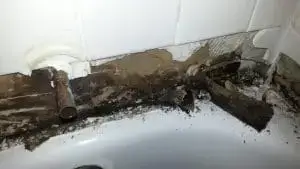
A common problem we tend to run into a lot at RenosGroup is drywall in wet areas.  Here are some reasons why you shouldn’t install drywall behind shower walls. While installing shower surrounds and bathtub walls over drywall is technically possible, it’s a recipe for disaster. That’s because drywall is not a material that’s intended to get wet. In fact, drywall actively absorbs moisture – which causes it to lose its structural integrity. That’s terrible news for the framework of your home, as the compromised drywall can let moisture seep in and wreak havoc. Read on to learn more about what drywall does to shower walls, as well as alternative materials that work far better behind shower surrounds. Drywall and Moisture: A Dangerous Mix To understand why drywall absorbs moisture, you need to learn a bit more about the material. Drywall consists of sheets of gypsum plaster held together by fiberglass. It’s used to finish interiors by placing a solid structure over the insulation and plank walls. Drywall is a porous material by nature, which means that it contains tiny holes capable of absorbing moisture and housing bacteria/mold. That’s why drywall is exclusively installed in areas that aren’t meant to ever get wet, such as your living room or bedroom walls. Whenever a flood occurs in a home that has drywall, the drywall will absorb the standing water – which then becomes a breeding ground for dangerous bacteria and mold. If left unchecked, the mold can cause severe structural damage to your home, costing you thousands of dollars in repairs. The same thing happens whenever you attempt to install a shower or a bathtub surround over drywall. The drywall will absorb the moisture, become compromised, grow mold, and even spread the moisture elsewhere inside your framework. It’s basically like a mini-flood occurring in your home, which you don’t want. That’s not all either, as it gets worse. Beyond absorbing any standing water it comes into contact with, drywall will also absorb any moisture in the air. That means whenever you take a hot shower or bath, the humidity released will seep into your drywall and compromise its integrity. A Visual Demonstration of What Can Happen The following are a series of photos we took on a real job. The homeowner had drywall installed behind a shower surround, and look what happened. The moisture ultimately compromised the drywall, causing it to rot and form dangerous mold. It then spread to the rest of the wall, causing structural damage to the home. We took photos to convey the dangers of using standard drywall behind the shower and bathtub. Trust us, the last thing you want to have to deal with is massive structural damage to your home, as the repair costs are excessively steep. Alternative Materials for Your Bathroom Walls Now that you know why drywall is such a no-no for your bathroom, what materials should you use instead? There are quite a few options, including a modified version of traditional drywall called ‘green board.’ Green / Blue Drywall Green/blue board, is a drywall that’s been covered with coloured paper (to distinguish it from regular drywall) coated with a protective wax for moisture Denshield Denshield is an excellent alternative when traditional drywall doesn’t cut it. Denshield has a water-proof front with a moisture protect back and sides.  Similar to green/blue board it has a drywall interior. If you can select a material to use behind a shower or tub surround, Denshield is an excellent choice. With it in place, you can run the shower all you want without worrying about mold forming inside your walls. Concrete Backing Board A cement or concrete backing board is another option for your tiled areas. Typically, builders use concrete backing whenever they need to form a base for ceramic tile. A concrete backing board is an excellent option if your shower or bathtub surround features ceramic tiles. Grout and mortar also easily adhere to concrete backing boards, making them an ideal material to use. Waterproofing Membranes Membranes are now one of the more popular options today.  They even come in handy if the space you’re converting into a bathroom wasn’t one before, like a closet. Since the builders didn’t intend the walls in a closet to get wet, they likely used regular drywall. In this scenario, you would add a Schluter moisture-blocking membrane to avoid installing brand-new materials. What’s that? A moisture-blocking membrane is a thin felt back water-proofing material strip that prevents moisture from entering the drywall. If done correctly the membranes are the best option and have become the most popular form of ensuring your wet areas are sealed and mold free. A downside is that these membranes tend to run on the pricey side. Trust RenosGroup With Your Bathroom Remodel Understanding why drywall isn’t a suitable material for bathroom walls is essential knowledge for all homeowners, so please share this article on your social media accounts to help get the word out. You never know; you may save someone thousands of dollars in repairs by showing them this article. If you want a bathroom renovation in Ottawa, don’t hesitate to reach out to us at RenosGroup. Our licensed team of professionals will install beautiful shower and bathtub surrounds for you, and we always use appropriate materials that won’t damage your home. To schedule renovations, you can either fill out our online form or call us at (613) 727-9427.
How to Improve Air Conditioner Efficiency with Simple Tips

Air conditioning tips

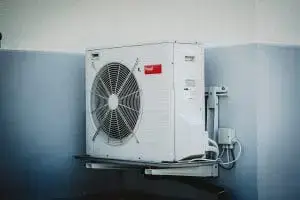
Happy Friday everyone! This weekend looks like its going to be very hot with a lot of humidity…I hope you have an air conditioner. Although, we focus on kitchen and bathroom renovations, I could not let these air conditioning tips go unread. Probably the easiest and most important tip is to make sure you change the filter…but please read-on and use these air conditioning tips and save your money!! Air-Conditioning Tips: 9 Things You Need to Know Keeping your AC in shape will help you stay cool and save dough 1. Dirty filters kill your AC’s efficiency, so install a new one every month during the cooling season for central and window units (or clean them if you’ve got the washable type). Look for the filter’s minimum efficiency reporting value, or MERV, which ranges from 1 to 12 for home AC units; the higher the number, the better filtration it provides (and the more energy needed to pull air through it, so balance air-quality concerns with energy costs). 2. Ducts can lose up to 30 percent of airflow through leaks, and window AC units are notoriously tough to seal properly. Find leaks using the old “smoke trick”: For window units, light a stick of incense and hold it where the unit and the window frame meet; for central AC, hold the stick near duct connections. If the smoke blows around, you’ve got leakage. For ductwork, use foil tape to seal small gaps and duct mastic for larger ones; for window AC units, stuff foam between the device and the window frame, taping as needed. 3. There’s no need to blast the AC at full tilt while you’re at work. For central units, install a programmable thermostat that lets you set higher temps when you’re gone and cooler temps when you’re home. Newer window units have built-in timers and adjustable thermostats, or you can buy a timer at any home store for $10 to $20; just make sure it matches your device’s voltage. Unless you’re going on vacation, don’t shut off the system; otherwise, the air compressor will need to work harder to cool your house later. 4. Ducts in hot attics or crawl spaces should be wrapped to keep the air within them cool. You can use spray foam, batt insulation, or rigid-foam insulation. Seal batt and rigid insulation with foil tape (not duct tape). For tight spaces, wraps like Reflectix offer some degree of insulation. 5. A central AC system’s air compressor and condenser are usually located outside the house, close to your foundation. It works best when there’s about 24 inches of clear space in all directions, so get rid of nearby shrubs, tall grass, leaves, and hanging branches. 6. Extend the life of your AC system by keeping blinds or shades down during the day; you can also install awnings to shield south-facing windows from intense sun. Consider running the AC in conjunction with floor or ceiling fans to circulate cooled air more effectively. 7. The dealer who installed your central AC (or one you find locally) should put you on a yearly cleaning schedule that goes beyond just cleaning the filters. Schedule this checkup before the cooling season starts (or do it now if you didn’t do it earlier this year), and make sure it includes the following tasks: cleaning and inspecting coils; cleaning or replacing filters; adjusting and replacing fan belts; lubricating motors and bearings; cleaning and checking blowers and fans; inspecting controls and safeties; checking refrigerant and pressures; and verifying operating temperatures. 8. Shutting too many interior doors causes central AC systems to go out of balance, meaning there’s less airflow in the entire house. If you want some privacy, keep doors slightly ajar instead. 9. Federal laws require AC units to be a lot more efficient than they were just 10 years ago. For central AC, look for the seasonal energy-efficiency ratio, or SEER; for window units, the measure is simply called the energy-efficiency ratio, or EER. The standards mandate a SEER of 13 and an EER of 8, but devices with higher numbers will cost less to operate. Please don’t wait to give us a call at (613) 727-9427 , for your next home renovation project. You can also use this form to request a free in-home consultation and estimate.
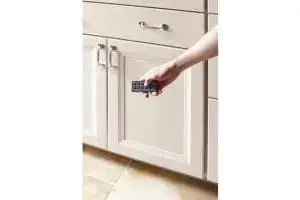
Remote Control Cabinet Locks for a Safer and Smarter Kitchen

Remote Control Cabinet Lock

A definite consideration for your next kitchen renovation………A perfect solution for those who have a real hard time controlling those pesky late night snack urges !  Omega Cabinetry now offers a remote control cabinet lock for its cabinetry to protect personal documents, valuables, alcohol and cleaning supplies.  A single keypad operates up to 12 locking devices. The locking device is shown on the company’s Cayhill cabinetry in maple with Magnolia finish. Omega Cabinetry once marketed a remote control cabinet lock intended to protect cabinets storing personal documents, valuables, alcohol, and cleaning supplies. This unique feature proved popular among homeowners looking to add an extra layer of safety to their kitchen. How does this work? A single keypad may control up to 12 locking mechanisms, making it simple to manage several cabinets. The locking mechanism is discreetly integrated into the cabinetry, resulting in a uniform and beautiful appearance. While Omega no longer appears to provide this specific product, it’s worth contacting them directly to learn more about their current offers or similar alternatives. They may have different solutions that can satisfy your requirements. If you want to learn more about remote control cabinet locks or other kitchen makeover ideas, then do not hesitate to contact us. Our team of specialists can provide helpful insights and advice to help you construct your ideal kitchen. Update:  Omego no longer seems to offer this product, please call them for more info.  Here is a link to their previous offering…. To learn more about remote control cabinet locks, or anything about kitchens don’t hesitate to get in touch, you can fill out an online form or give us a call at (613) 727-9427.