Kitchen Page Blog

Stay updated with our kitchen page  blog for tips, trends, and expert advice on remodeling projects.

Why Are Walk-In Showers So Popular

Why Walk-In Showers Are So Popular in Modern Bathrooms

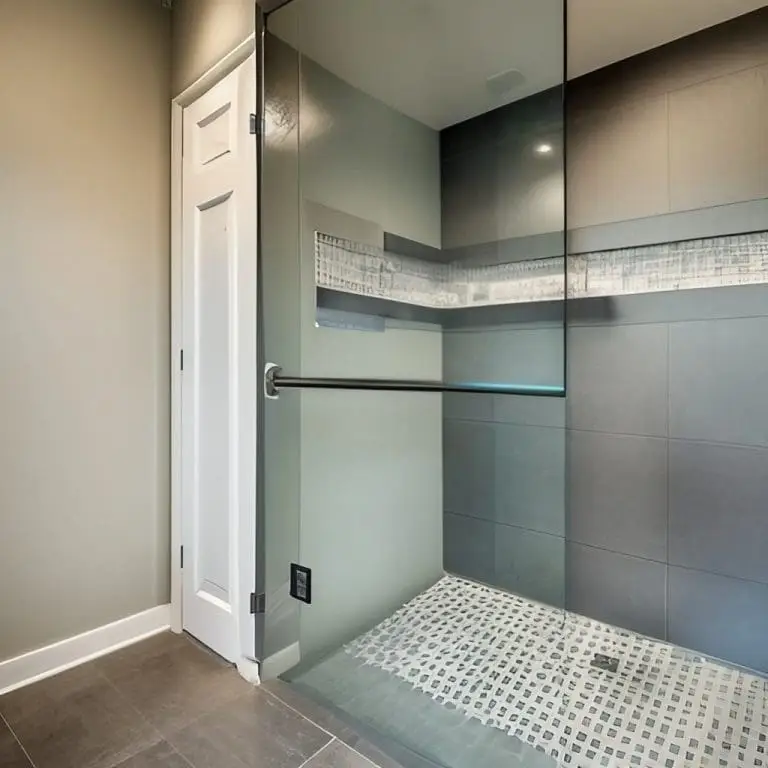
If you’re thinking about adding a walk-in shower to your home, there are a few things you should know. Walk-in showers can be a great addition to any home. In this blog post, we’ll explore walk-in showers so that you can make an informed decision for your home. Thanks for reading! Why you should consider a walk-in shower for your home Walking into a walk-in shower after a long day can be incredibly relaxing. Its open and spacious design offers not only convenience but an easy way to transform your space. Walk-in showers are great for those with limited mobility, as their low threshold entrance eliminates the need for heavy stepping over larger bathtubs. Most walk-in showers have built in shelving and compartments that offer more storage options than traditional showers, allowing you to keep clutter out of sight and create a beautiful, serene atmosphere. Additionally, walk-in showers are incredibly easy to maintain – simpler design requires less maintenance compared to other types of showers. These features make walk-in showers the perfect upgrade for any home. The benefits of walk in showers, including increased safety and easier cleaning Accessible showers offer a variety of benefits for people of all ages, making them increasingly popular for bathroom remodels. Not only are walk-in showers much safer since they do not require you to climb over a high bathtub wall; they also have significantly lower risks of slipping as the floor is often slip-resistant. Additionally, walk in showers are easier to keep clean than traditional tubs or shower stalls since they don’t have crevices or indentations that accumulate grime and dirt. They also provide a spacious area that can comfortably fit multiple people at once, while the open concept allows it to easily merge with the rest of your bathroom design. If you’re looking for maximum convenience and style, there’s no arguing that walk in showers have a lot to offer! How to choose the right walk in shower for your home When considering a new walk in shower for your home, it’s important to consider the available space and how much of it can be devoted to a larger unit. If you have adequate space, an easy access walk in shower may be the perfect addition to your bathroom renovations, providing luxury, cleanliness, and convenience. It’s important to determine whether the desired look is modern or traditional – this will inform the design materials used. Beyond that, consider other practical matters such as if special traction surfacing is needed around the perimeter of the shower as well as if any plumbing changes or upgrades need to occur in order to successfully incorporate a walk in shower into your home. With these tips, you can make an informed decision on which shape, size, budget and style fits best to enhance your living space. Tips for installing a walk-in shower, including waterproofing and choosing the right size Installing a walk-in shower can be an exciting process of transforming your bathroom, but it’s important to take certain considerations into account. Before putting in the new equipment, it’s essential to make sure your space is waterproofed properly and that you’ve chosen the right size for that area. It’s also important to make sure you have all the necessary materials on-hand before beginning installation. If done correctly, the installation should be relatively simple and hassle-free! With careful thought put into it beforehand, you can ensure that your new shower will function perfectly and last for years. How to care for your new walk-in shower, including cleaning and maintaining the tile Keeping your new shower in top shape requires more than just an occasional mop job. The tile needs regular cleaning with a solution specifically designed to remove dirt, soap scum, and bacteria. Start with a non-abrasive cleaner – the harshness of products containing bleach can harm the tile over time – and work it in with a sponge or soft-bristled brush. Give special attention to grout lines, which can be tricky spots for harboring dirt. It also helps to give the whole bathtub a weekly rinse with warm water after you have wiped down surfaces for maximum effect. Additionally, regular sealing of both the shower glass and tiles will prevent discoloration caused by mold, mildew, and dirt buildup. Not only will your hard work keep your walk in shower sparkling like new year round, but it will also help increase its lifespan – so don’t forget to put these essential upkeep steps on your bathroom checklist! An accessible shower can be a great addition to your home, providing increased safety and easier cleaning. When choosing a walk in shower for your home, it is important to consider the size of the space and the type of tile you want to use. Walk in showers are easy to care for and maintain with regular cleaning. If you’re ready to add a walk-in shower to your home, contact us or call us at 613-727-9427 today! We’ll help you choose the right one for your space and ensure it is installed correctly.
How to renovate a bathroom

How to Successfully Renovate a Bathroom

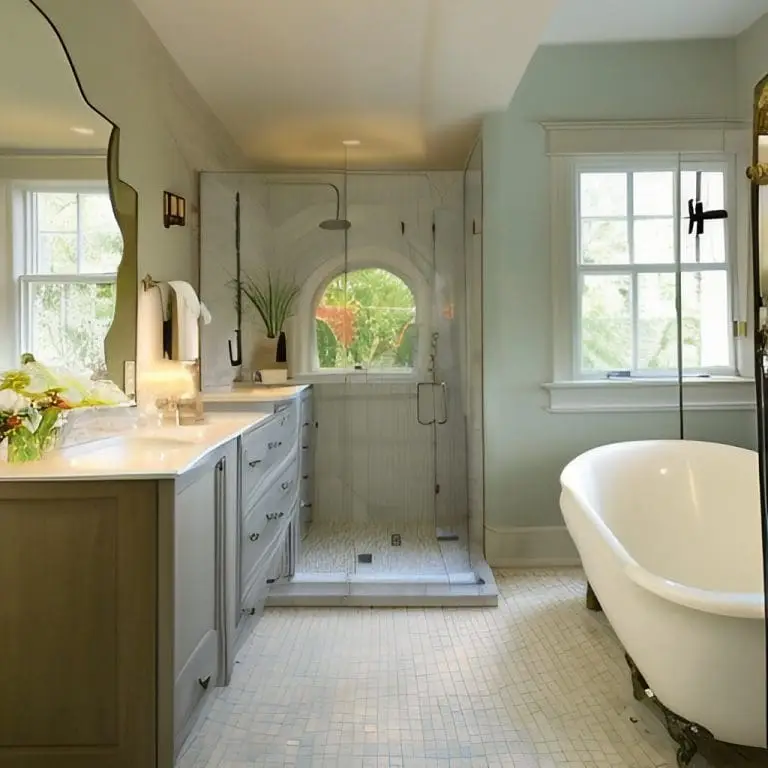
Are you looking to spruce up your outdated bathroom? With the right tools, materials, and some elbow grease, you can breathe new life into the area and make it even more enjoyable. In this guide, we’ll provide step-by-step instructions on how to renovate a bathroom efficiently and effectively. Plan a Design Before you begin the remodeling process, it’s important to have a plan and design in mind. Consider your budget and the materials you want to use for the job. Set realistic expectations for yourself; if there’s something that’s above your skill and knowledge level, consider hiring a contractor instead. Determine how much time you need to complete the project, too. Once you’ve got everything set and mapped out, then you can start working on the renovation! Prepare for Gutting the Bathroom Before you start taking apart the bathroom, it’s important to have the new materials you will be using ready. Gather all the fixtures, tile, vanity and storage pieces that you need for the project. If possible, place them in a designated area so they are easily accessible later on. Additionally, prepare for gutting by protecting adjacent rooms (if any) with plastic sheeting or tarps to keep dust out of other areas in the house. Finally, make sure any furniture or appliances in close proximity are well covered! Choose Flooring and Walls After you have prepared for the renovation, it’s time to choose your materials. Select a type of flooring that is easy to keep clean and maintain over time. Common choices are tile and laminate, as well as vinyl or cork plank. Additionally, pick a color scheme and material for the walls that will best complement the new fixtures and storage pieces. When selecting wall coverings, consider if they need to be waterproof or if you want them to have textural elements like shiny tiles or glittery wallpaper. Install Fixtures and Fittings Next comes the most exciting part of any renovation – installation! Get ready to bring your bathroom vision to life and start installing fixtures and fittings. Install the vanity, toilet and shower/bath, along with any other pieces you may have purchased. Make sure that plumbing is connected in all these places, as well as in the sink. Once everything is in place, it’s time to seal areas like joints and pipe connections with an appropriate adhesive or caulk. Finishing Touches and Clean Up All that’s left to do now is to complete the job with those cosmetic finishing touches, such as tiles and grout, paint, fixtures, and any trim. Then you can enjoy the transformation of your bathroom! Before taking your newly renovated bathroom for a spin, make sure to give it a good clean-up and put away all remodeling equipment, materials, and tools that have been used.  To renovate a bathroom don’t hesitate to contact us or call us at 613-727-9427 today.

Top Kitchen Renovator Ottawa

A Look at the Top Kitchen Renovator Ottawa Has to Offer

If you’re considering a kitchen renovation, you want to make sure you hire the best company for the job. There are a lot of so-called “experts” out there, but how do you know who to trust? In this blog post, we’ll take a look at the top kitchen renovator Ottawa has and see what sets them apart from the rest. There are a few things you should consider when hiring a kitchen renovator. First and foremost, you want to make sure they have a good reputation. You can check Trustedpros.ca  online reviews or ask for recommendations from friends and family. Once you’ve found a few companies that come highly recommended, it’s time to get some estimates. The estimate should be based on the scope of work that needs to be done, as well as the materials needed and the timeline for completion. Once you’ve chosen a company, it’s important to communicate your vision clearly. Make sure you discuss your budget and any potential time constraints upfront. The last thing you want is for your dream kitchen to end up being a nightmare because of miscommunication between you and your contractor. If you’re looking for the top kitchen renovator Ottawa has, look no further than RenosGroup. We have over 25 years of experience in the industry and our team of experts will work closely with you to make your dream kitchen a reality. If you’re planning a kitchen renovation, it’s important to hire a reputable company who will work with you to create the kitchen of your dreams. RenosGroup is the top kitchen renovator Ottawa has and we would love to help turn your vision into reality. Contact us today for a free consultation!  Don’t wait, contact us today (613)727-9427

Kitchen Renovator in Ottawa

How to Choose a Kitchen Renovator in Ottawa

If you’re considering a kitchen renovator in Ottawa, you might feel a little overwhelmed. There are so many things to consider! What style do you want? What materials should you use? And, most importantly, who should you hire to do the work? In this blog post, we’ll focus on the last question. How can you choose a kitchen renovator in Ottawa who will do a great job? Keep reading to find out! 1. Get Recommendations from Family and Friends When it comes to finding a reputable contractor, word-of-mouth recommendations are always best. Talk to your friends and family members who have recently renovated their kitchens and see if they have any recommendations. Once you’ve compiled a list of potential candidates, you can start doing your own research. 2. Look for Online Reviews These days, it’s easy to find reviews for just about anything online. A quick Google search will reveal what other customers have said about a particular company. Reading reviews can give you a good sense of what it’s like to work with a particular contractor. But don’t just take everything at face value—look for patterns in the reviews. If most of them are positive but there are a few negatives ones mixed in, that’s probably not cause for alarm. But if all the reviews are negative, you might want to steer clear. 3. Check for Proper Licensing and Insurance Any reputable contractor should be properly licensed and insured. Ask to see proof of both before you sign any contracts. This will protect you in case anything goes wrong during the renovation process. 4. Make Sure They’re Experienced When it comes to something as important as your kitchen, you want to make sure it’s in good hands. Ask potential contractors how long they’ve been in business and how many kitchens they’ve renovated. Then, ask to see some photos of previous projects. This will give you a good sense of their workmanship and style. 5. Get Everything in Writing Before any work begins, make sure you have a detailed contract that outlines the scope of work, materials to be used, timelines, and payment arrangements. This will protect both you and the contractor in case there are any misunderstandings down the road. Renovating your kitchen is a big undertaking—but it doesn’t have to be stressful! By taking the time to choose a reputable contractor, you can rest assured knowing that your kitchen is in good hands. Follow the tips outlined above and you’re sure to find a kitchen renovator in Ottawa who meets all your needs!  Don’t wait to reach out for a free in-home consultation or give us a call at (613) 727-9427.

TrustedPros Logo

Home Renovation Company Reviews: Why They Matter

You’re probably familiar with online reviews for restaurants, hotels, and other businesses. But what about home renovation companies? Online company reviews are important for any business, but they can be especially valuable for small businesses in our industry. Here’s why home renovation company reviews are so important: 1. Provide social proof. 2. Helps attract new customers. 3. Gives valuable feedback. 4. Improve search engine ranking. Keep reading to learn more… 1. Online Company Reviews Provide Social Proof Social proof is the idea that people are more likely to do something if they see that others are doing it too. In other words, it’s validation from our peers that something is worth our time and attention. When it comes to home renovations, potential customers want to see that others have had a positive experience working with a business before they’ll commit to hiring. That’s where online company reviews come in. A potential customer who sees that a business has mostly positive online reviews is more likely to trust that business than one whose reviews are all over the place or, worse, non-existent. What’s more, social proof is especially important for small businesses because they don’t have the same kind of name recognition as a big-box store or a national brand. They have to work a little harder (okay, a lot harder) to prove that they’re worth the prospective customers’ time and money. 2. Online Company Reviews Help Attract New Customers In addition to providing social proof, online company reviews can also help attract new customers—especially if effort to respond to every review (more on that later) is made. Positivity breeds positivity, and when potential customers see that a company is responsive to customer feedback—both positive and negative—they’ll be more likely to do business with them instead of with one of their competitors who doesn’t bother responding at all. Another way that online company reviews help attract new customers is by giving the company free marketing content that can be shared on their social media channels and website. By sharing positive reviews on those channels, their increasing the visibility of their business and putting themselves in front of potential customers who might not have otherwise heard of them—all without spending a dime! 3. Online Company Reviews Give Valuable Feedback In addition to helping you attract new customers, online company reviews also give valuable feedback that can be used to improve their business. Even if a review is mostly positive, there’s usually at least one constructive criticism included that can be used to make their business even better. For example, if a customer says they loved their kitchen renovation but wished the project had been completed sooner, they know that timelines are something they need to focus on in future projects. Of course, no business is perfect, so it’s also important not to take negative reviews too personally—use them as an opportunity to learn and grow! 4. Online Company Reviews Improve The Company’s Search Engine Ranking Last but not least, online company reviews can also help improve search engine rankings—which means more people will see their website when they’re searching for home renovation companies in their area. How does this work? Well, when potential customers search for home renovation companies and see a business listed near the top of the results page, they’re more likely than not going to click on that listing first—after all, who wants to scroll through page after page of search results? Moreover, when Google sees that people are clicking on that listing and staying on your website (aka “dwell time”), they’ll interpret this as a sign that this website is relevant and useful—and will reward that site by moving their listing even higher up the results page next time someone searches for home renovation companies! 5. They Validate Expertise A significant reason why online reviews matter to home renovators is they validate their expertise in a very real way. After all, anyone can claim they’re the best home renovators in the world, but without actual customer reviews to back them up, those claims are about as valuable as hot air. By seeing numerous five-star reviews from real-life clients, prospective customers will be more likely to part way with their hard earned dollars in exchange for renovation services. There’s plenty of proof to back this up, too. According to a study by BigCommerce, products and services with positive reviews are 270% more likely to sell than those without any reviews. Moreover, if a company has an excellent reputation, customers are willing to pay 22% more for their services – according to a study by MarketWatch (https://www.marketwatch.com/story/people-will-pay-22-more-for-certain-products-if-the-company-has-a-good-reputation-2018-12-14) That means positive reviews will not only influence more customers to do business with a home renovation company, but they’ll end up spending more than they would have without seeing any reviews. Glowing online reviews also influence purchasing decisions, as they’re often the deciding factor. For instance, if a customer is comparing two home renovation companies that are near equal in every regard, they’re far more likely to choose the one that has lots of positive reviews as opposed to one that has zero reviews. Without reviews, customers will feel a heightened sense of risk which can lead them to back out and choose someone else. Undergoing major home renovations is a significant investment for a homeowner, which is why positive reviews are a must for renovation companies. 6. They Expand Reach and Influence Another huge perk of online reviews is they expand the reach and influence of home renovation companies. How do they do that? They do by broadening your online presence beyond your website and social media profiles. Third-party directories such as Yelp, Angi, and Google Business Profile list online reviews for all sorts of businesses, home renovation companies included. Beyond that, they each have massive online audiences, which place home renovation companies in front of the eyes of tons of new prospects. Yelp and Angi are always appearing at the top of search engine results pages, which is why

Home Renovation Costs on the Decline

Home Renovation Costs on the decline?

Are home renovation costs truly starting to decline? According to a study done by Remodeling.hw.net, home renovation costs are currently on the decline. This is good news for homeowners who have been wanting to renovate their homes but were put off by the costs. Let’s take a look at what is driving this decline in costs and what types of renovations are being affected the most. One of the main reasons cited for the decline in home renovation costs is the decrease in labor costs. With more people out of work, there is more competition for jobs, which has driven down wages. This is good news for homeowners who are looking to do large-scale renovations that require a lot of labor hours such as adding an addition or gutting a kitchen. Another reason for the decline in home renovation costs is the decrease in material costs. With the economy struggling, many manufacturers are offering discounts on construction materials in order to move inventory. This is especially true for high-end materials such as granite countertops and hardwood floors. So if you’ve been wanting to upgrade your home with luxury finishes, now is a great time to do it! Speaking of granite countertops, not only are they eye-grabbing & beautiful, but they provide numerous other benefits for your kitchen. For one, keeping granite clean is effortless, as it’s naturally resistant to bacteria and dirt build-ups. To take things a step further, you could get the granite sealed to make it completely non-porous. That means nothing will be able to dirty your countertops – and cleaning them will be as simple as using a soft cloth and some cleaning solution. Granite is also exceptionally durable, so you won’t have to worry about unsightly chips, cracks, and scratches showing up on your countertops. Sealing the granite will further reinforce it, making it resistant to heavy impacts. The material is also heat resistant, so if you place a white-hot pan on it, the granite won’t burn or warp. Adding luxury finishes to your home is not only visually pleasing, but it will increase your property value. That’s especially true for your kitchen, as it’s one of the major selling points of any home. Bathrooms and basements are also important, so you’ll want to add luxury materials to those rooms while the prices are low. Renovation Spending on the Rise Despite national inflation and a volatile market, renovation spending has also been on the rise. Over the last 12 months, Canadians that underwent indoor renovations spent an average of $13,000 – which is up from $8,000 in 2021. It’s also predicted that homeowners will double their total spending on renovations in 2023, reinforcing that it’s a great time to renovate. Material and labor costs are low, and Canadians are eager to improve their homes, which is a match made in heaven. If you’ve been planning a large-scale renovation for your home, doing it within the next 12 months will allow you to capitalize on these plummeting prices. When polled, 80% of would-be renovators reported that they already have the cash on hand for their projects. That’s a clear sign that Canadians are serious about investing in their homes, both for the added property value and for their own benefit. For instance, 76% of respondents said they have no intention of moving for at least the next year within, so many Canadians are planning on staying put and improving their current homes. The pandemic seems to have had an effect on homeowners’ spending habits, with more money going toward home renovations instead of travel and entertainment. Despite COVID-19 restrictions easing off, homeowners have yet to return to their pre-pandemic way of life. That means they’d prefer to stay home and add a wine cellar to their basement instead of traveling the world or going to concerts. What types of renovations are Canadians getting done? For the second year in a row, the most popular type of renovation was an outdoor cabana with a complete chef’s kitchen. It’s a clear sign that homeowners are eager to recreate the resort experience with renovations instead of traveling to faraway places. Exterior Renovations & ROI Exterior renovations have also been on the rise, and according to the 25th Annual Cost vs. Value Report from Zonda, renovations to the exterior of the home yield the largest ROI. What types of exterior renovations are the most popular & profitable? Here are the outdoor home tweaks that topped the list: Replacing the garage door Manufactured stone veneer siding Fiber cement siding Vinyl replacement windows Wood replacement windows The exception to the rule was number 3 on the list, which was a minor kitchen remodel (it was discovered that simple kitchen touch-ups provided a significant ROI for homeowners). Renovation Ideas to Capitalize on Low Prices Since you know that costs are going down, now is the time to make any changes to your home that you’ve been dreaming about. Do you dream of gutting and redesigning your kitchen with luxury finishes and top-tier appliances? That dream may finally now be possible, so don’t hesitate to get in touch with us for a quote. If you want to improve your home but aren’t sure what changes to make, here are some renovation ideas to get your creative juices flowing. Reimagine Your Basement  Your basement is a blank canvas that you can transform into literally anything. Want to build a home movie theater? No problem. Would it be great to have a dedicated playroom for your kids? Why not use your basement? Guest room suites, wine cellars, and bars are popular basement renovation options. If your basement isn’t finished, you’ll benefit from at least finishing it with drywall, heating, and lighting fixtures. If you have the budget, you can get creative and have fun with it. If you go the guest room route, our team at RenosGroup has the expertise and the equipment to add a fully functioning bathroom to your basement. With the declining costs

15 Things to do Before Starting a Home Renovation

15 Things to Do Before Starting Any Home Renovation

Planning a home renovation can be an exciting time.  After all, who doesn’t love the idea of coming home to a brand-new kitchen or bathroom? But before you start tearing down walls and selecting fixtures, there are a few things you need to do to set yourself up for success. Here are 15 things to do before any home renovation. 1: Set a Budget One of the first things you need to do before starting any home renovation is to set a budget. This will help you determine what projects you can realistically afford to take on and also help keep costs under control during the renovation process. When setting your budget, be sure to account for both the cost of materials and labor. 2: Choose the Right Contractor If you’re planning on doing any major renovations, chances are you’re going to need some help from a professional contractor. Choosing the right contractor is crucial to ensuring that your renovation goes smoothly. Be sure to get multiple bids from different contractors and ask each one for references from previous clients. Once you’ve narrowed down your options, be sure to have a detailed contract in place that outlines the scope of work and sets expectations for both parties. 3: Get Your Permits Depending on the nature and scope of your renovation, you may need to obtain one or more permits from your local municipality before work can begin. Failure to do so could result in costly fines or even stop your renovation in its tracks. If you’re unsure whether or not you need a permit, your contractor should be able to advise you. 4: Prepare Your Home Once you’ve chosen your contractor and obtained all the necessary permits, it’s time to start preparing your home for the renovation process. This typically includes moves such as clearing out closets and removing carpeting or other flooring. It’s also important to make sure that any furniture or valuables that will remain in the house during the renovation are properly protected from dust and debris. 5: Pick Out Materials One of the most exciting parts of any home renovation is picking out materials such as flooring, fixtures, cabinets, etc. But before you head out to your local home improvement store, it’s important to do your research and select materials that fit both your budget and style preferences. Once you’ve got an idea of what you want, be sure to get samples so that you can see how they look in person before making any final decisions. 6: Know Your End Goal Before starting your renovation project, you need to have a clear end goal. For example, are you renovating to raise the resale value of your home, or do you plan on staying put for many years to come? Are your renovations for comfort above all else, or do you want to add more functionality? (i.e., adding more space to your kitchen or reimagining your basement into a guest bedroom suite). It’s imperative to know precisely what you want before you get started. Also, take the condition of your neighborhood into account, as that will help you determine which renovations are appropriate and which would be overdoing it for the area. 7: Ask for References If you’re selecting a contractor to handle your home renovations, don’t be shy about asking them for references. A reliable contractor will have no issue with providing references as well as a copy of their liability insurance. If they refuse your request, that’s a sign that they aren’t trustworthy. Besides asking for references, you should also look up customer reviews for their business on third-party websites. The last thing you want is to wind up with a general contractor that does shoddy work or doesn’t have insurance, so make sure you do your research. 8: Pack Up Your Things It’s best to declutter the renovation space to ensure your renovations go off without a hitch. Make a pass through the area and pack up anything that’s in the way. For instance, if you’re renovating your kitchen, pack up all your cooking utensils, silverware, spatulas, as well as any appliances that may be in the way. Also, check for any wires sticking out that may serve as trip hazards and tuck them out of the way. Your contractors will definitely appreciate being able to work in a clean, decluttered space. That also reduces the risk of trips and falls, so packing up is a must. 9: Audit Your Personal Belongings For insurance purposes, it’s wise to audit your personal belongings before the renovation process begins. It serves as a way to protect yourself should anything get broken or misplaced during renovations. Beyond that, it’s always good to have a list of your valued items on hand should anything happen, whether it’s related to your renovations or not. Creating a list of all your belongings will also make the renovation space easier to clear out. When taking inventory, decide if there’s anything that you want to get rid of to add more space. Doing so will make the renovation space nice and tidy while helping you get rid of unwanted junk, so it’s a win-win. 10: Consider Your Pets When undergoing renovations, it’s crucial not to forget about your pets. If they’re going to stay home while the work is getting done, consider their needs. Dogs and cats may find the experience stressful, or they may want to bother the new visitors to your home. That’s why it’s a good idea to have a friend or family member pet-sit for you while the renovations are underway. You can also designate an area of the home where you’ll keep your pets, such as a bedroom or the basement. To ensure they aren’t stressed, have one of your family members stay in the room with them. 11: Designate a Home Base Home renovations can sometimes be chaotic due to the loss of a key room (and function) in your home. For example, kitchen

Ensuite Bathroom Renovation Ottawa – Bryant Street

Home Improvements That Pay Off When You Sell

If you’re thinking about selling your home, there are a few things you can do to increase its value and make it more appealing to buyers. By making some strategic home improvements, you can recoup your investment and even turn a profit. Here are seven home improvements that will help you sell your home for top dollar. 1. Kitchen Remodel A kitchen remodel is one of the most effective ways to increase your home’s value. A well-designed kitchen with high-end appliances and finishes will appeal to buyers and help you fetch a higher price. Even if you don’t have the budget for a complete gut renovation, making smaller changes like painting the cabinets, installing new countertops, or upgrading the lighting can make a big difference. Beyond the visual appeal, kitchens with convenient layouts will catch the eye of buyers, especially if they enjoy preparing their own meals. Add-ons like islands, cabinets, and open shelves provide more options for storage space, which is great for buyers with lots of cooking utensils and appliances. The positioning also matters here, as you’ll want to ensure you have everything you need to cook a meal right in front of you. If you have to make six 180s just to put together a grilled cheese sandwich, opting for a more practical layout will generate more interest from home buyers – not to mention it will make your life easier before you sell. It is possible to go a bit overboard with upgrading your kitchen, which may end up having the opposite effect than you intended. If you go with a mega-sized refrigerator and top-tier garbage disposal, the cost may rise higher than most buyers are willing to pay (of course, this is entirely up to you, as if you do find a buyer, you’ll end up selling your home for more). Your best bet to get the most bang for your buck is to renovate your kitchen with high-end appliances, cheery lighting, and an optimized design to make preparing meals a breeze. 2. Bathroom Remodel Like the kitchen, bathrooms are another important selling point for potential buyers. A bathroom remodel can be relatively simple and inexpensive, but it will make a big impact on buyers. If your bathroom is outdated or in need of repairs, consider renovating it before putting your home on the market. Above all else, bathrooms should feel clean and pleasant. Sometimes, a refresh is all a bathroom needs. What’s that? A bathroom refresh is where you make several essential touch-ups to reinvigorate your bathroom. This includes things like a fresh coat of paint, a new vanity or mirror, and replacing busted towel racks. Other times, a more extensive renovation is necessary to make your bathrooms attractive to the market. The lighting in your bathroom can make a huge difference to some buyers, especially those that enjoy unwinding by soaking in a dimly lit tub. Adding a light dimmer is always a good idea, as is experimenting with different lighting combinations. If your bathrooms are tinier than a broom closet, adding more space with an addition or by moving around your sink and tub will help boost their appeal. While a tiny bathroom in connecting areas is fine, it’s better to have larger bathrooms in major areas, especially the master bedroom. Home buyers won’t like to see older-style toilets, so you should update them if they’re ancient. That’s because older toilets waste much more water, leading to a larger bill. Modern toilets are more efficient and save water, so it’s always wise to retrofit your bathrooms.  3. Finished basement A finished basement is a great way to add extra living space to your home without having to build an addition. If your basement is currently unfinished, consider finishing it with drywall, flooring, and lighting fixtures. You could also add a bathroom or wet bar to make it even more appealing to buyers. An unfinished basement is wasted potential, as it’s part of your home’s square footage that you aren’t using. After all, you have to pay 100% of your mortgage, so why not use 100% of the space you have available? The best part is you can essentially add a brand-new room to your home without having to construct an addition. Would-be homeowners want to see your basement put to good use, and you have so many options. You could transform your basement into a kid’s playroom, a guest suite, a movie theater, or even a second living room. New homeowners love guest rooms, and having one will instantly make your home more valuable. There’s another benefit to transforming your basement into an extra bedroom besides increasing your property value – as it can generate passive income for you. By renting out your basement bedroom on platforms like Airbnb, your spare bedroom can make money for you before it’s time to pack up and sell your house. That’s not to mention that basements also make excellent wine cellars, man caves, and libraries. Not only will finishing your basement make your property value skyrocket, but it will also provide you with a great new space to enjoy in the time before you sell. If your basement is really exciting and attention-grabbing, you may start an all-out bidding war – which is 100x better than home buyers deciding without taking a second thought to skip on your property due to an unfinished basement.  4. Deck or Patio More home improvements…If your home doesn’t have an outdoor living space, now is the time to create one. Adding a deck or patio is a great way to add extra square footage to your home and make it more enjoyable for entertaining guests. And since many buyers place a premium on homes with outdoor living spaces, you’re likely to see a return on your investment when you sell. There are many ways to create an exciting outdoor space with your new patio or deck – and they don’t all involve going into debt. For instance, creative

Undermount sink with laminate countertop

Undermount Sink with a Laminate Countertop ?

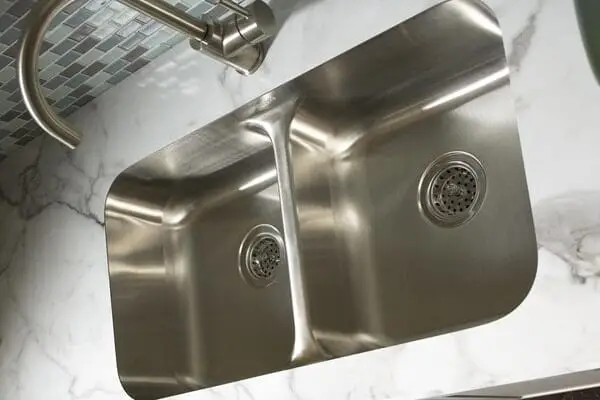
Undermount sinks have become all the rage in today’s age, as they provide a sleek appearance and are easier to keep clean (no ridge means no opportunity for grease and grime to accumulate). Yet, an undermount sink requires a different type of installation than traditional ‘drop-in’ sinks.  Also, undermount sinks work better with certain materials than others. In particular, solid surface materials work best, as they can support the considerable weight of the sink and your not left with exposed edges of unfinished wood around the sink opening. Due to their strength and durability, granite, soapstone, and concrete are all perfect countertop material options for undermount sinks. But what if you have laminate countertops instead? Will you still be able to install a beautiful undermount sink for your kitchen? The answer is a bit complicated. While possible, it’s a complex job that you should leave to a finish carpenter experienced in building laminate countertops. If you attempt to install an undermount sink into your laminate countertops by yourself, you could end up costing yourself thousands in repairs. Read on to learn more about undermount sinks and laminate countertops and how to combine the two successfully. What are Undermount Sinks? In general, there are two types of sinks used in kitchens and bathrooms – drop-in sinks and undermount sinks. The primary difference lies in the installation method. Drop-in sinks get installed by cutting a hole on top of the counter and dropping the sink in, hence the name. Undermount sinks, on the other hand, get installed beneath the countertop and are held in place by an extra-strong adhesive and special mounting brackets. For this reason, it’s critical for the material to be robust enough to support the weight of the sink without causing issues. For an undermount, the sink installs flush into the countertop, not below or above. While this provides a stylish look that’s also easier to clean – it’s what can cause problems with weaker materials, such as laminate countertops. Strength and stability aren’t the only issues laminate countertops have with undermount sinks, either. Laminate countertops contain MDF (medium-density fibreboard) underneath, which is extremely sensitive to moisture. If the MDF gets wet, it will ruin your countertops due to warping (foiling your ability to install an undermount sink in the future, too). So if you’re going to install an undermount sink on a laminate countertop in your kitchen or bathroom, you need to make doubly sure that no moisture can seep through into the MDF. Why are Undermount Sinks Popular? In the past, down-in sinks were virtually everywhere due to their versatility and ease of installation. However, undermount sinks have taken over in recent years due to a variety of attractive benefits they yield to homeowners, including: A superior sense of style. Undermount sinks provide a sleek, streamlined look that’s more modernized than a down-in sink. Many homeowners desire undermount sinks for the visual appeal alone. They’re more hygienic. Drop-in sinks have the unique disadvantage of having silicone bead seals around the edges. Not only are these unsightly, but they’re breeding grounds for bacteria, as they’re notorious for accumulating grease, grime, and dirt. An undermount sink has no such seal, so they’re a far more hygienic option. Clean-up is a breeze. This plays off the previous benefit. Since there’s no seal around the edge, there’s nothing for water/food remaining to get caught on. As such, you can clean your countertops by funneling everything directly into your sink. They add counter space. A drop-in sink will take up more counter space, limiting the area where you can prepare food and store appliances. Undermount sinks are far more compact, so you’ll enjoy more counter space as a result. You can install the faucet anywhere. On a drop-in sink, the faucet can only go in one spot – in the sink basin. With an undermount sink, you’ll experience full faucet freedom. You can choose to install it on the wall, behind the bowl, to the side, or wherever else you please. Those are the main reasons why undermount sinks have dramatically risen in popularity in recent years. Laminate Countertop Concerns As previously stated, laminate is a weaker material than granite or marble – which is why it has trouble supporting an undermount sink. So does that mean there’s no hope for laminate countertop owners with their hearts set on undermount sinks? Not at all, just that there are a few extra steps involved in the process (which will likely require homeowners to rethink their budget). We can’t stress enough that a complicated job like this is best left to professional contractors like us. Attempting to build your own laminate countertops or install a sink with mounting brackets and glue can end in disaster. For instance, if you get the particle board wet, it can warp your countertops and ruin them forever. Concluding Thoughts: Undermount Sink With Laminate Countertops In summary, installing an undermount sink on laminate countertops is possible. While laminate is far from the ideal material to use, it’s still doable with custom laminate countertops and a thin, utterly flat sink. We’ll be completely transparent…. In many cases, it will be more work and cost than it may be worth for you. If properly installing an undermount sink on your laminate countertops is out of your budget, we can recommend looking for good deals on leftover stone countertop pieces and using a standard unmount sink of your choice. Feel free to contact us or call us at 613-727-9427 for a free in-home consultation on your next renovation in Ottawa Gallery of manufacturer’s pictures Website:  Karran.com Link to video on how a stainless steel sink is installed under laminate countertop Link to video on how a solid surface (acrylic) sink is install under laminate countertop

Water Damage in Ottawa

Water Damage in Ottawa? Your Essential Guide to Repair

Did your home incur significant water damage in Ottawa? If so, it’s crucial to act fast – as wet surfaces and materials start to form mold and other severe issues after only 24 hours. As such, you’ll want to assess your damages and begin repairs as soon as possible. If the damage is severe and beyond your scope, don’t hesitate to call our highly trained and experienced team at 613-727-9427, and we’ll hop on your repairs immediately. If the damage is minimal, you may want to know if you can handle the repairs yourself. In that case, you’ve come to the right place – as we’ve prepared an extensive guide to repair water damage in Ottawa. Even if you haven’t experienced water damage in your home, it’s still beneficial to know how to deal with it properly should it occur. There’s quite a bit to know about water damage, and making the wrong move could spell disaster. Conversely, making the right decisions early on will go a long way toward restoring your home to its original state at a reasonable cost. Read on to learn the best practices involved with proper water damage repair. Along the way, we’ll cover: The three different types of water damage Mold inspection tips How to dry everything out What to throw away and what’s safe to keep Restoring and replacing drywall and siding Painting and caulking Knowing when to hire professionals Without further ado, here’s everything you need to know about repairing water damage in Ottawa. Is it Clean, Gray, or Black Water? The Three Types of Water Damage First things first, you need to determine which type of water has contaminated your home. If that sentence makes you scratch your head, you should know that not all water damage is the same. In particular, there are three types of water damage, each with varying degrees of severity. We didn’t just make this up, either. These are official rankings from the Institute of Inspection, Cleaning, and Restoration Certification (IICRC). They are: Clean water Gray water Black water Each has unique requirements for how you approach repairs, so let’s take a closer look at them. Dealing with Clean Water Damage The first and most accessible type of water damage to repair is from clean water – which is the least severe of the three, according to the IICRC. While it may seem nonsensical to refer to water flooding your home as ‘clean,’ it’s more about it being free of raw sewage and toxins, which will wreak even more havoc on your home and belongings. Clean water comes from: Busted pipes Sinks Bathtubs Water supply lines Rain As you can see, these are all ‘clean’ sources of water that don’t contain excessive toxins or raw sewage. As such, this type of water is the easiest to dry up and repair without causing too much lasting damage. If you have clean water damage in Ottawa, you should be able to repair it by yourself relatively quickly. Of course, it will also depend on how much clean water damage your home has incurred. Repairs should be straightforward and pain-free if there’s only an inch or two of water on the ground. Dealing with Gray Water Damage  Next on the IICRC severity scale is gray water – which is water that is slightly dirty or soiled – but not excessively. Gray water has more contaminants than clean water but still lacks raw sewage and severe contaminants. Gray water comes from: Toilets Washing machines Sump pump backups Dishwashers The waste and chemicals in gray water may or may not be directly harmful to humans, but it’s crucial to thoroughly disinfect your home to ensure the contaminants don’t cause problems down the line. You may also need to wear safety gear while repairing gray water damage to protect yourself from hazardous toxins (especially if the gray water came from a sump pump backup). At this point, you can still opt to handle the repairs yourself, but we recommend that you leave it to professionals like our team at RenosGroup. That’s because we’re well versed in cleaning/removing contaminated materials from bathrooms, kitchens, and basements to ensure that we restore your home to its original glory. Dealing with Black Water Damage  Black water is the most severe on the IICRC scale, and for a good reason. Black water contains raw sewage and hazardous toxins that are extremely dangerous. You should by NO MEANS attempt to repair black water damage in Ottawa by yourself. That’s because black water can cause severe health complications if you aren’t wearing the proper safety gear/taking the necessary precautions. The last thing you want is to have to contend with a life-threatening illness while your home is flooded, which is why you should ALWAYS call us at RenosGroup to repair black water damage. How do you know if your home is contaminated with black water? Here’s where black water comes from: Sewers Rising flood waters Seawater River water If your home gets flooded by a sewer overflow or rising river waters, you need to contact professionals for cleanup as soon as possible. Black water contains bacteria, human waste, and other serious contaminants – so your home will need to undergo extensive disinfecting before returning to normal. Your Repair Guide for Water Damage in Ottawa Now that you know about the three types of water damage, it’s time to learn how to repair damage from clean water and gray water. If you suspect the gray water has bacteria or contaminants in it, you should contact professionals for repairs. Yet, if it’s simply some water from a busted toilet, you should be able to handle it by yourself. Like anything else, there’s a right and wrong way to go about repairing water damage, which is why we’ve prepared this guide containing a step-by-step process for getting rid of water damage in Ottawa. Step #1: Inspect for Serious Issues Your first step should be to assess the damage as thoroughly as

Kitchen Remodeling in Ottawa - Lorraine Ave

Kitchen Remodeling in Ottawa: Cabinetry Guide

Whenever we consult with a client about kitchen remodeling in Ottawa, cabinetry is almost always the first subject that pops up, and it’s easy to see why. Your cabinets are often the central focal point of your kitchen, as they’re what catches the eye first. That means the cabinetry you choose will make or break your kitchen depending on their quality, color, finish, and style. The same is true for bathrooms, as well as basements that have guest rooms and kitchenettes. Yet, there’s quite a bit to know when selecting cabinetry for your home. Hundreds of designs, styles, materials, and finishes exist. You’ll also need to consider your budget and the overall feel you want your kitchen, basement, or bathroom to have. Considering this, we’ve compiled this extensive purchasing guide for kitchen cabinets. That way, you’ll know exactly what to ask for when consulting with a kitchen contractor in Ottawa – including a realistic price range, so you don’t exceed your budget. Stick around to learn everything you need to know about buying cabinets for your basement, bathroom, or kitchen remodeling in Ottawa. The Different Types of Cabinets First, it’s essential to familiarize yourself with the different types of cabinetry to determine your needs. Regarding kitchens, the design typically consists of base cabinets, wall cabinets, and pantry cabinets. The most popular bathroom options are Vanities, shaker-style, and louvered cabinets. Basements tend to feature wall cabinets and ample storage cabinets – but they can also feature base cabinets and pantries if they have a kitchenette. To discover what will work best for your renovation project, let’s take a more detailed look at each cabinet type. Base Cabinets Base cabinets serve two purposes; to provide storage space and to serve as a foundation for your kitchen’s countertop or sink. For countertops featuring materials like granite or marble, base cabinetry needs extra reinforcement to provide proper support. Kitchen sinks are also heavy and require a strong foundation, which is where base cabinets come into play. They hold up your sinks and countertops so you can work at standing height and provide convenient storage space for appliances, cleaning supplies, and more. In particular, there are two types of base cabinets: Sink base cabinets. These cabinets are specifically designed to support a kitchen sink – which is why they have an open back and a false drawer in front (it’s to work around your plumbing without drawing attention to it). They also provide storage space, and they come in a wide variety of colors and styles. Corner cabinets. These are the cabinets that occupy the corners of your counter space. Several types of corner cabinets help you get the most out of your kitchen. Blind cabinets feature half a standard cabinet, with the other half being the corner of the adjacent cabinet. Lazy susan cabinets have rotating bases so you can easily access items in the back. On average, base cabinets are around 24-inches deep with a few different options for width. Without a countertop, they average 34 inches in height. With a countertop, it jumps up to 35 to 36 inches. Wall Cabinets As the name implies, wall cabinets mount to the walls in your kitchen. Since they’re up high, these cabinets matter the most for visual appeal. They’re the focal point of the entire room, so it’s imperative to select the right style and material for them. They come in various heights and widths, as some wall cabinets are shorter and hover over appliances like microwaves and refrigerators. Others are taller and typically reach up to 40″ inches in height. Most wall cabinets feature adjustable shelves, with the height determining the number of shelves you can have. Depending on the width of the cabinets, they can be a single door, double door, or even triple door if there’s enough room. Like base cabinets, there are also corner wall cabinets – the most popular type being angled corner cabinets. They’re typically 12-inches deep and 12 to 42-inches wide. There are many ways that we can add visual flair to your wall cabinets through our Ottawa kitchen remodeling, such as: LED lighting arrangements Artistic glass inserts Decorative framing and door designs It’s also possible to raise or lower wall cabinets for accessibility reasons. Pantry Cabinets for Ottawa Kitchen Remodeling Pantries start at the floor and are usually quite tall. Typical heights range from 84-inches to 96-inches, with widths ranging from 12 to 36-inches. Besides serving as a pantry, these tall cabinets also work as a way to house wall ovens and refrigeration units. Yet, the most common use is as a pantry, and they usually have two doors and up to three adjustable shelves. A pantry is necessary for any Ottawa kitchen remodel, as you want plenty of room to store all your non-perishable (and perishable) food items. Without one, you likely won’t have enough storage space for all your food, which leads to unsightly clutter (such as cereal boxes stacked on top of the fridge). It’s common for pantries to have top and bottom sections. The top has three adjustable shelves, and the bottom is either open or has more storage options like pull out shelves. Shaker-Style Cabinets In our experience with Ottawa kitchen remodeling, shaker-style cabinets are among the most popular for both kitchens and bathrooms. They provide a timeless appeal that never goes out of style and work great for achieving the farmhouse kitchen look. A shaker-style cabinet features five components: Two stiles Two rails A recessed panel in the middle Shakers mix well with glass inserts, and it’s easy to spruce them up with millwork to add some visual flair. Glass-Front Cabinets Do you want to add ritz and sophistication to your kitchen cabinetry? If so, there’s no better way than by adding glass-front cabinets. They’re popular for wall cabinets, base cabinets, and cabinets under kitchen islands. While you probably don’t want to use glass-front cabinets for every cabinet, it looks stylish to mix and match. In particular, glass-front cabinets

Guide to Carpentry in Ottawa

An Extensive Guide to Carpentry in Ottawa

If you want to renovate your home, the chances are high you’ll need to find skilled carpentry in Ottawa.   Carpenters are involved in everything from building custom cabinets to doors and window frames. If you’re seeking quality renovations, you’ll need to know a bit about the basics of carpentry. This knowledge will help you find and hire the best contractor in your area (as well as the right specialty.) It may not seem like there’s much to it. Yet, carpentry is an expansive field that’s as old as time. You’ll need to know about carpentry’s essential skills, specialties, and training. That’ll help narrow down the search when looking for a carpenter in Ottawa. If you don’t take it seriously and hire a cheap/unskilled carpenter – your results will look less than stellar. That’s why it’s worth learning more about carpentry to ensure your renovations come out looking fantastic. Finding a skilled carpenter will also help you save money in the long run since you won’t have to pay for expensive repairs to fix mistakes.  Here’s an example of what we mean, does your project need a farmworker, framer, or cabinet maker? If you aren’t sure, you’ll need to do a little homework first to avoid wasting your money. Luckily, we’ve prepared this handy carpentry guide to fill you in on everything. Nailing the Basics: What is Carpentry? Let’s begin with a plain English definition of carpentry. It’s the art of working with wood to construct buildings, frames, and other objects. Woodworking and joinery also fall under the umbrella of carpentry. Here’s a breakdown of their subtle differences: Carpentry is a trade that strictly uses wood for construction. It primarily refers to the construction of buildings with timber. Woodworking is the craft side of carpentry, such as constructing cabinets and furniture. Joinery is constructing frames and panels by creating and installing fittings. There are carpenters, woodworkers, and joiners to go along with these crafts. (That’s not to mention the different specialties within each, but more on that later.) Let’s consider a few examples to make things easier to understand. In example #1, you need a professional to construct a custom nightstand for you. Would you need: A.) A carpenter B.) A woodworker C.) A joiner If you guessed B.), you’re correct. Woodworkers specialize in handcrafting furniture, cabinets, and other wooden objects. As such, if you want a custom nightstand, you need to call a talented woodworker. A joiner or a carpenter won’t have the necessary skills – unless they moonlight as a woodworker. In example #2, you need someone to construct an entire shed in your backyard. Would you need: A.) A carpenter B.) A woodworker C.) A joiner In this scenario, A.) is the correct choice. A carpenter will have the skills and wherewithal to construct the entire shed on-site. A woodworker lacks the know-how to build a building from scratch. Instead, they focus on creating objects and furniture. All right, in example #3, you need someone to build a new window frame for you. Would you need: A.) A carpenter B.) A woodworker C.) A joiner The answer is C.), as a joiner constructs frames, doors, and other joinings. They tend to work isolated in their shops and don’t work on location. By now – you should have a better understanding of the difference between the three crafts. While they’re all technically forms of carpentry – there are tiny differences – as these examples have shown. Carpentry in Ottawa – Basement Framing in Orleans The Different Types of Carpentry Within carpentry, there are various styles and specialties. In particular, there are two primary types of carpentry that we’ll focus on in this section. They are rough carpentry and finish carpentry. Here’s a detailed breakdown of both. Rough Carpentry If the carpentry work doesn’t need a brilliant finish, there’s no need to waste time and money applying one. For instance, if walls and paint hide the carpentry work – a rough job will suffice. This type of work is rough carpentry, and it’s more about doing quality work than making it look pretty. Most of the time, rough carpentry refers to structural work. Structural carpenters erect rafters, posts, and beams for a new building. With this type of work, efficiency and sturdiness are what matter most. There’s no need to make the rafters and beams aesthetically pleasing – as no one will see them. Rough carpenters find lots of work in roofing and framing new buildings. A structural carpenter puts together the skeleton of a building. They also have to pay close attention to safety codes and regulations. Remember, if you’re after a visually pleasing job, you don’t need a rough or structural carpenter. You will need one if you’re constructing a new building and need a solid foundation for it. Finish Carpentry A finish carpenter is the polar opposite of a structural carpenter. Finish carpentry is all the work that will be visible once a building gets completed. That’s why finish carpenters put a lot more effort into making their work look excellent. Finish carpenters boast great attention to detail. They install trim, molding, decks, staircases, and so much more. If you want a carpenter to build an elegant staircase with a stunning finish – you need a finish carpenter. They will go to great efforts to make their work look outstanding. For constructing a new building, you’ll need rough carpenters and finish carpenters. The rough carpenters knock out the foundation, while the finish carpenters make it look pretty. You’ll want to hire both if you’re constructing a building from scratch. Trim Carpentry Is your Ottawa home in need of a new fireplace mantle? If so, you’ll want to give a trim carpenter in Ottawa a call. They specialize in creating wood trims and moldings for homes. That includes fireplace mantles, ornamental trim, skirting boards, and so much more. Other types of carpenters may not be as familiar with installing trim, so it’s best to use a trim