Home Improvements That Pay Off When You Sell
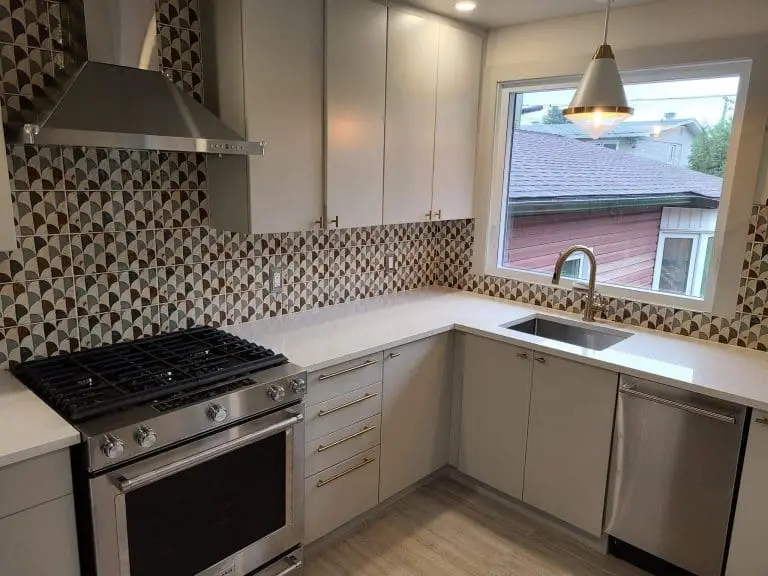
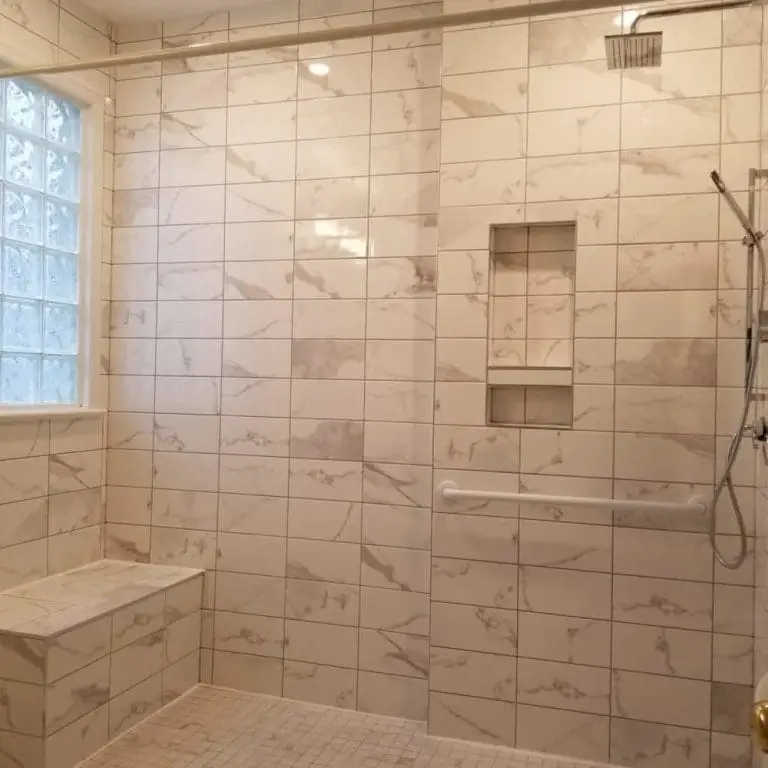
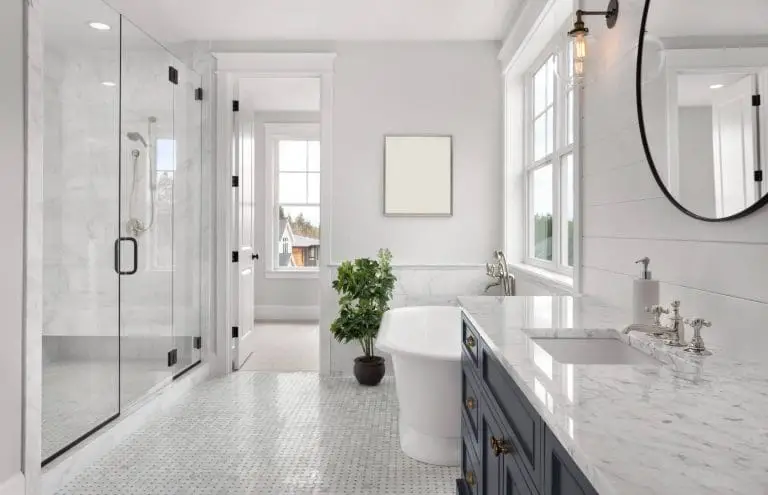
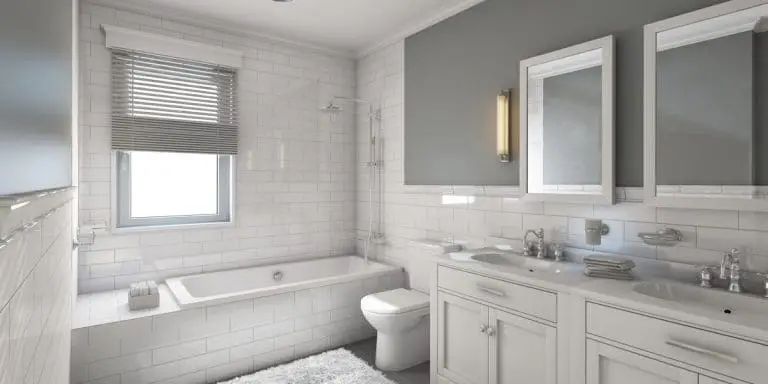
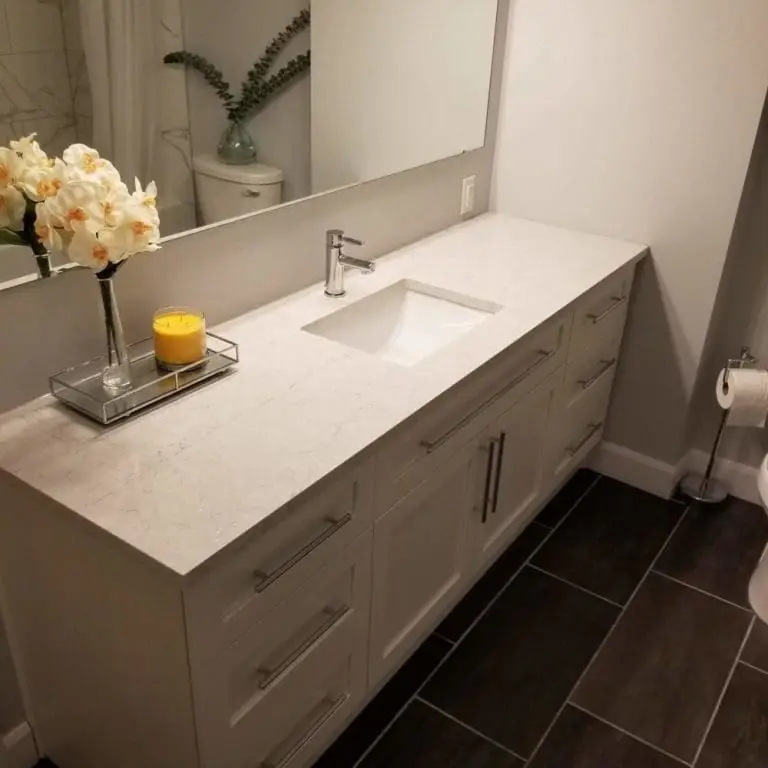
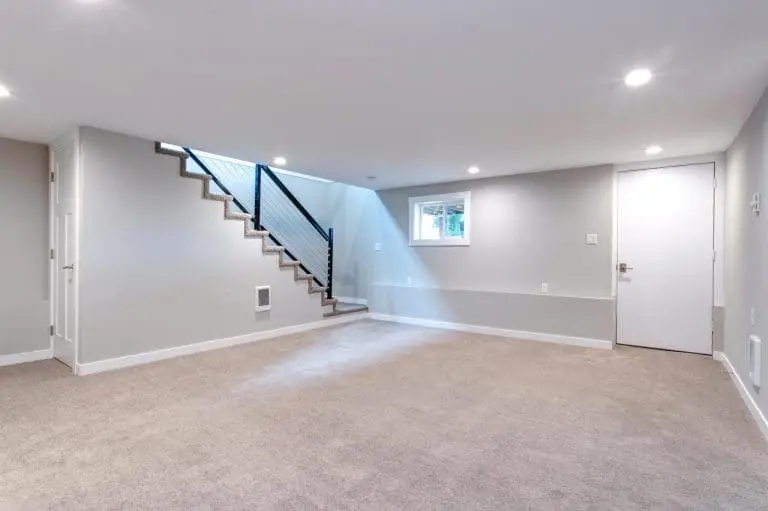
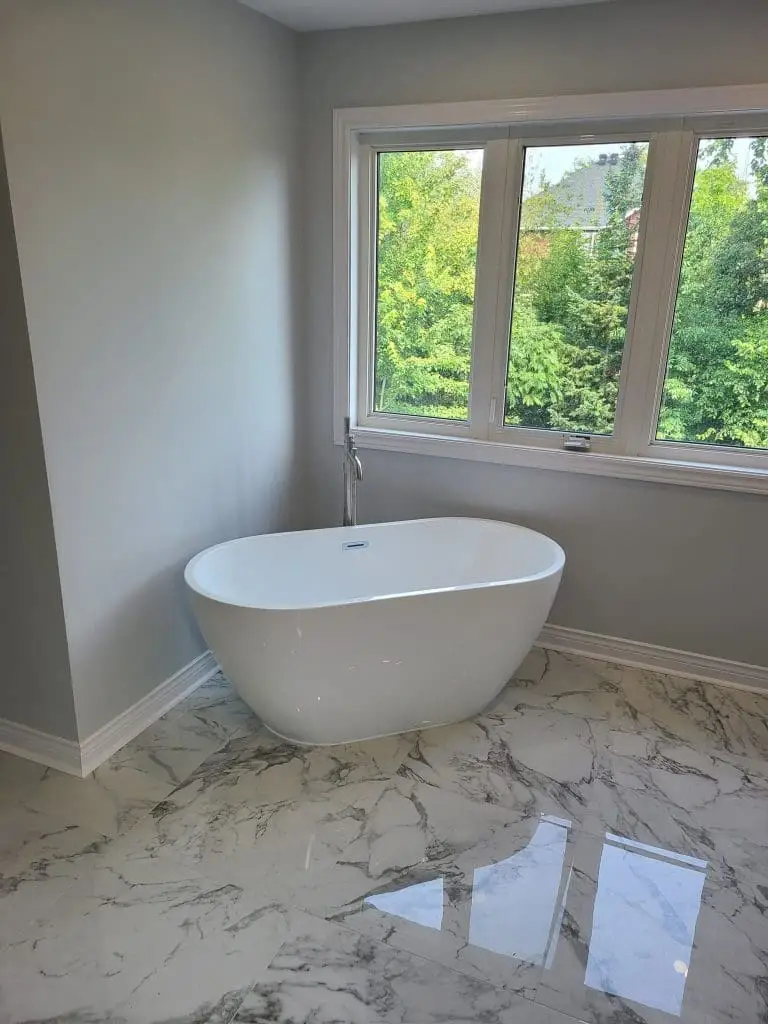
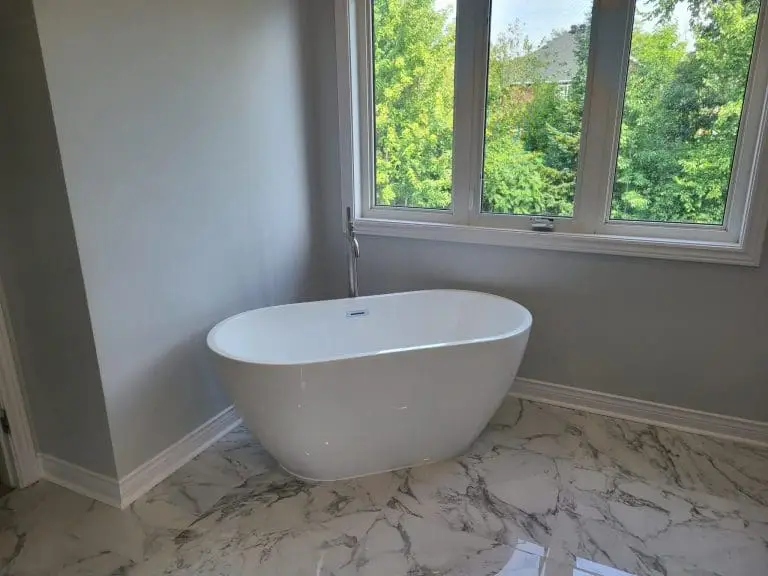
If you’re thinking about selling your home, there are a few things you can do to increase its value and make it more appealing to buyers. By making some strategic home improvements, you can recoup your investment and even turn a profit. Here are seven home improvements that will help you sell your home for top dollar. 1. Kitchen Remodel A kitchen remodel is one of the most effective ways to increase your home’s value. A well-designed kitchen with high-end appliances and finishes will appeal to buyers and help you fetch a higher price. Even if you don’t have the budget for a complete gut renovation, making smaller changes like painting the cabinets, installing new countertops, or upgrading the lighting can make a big difference. Beyond the visual appeal, kitchens with convenient layouts will catch the eye of buyers, especially if they enjoy preparing their own meals. Add-ons like islands, cabinets, and open shelves provide more options for storage space, which is great for buyers with lots of cooking utensils and appliances. The positioning also matters here, as you’ll want to ensure you have everything you need to cook a meal right in front of you. If you have to make six 180s just to put together a grilled cheese sandwich, opting for a more practical layout will generate more interest from home buyers – not to mention it will make your life easier before you sell. It is possible to go a bit overboard with upgrading your kitchen, which may end up having the opposite effect than you intended. If you go with a mega-sized refrigerator and top-tier garbage disposal, the cost may rise higher than most buyers are willing to pay (of course, this is entirely up to you, as if you do find a buyer, you’ll end up selling your home for more). Your best bet to get the most bang for your buck is to renovate your kitchen with high-end appliances, cheery lighting, and an optimized design to make preparing meals a breeze. 2. Bathroom Remodel Like the kitchen, bathrooms are another important selling point for potential buyers. A bathroom remodel can be relatively simple and inexpensive, but it will make a big impact on buyers. If your bathroom is outdated or in need of repairs, consider renovating it before putting your home on the market. Above all else, bathrooms should feel clean and pleasant. Sometimes, a refresh is all a bathroom needs. What’s that? A bathroom refresh is where you make several essential touch-ups to reinvigorate your bathroom. This includes things like a fresh coat of paint, a new vanity or mirror, and replacing busted towel racks. Other times, a more extensive renovation is necessary to make your bathrooms attractive to the market. The lighting in your bathroom can make a huge difference to some buyers, especially those that enjoy unwinding by soaking in a dimly lit tub. Adding a light dimmer is always a good idea, as is experimenting with different lighting combinations. If your bathrooms are tinier than a broom closet, adding more space with an addition or by moving around your sink and tub will help boost their appeal. While a tiny bathroom in connecting areas is fine, it’s better to have larger bathrooms in major areas, especially the master bedroom. Home buyers won’t like to see older-style toilets, so you should update them if they’re ancient. That’s because older toilets waste much more water, leading to a larger bill. Modern toilets are more efficient and save water, so it’s always wise to retrofit your bathrooms. 3. Finished basement A finished basement is a great way to add extra living space to your home without having to build an addition. If your basement is currently unfinished, consider finishing it with drywall, flooring, and lighting fixtures. You could also add a bathroom or wet bar to make it even more appealing to buyers. An unfinished basement is wasted potential, as it’s part of your home’s square footage that you aren’t using. After all, you have to pay 100% of your mortgage, so why not use 100% of the space you have available? The best part is you can essentially add a brand-new room to your home without having to construct an addition. Would-be homeowners want to see your basement put to good use, and you have so many options. You could transform your basement into a kid’s playroom, a guest suite, a movie theater, or even a second living room. New homeowners love guest rooms, and having one will instantly make your home more valuable. There’s another benefit to transforming your basement into an extra bedroom besides increasing your property value – as it can generate passive income for you. By renting out your basement bedroom on platforms like Airbnb, your spare bedroom can make money for you before it’s time to pack up and sell your house. That’s not to mention that basements also make excellent wine cellars, man caves, and libraries. Not only will finishing your basement make your property value skyrocket, but it will also provide you with a great new space to enjoy in the time before you sell. If your basement is really exciting and attention-grabbing, you may start an all-out bidding war – which is 100x better than home buyers deciding without taking a second thought to skip on your property due to an unfinished basement. 4. Deck or Patio More home improvements…If your home doesn’t have an outdoor living space, now is the time to create one. Adding a deck or patio is a great way to add extra square footage to your home and make it more enjoyable for entertaining guests. And since many buyers place a premium on homes with outdoor living spaces, you’re likely to see a return on your investment when you sell. There are many ways to create an exciting outdoor space with your new patio or deck – and they don’t all involve going into debt. For instance, creative