Renovations Blog

Stay updated with our renovations blog for tips, trends, and expert advice on remodeling projects.

Renovating a Historic Home

Renovating a Historic Home

When it comes to historic homes, there really is no comparison to the charm and character many of them exude. Whether it’s an elegant Victorian in The Glebe, a turn-of-the-century row house in the ByWard Market or a timeless country home in Manotick, it’s no surprise how many home buyers are drawn to those alluring designs. But with age also comes the weathered infrastructure and repairs that they require.  If you’re in the market for a historic home or have recently purchased one, here’s what you need to know about renovating a historic home Time and Money If that newly purchased home requires a significant amount of repairs, especially to the exterior, finding matching designs and materials can be a hefty challenge and expense. Those crumbling carvings on that stone exterior may be a selling feature to you, but you could be left with having to tear it down anyway, while spending more time and money than you anticipated. Replacing the Windows Windows are never a small expenditure. And of course, unless you know they’ve been recently updated and replaced, chances are they could be as – or nearly as old – as the house itself. With dated windows, you can bet those cold drafts and heating bills won’t be subtle. So that means upgrading each and every unusually shaped window frame to the more modern, expensive, and energy efficient ones. Unexpected Repairs Charm and character aside, let’s face it – when it comes to older homes, they can be very unpredictable when it comes to sudden repairs and issues that will require more attention and money. Expect to face the unexpected as things may not always go as you planned. Older homes have a way or gradually causing the kind of surprises no one enjoys waking up to, especially issues with plumbing, electrical, the foundation, or the roof. Limitations on Redesigning If you’re keen on the size and location of your historic home, but have plans to redesign the exterior, you could end up facing a lot of red tape and delays. Many historic buildings and home are protected under by-laws for preservation purposes. So always ensure you know what type of limitations and restrictions you’re facing before jumping into that purchase or demolition. As part of its heritage conservation efforts, the City of Ottawa has targeted some 3,500 properties for preservation. In order to make changes to an historic home, you must apply for a permit under the Ontario Heritage Act, write a Cultural Heritage Impact statement, submit detailed plans, and apply for other approvals and permits. This goes for whole home demolition, but it also applies to the “construction of additions, window replacement, partial demolition, and porch replacement or restoration.” Newly built, modern homes are certainly not everyone’s dream home design. For many homeowners, having an old building with historic roots outweighs the benefits of modern convenience any day. But don’t let all of the old-world charm blind you from the reality of owning an old home and the challenges you may face. Always make sure that you know the details of the infrastructure what exactly you’re buying into. At RenosGroup.ca, we can help guide you through the process of renovating a historic home and deal with all the red tape. Schedule an in-home consultation today!  Or give us a call at (613)727-9427

Read More »
Surviving Your Home Remodel Project

Surviving Your Home Remodel Project

The thought of renovating your home can bring out a mixture of emotions. One emotion sure to make an appearance is frustration! How the heck are you supposed to live a somewhat normal life when your kitchen is scraped back to the bones, there’s a poorly hung curtain acting as your bathroom door and you can’t tell your bedroom from your living room? It sounds like a disaster zone, but really it’s just a temporary setback in your comfort for the luxury of having an amazing post-reno home. Here are some tips for surviving your home remodel project. Determine What Will Be Your Living Space If you are remodeling bedrooms or the living room area, it’s especially important to designate another part of the house as your “no reno zone” where you will do most of your living. Yes this may mean that you sleep on a mattress in the kids play room, or that you are watching your television in the dining room next to some construction equipment. However you are able to do it, be sure to designate a construction escape zone where you can rest in peace. Don’t Stress About Eating Too Much Takeout There is enough to stress about when living through a home reno, so the level of takeout should not be one of them. If you are renovating your kitchen it only makes sense that your meals are going to have to be supplied elsewhere. Try to be easy on your wallets, but don’t feel bad if you have pizza three times a week. It’s not forever, soon you will be cooking in style. Be as Easygoing as Possible This may be the hardest thing to remember for some people. Home renovations are extremely stressful and things can pop up along the way to add to that stress. It’s important to remain as calm, cool, and collected as possible throughout the process and to not stress about things that are out of your control. There will be dust everywhere, there will be equipment and materials all over the place and there will be a constant level of disorganization in your life. If you can manage to be easy breezy through the process it will make things a lot easier on you, mentally speaking. Budget Accordingly It’s important to have extra money available for emergencies that come up throughout the home renovation process. There might be reason for additional repairs as walls get taken down or plumbing is closely examined and this can be very stressful if you have already maxed out your budget on the initial plan. Having a contingency set up will save you heartache and stress along the way. Enjoy a smooth, stress-free renovation process – and a jaw-dropping final result – with RenosGroup.ca, your #1 choice for bathroom, kitchen, and basement renovations, mobility renovations, and home additions.  Contact us, or give us a call at (613)727-9427

Read More »
5 Ideas for an Amazing Basement Office

5 Ideas for an Amazing Basement Office

There are all kinds of different projects you can tackle when you start to look into ways to transform your basement. Some of them will immediately interest you whereas others may not be all that appealing. On top of that, basement transformation projects can cost a pretty penny without proper planning and organization. Of all the basement transformation projects out there, from home theatres to income suites, one of the most popular and wise investments is to turn your basement from a dark and dingy space into a fantastic office. To help you with this kind of project, we’ve put together five ideas that you’ll want to contemplate integrating into your Ottawa basement renovation project. Build a Basement Office/Bedroom Space If you want to make the most of the real estate that you have in your home, it’s always a good idea to create “multipurpose spaces” – and that means creating a basement office that has room for friends or family to sleep over. If you create a guest room only, chances are that space will go unused most of the time. Create a True Business Office Feel A lot of basement offices feel exactly like that – like an office that has been pigeonholed into the basement – and that isn’t always the most conducive environment for productive work. Think instead about constructing a business office that looks EXACTLY like your dream corner office in that Manhattan high-rise and you’ll find yourself getting a lot more quality work done than you ever would have in a more traditional space. No one says a basement office has to feel like a basement office. Lighting, Lighting, Lighting It’s been proven time and time again that the lighting you have in a space directly impacts your productivity and your mood. Unfortunately, you aren’t going to be getting that much natural light working below ground in a basement! Use quality lighting fixtures, dimmable lights, and other lighting options that give you complete and total control over the light in your space and you’ll be able to dial it to the ideal setting during your working hours. Climate Control is Critical Basements are usually quite a bit cooler than the upstairs space during the summer so you can usually save big time on your air-conditioning bills. They should have climate control technology built right into them so that you hit the perfect temperature and humidity level without any difficulty at all. Think About Adding a Mini Fridge Don’t be shy about throwing a mini fridge into your basement office. Even though you’re only down a single floor from your kitchen, you want to be able to have drinks quick at hand so that you don’t have to slow down your productivity or break your flow by trudging upstairs. Nothing beats grabbing a quick drink to fire you up when you’re running a little low on energy! Are you interested in a basement renovation? RenosGroup.ca is here to help with expert results. Get a free estimate today!  Or give us a call at (613)727-9427

Read More »
What Should You Leave to the Pros

What Should You Leave to the Pros?

The do-it-yourself (DIY) spirit is alive and well in Canada as homeowners from coast to coast take on repair work by themselves. It’s easy to see why – we’ve all watched a YouTube video or sat through a reality TV marathon and thought, how hard could that be? Repainting walls, changing cabinet hardware – these are all great little tasks that can transform the look of your home without breaking the bank. However, there are a few things that you should probably not do on your own because they are dangerous or too hard to get right. With that in mind, we have compiled a list of what should you leave to pros instead of attempting yourself. Let’s begin. Bathrooms Whether you are building or renovating a bathroom, you will want expert help. What makes bathrooms particularly challenging is the plumbing. It is far too easy to make a mistake when it comes to plumbing. Whether it occurs at that moment or a few months later, improperly installed plumbing can lead to significant water damage that will cost an order of magnitude more to repair than hiring a professional in the first place. Whether you have the review your design for errors or have them design the bathroom from the ground up, plumbing is something you want to leave to the pros. Expensive Materials The materials we use in a room lend their charm to how we see the space. It is no wonder then that we prize expensive materials for home decoration. Some of the most expensive and most common materials to work with include marble and granite countertops.  You can benefit a great deal from having a professional do the measurements and install the materials. Along with covering the costs of things like mistakes, you will know for sure that the installation was done correctly and that there is no worry about premature wear and tear. Contractors can also leverage relationships with trade partners to get you the best possible prices on high-quality building materials. Electrical Along with plumbing, electrical is generally considered one of the two things that DIY people should steer clear of. Having your home wired correctly is critical to ensuring that power gets to where it needs to go. The power has to be able to handle a certain load without becoming overworked. If set up incorrectly, parts of the grid can become overloaded and you risk have electrical fires occur. The risk of electrocution is also very real if you do not know what you are doing. For the sake of insurance, you may need to prove that the source of the damage resulted from professional work and not a DIY job. DIY home improvement is a great thing, but it’s important to know when to bring in the pros. If electrical, plumbing, structural, or mechanical work is involved, call in a contractor. Even better, work with a contractor from the beginning. You can lend a hand as needed with demolition and little jobs to help reduce the bill, or you can sit back and let the pros demonstrate their expertise and create a new oasis at home.  Contact us, or give us a call at (613)727-9427

Read More »
Is Open Concept Living Right For You?

Is Open Concept Living Right For You?

The past few decad have seen a number of exciting interior design trends. Along with larger kitchens and renovated bathrooms, many people have turned to the open concept living space. Designed to knock down walls and create a sense of space where there previously was separation, the open concept living approach has its own set of pros and cons. Is open concept living right for you? Let’s take a moment to find out. What is an Open Concept Living Space? Open concept living is based on the philosophy of open space. It tears down unnecessary walls, creating unbroken sight lines from one side of the home to another. It is most commonly done with the kitchen, living room, and dining room. Open concept living is popular because it makes spaces appear bigger. They are fantastic when you have smaller apartments or townhouses. They aid in opening up a small space and making it feel airier. It can also be great for parties. The open design allows people in all major rooms to talk to one another. Open concept living is great when you need to watch kids, or otherwise see other parts of the house with ease. It is a great thing to do if you want a space to appear larger and more open. The downside to open concept living is that it means a lack of privacy. Sound attenuation can be a problem, as well. It is until you live in an open concept design that you begin to appreciate separation when you’re trying to watch the big game and all you hear is the sound of the faucet running. There is also the issue of decoration that many people struggle with. You may need to take some time and find the right furniture and layout to make the space feel both open and comfortable. Is Open Concept Living Right For You? First, consider the space you have available. Are the walls load baring or can they be knocked down? If the wall is load bearing, you absolutely must bring in a contractor to install a load-bearing beam – the integrity of your home is at risk if not. Consider what removing a wall would do in terms of the overall aesthetic. If you feel up to having fun with the space and things feel too tight as it is, then you will want an open concept living space. If not, then consider leaving things the way they are and save yourself the money. If nothing else, try to experience such a space for yourself to see whether or not you like it.  Contact us, or give us a call at (613)727-9427

Read More »
5 Summer Design Trends

5 Summer Design Trends

Interested in new design trends for your home this summer? You are not alone! Every year new and exciting changes happen to how we approach interior design. Below we list five exciting design trends that you should consider as we enter the home renovation season. You may be surprised at some of the trends interior decorators are working on right now. 1. The Fireplace In the past few years, it was all about incorporated technology into the living room. This year, the most recent summer design trend is to shy away from technology completely and emphasize the fireplace instead. Doing so creates a central point to the entire living room that is cozy and heartwarming. Akin to Frank Lloyd Wright’s use of the fireplace as the focal point to the house, the re-emphasis on the fireplace is critical. 2. Bathroom Mirrors That “Wow” Every year, different parts of the home become the “statement piece.” A popular statement piece for this year includes the bathroom. In particular, the mirror is turning into a popular statement piece. Shaped akin to other objects in the wallpaper, tiling, or more, the bathroom is a great place to add a little fun. 3. The Return of the Dining Room Formal dining rooms are making a popular return. With space in a home dedicated to eating and enjoying one another’s company, the dining room is increasing in popularity as people convert back the space. While most people typically turn them into offices, there has been a return to the eating space in the most recent summer design trends. 4. Strategically Heated Flooring More recently bathrooms have become the battleground for heated floors. Considered a luxury and a must by anyone who experiences them, the heated floors have turned out to be quite popular. The most recent summer design trend take on this is heated entryways. The toasty floor helps you to warm up your feet and keep what is typically the coldest part of your home nice and comfortable. Now you may be thinking: “heated floors in the summer?” But the frosty fall and winter months are just around the corner and you want to be prepared! 5. The Retro Kitchen Typically in brighter and more exuberant colours, the retro kitchen has exploded in popularity as a leading design for this summer. Utilizing a mix of creativity, 50s inspired appliance, and more, the retro kitchen provides a classic feel that is jaw dropping. The retro kitchen includes making changes to the cabinets and stepping away from the stainless steel trend that has dominated kitchen design in the past few years. Look to experienced interior designers and vintage magazines to help inspire where you take this trend. Whether you have a design vision in mind or need a little inspiration, RenosGroup.ca is here to help! We specialize in bathroom renovations, kitchen remodeling, and home additions to transform the look, feel, and function of your home.  Contact us, or give us a call at (613)727-9427

Read More »
Converting the Attic into a Bedroom

Converting the Attic into a Bedroom

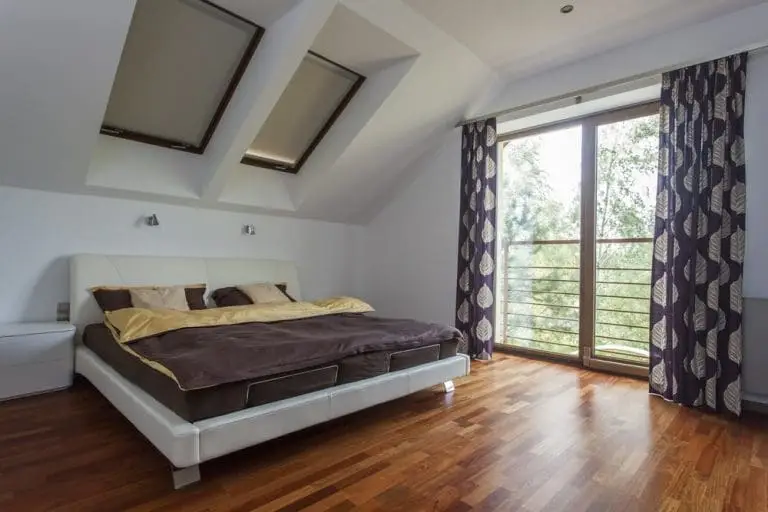
Are you converting the Attic into a Bedroom? As a homeowner, there are inevitably going to be points in your life where you wish you had more space. Perhaps you have welcomed a new baby to the family, perhaps you have picked up a new hobby with lots of equipment, or maybe your belongings just keep multiplying with no explanation. You could move or build an addition, but often homeowners prefer to find options within the home to make use of every last square foot. Not every home has an attic, and not every home with an attic has that can be converted into usable space. If you are one of the lucky few, you can benefit from a renovation project to transform that dusty unused space into a gorgeous yet cost-effective bedroom. If you are going to be converting your attic space into a bedroom and want to make sure that you’re able to do so quickly, effectively, and without having to have a gigantic budget, you want to pay attention to all of the inside information we have to offer you below. Use the Space Intelligently The biggest mistake that you could ever make when you are looking to convert your attic into a bedroom is to try and pigeonhole your ideal layout into a floorplan or a footprint that simply isn’t practical. By really thinking about how you can use the space intelligently – working with any design limitations or interesting architectural details rather than trying to eliminate them altogether – you will be able to really streamline the project and create a truly unique space. Consider Your Limitations and Transform Them into Strengths It is always important to consider any and all limitations that you may be dealing with at any one particular point in time when you are dealing with a construction project, but it’s always important to consider your limitations – and overcome those limitations – when it is time to convert your attic into a bedroom. You will inevitably have to deal with all kinds of interesting architectural features (low hanging ceilings are always going to be a problem in the attic), but with a little bit of creativity you shouldn’t have too terribly much trouble overcoming those issues and creating a bedroom space that is something even more special than what could have been created in a more traditional layout. Find new ways to make storage work, utilize all available floor area, and consider taking advantage of “built-in” style furniture in storage pieces to create open and roomy spaces in attics that are anything but that! With just a little bit of extra effort – and some creativity – you will be sure of creating your dream bedroom in your attic with no difficulty whatsoever. To help plan the perfect attic renovation project and make the most of the opportunity, RenosGroup.ca is here to help!  Contact us, or give us a call at (613)727-9427

Read More »
4 Priorities when Building a Custom Home

4 Priorities when Building a Custom Home

Building a custom home can be one of the most exciting projects you ever invest in – but it can also be one of the scariest. Don’t let stress overwhelm your excitement. If you’re interested in building a custom home, consider these important priorities before you take that next step. Choose a Reputable Contractor Nothing is more important than being able to trust the hands that will be constructing your dream home. A custom home is so much more than a bathroom remodel or a weekend renovation project, so it demands a lot of research and investigation. Do your homework and time your time when choosing a home builder. Search online, talk to family and friends, and consult with other pros in the industry to get their expert opinion. You want to ensure that whoever will be conducting the show has the proper set of skills, knowledge, and trade partners to do the job right. Investing time and research for selecting a reputable contractor will give you piece of mind and help avoid any potentially detrimental mistakes in the long run. Meet with several builders in person. Ask for references and examples of past work. Do you get a good vibe from the builder? Remember, building a custom home is going to be a long process that takes cooperation and communication, so you want to gel with the builder in addition to trusting their qualifications. Use Your Contractor Right From the Get Go Once you’ve hired someone you feel confident with, use their knowledge and experience right from the beginning. Involve them in the major decisions, such as selection of location and property. They have invaluable information that can help guide you in selecting a property that can save you time and money. Discuss design plans with them before you make final decisions so that they can determine what may or may not be realistic before you get your heart set on an idea. List Your Priorities Mapping out a list of what your needs and priorities will be throughout the design will help your contractor – and ultimately, you – make tough decisions when necessary, and allow you to adjust and develop your budget accordingly. Since you are investing a significant sum of money in customizing your home, be sure to consider not only your present needs, but also future needs. Think about the prospect of having children, or even when you’re elderly and can’t climb those stairs like you used to. Flexibility is important! Create a Budget After you’ve made a list of what the priorities will be throughout the design, the next step is creating a detailed budget for the project. The sky is the limit in terms of possibilities, but keep in mind that exotic, elaborate designs come with a matching price tag. Fortunately, at RenosGroup.ca we pride ourselves on transparent pricing, we leverage the best possible quotes from our trade partners and suppliers. Consult with your contractor during this process and always leave some extra wiggle room for those unexpected expenses. If you’re planning to build a custom home in the Ottawa area, consider these priorities before you get started. Do your research and find the right contractor so that you can avoid any headaches, and feel confident about investing in your future.  Contact us, or give us a call at (613)727-9427

Read More »
Remodeling the Laundry Room

Remodeling the Laundry Room

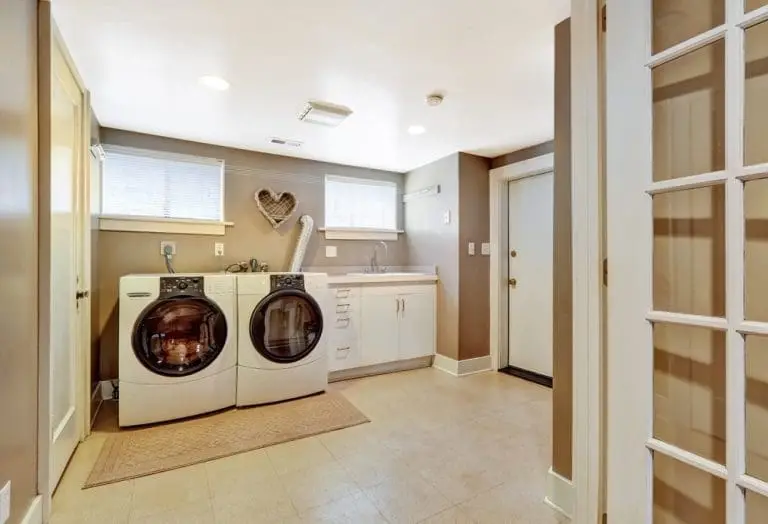
Let’s be honest, we don’t think about the laundry room much. For many homeowners, if it’s not a stacked washer/dryer crammed into a linen closet, it’s a dark, dingy room with bare floors, exposed walls, and zero charm. If you’re planning a home renovation project, why not incorporate a laundry room upgrade, too? Location, Location, Location First things first, a laundry room doesn’t by default need to be in the basement. Ask yourself what location makes the most sense for your family. Does it make sense to have it upstairs so you can throw in dirty clothes right away and not have to haul loads of laundry up and down the stairs? On the main floor so you can sort and fold while keeping a watchful eye on the kids (bonus: a main floor laundry room can double as a mudroom)? Or do you want a custom-designed laundry room in the basement with all the storage you could ever need? Creative Laundry Room Ideas Who says a laundry room has be a dark, lifeless space? Consider incorporating some of the following ideas: Window to the world. If you have a main floor laundry, why not place it near a window? Bring life to the space with plants and tasteful décor. Let there be light. Task lighting Utility sink. Every laundry room needs a sink, but it can also be a mucky sink where kids can wash hands after playing outside, you can clean your gardening tools, or you can rinse sports gear before heading inside. Hanging rod. This is a cheap and useful addition to any laundry room. Use it air-dry delicates and hang shirts so they don’t get wrinkled after drying. Cupboards can be used to hide away detergents, bleach and other washing accessories that need to be hidden away from the kids. Cabinets help keep the look of your laundry room clean by tucking away hampers, the ironing board, and much more. Material Choice When it comes to flooring, water resistance is the key. The last thing you want in the unfortunate case of a washing machine leak is to ruin the floor. Stone, slate, or ceramic tiles are great choices, while vinyl is a budget-friendly alternative. For countertops, consider concrete or stainless steel. Cupboard/cabinet material is entirely up to your style choice. These are just a few options. You can design and remodel your laundry room as you like. Just let your creative instincts guide you, or talk to the Ottawa renovation pros at RenosGroup to learn more.  Contact us, or give us a call at (613)727-9427

Read More »
How to Pay for Your Home Renovation

How to Pay for Your Home Renovation

Why do you want to plan a home renovation? To add more space to your home? Add resale value to your home? Make it more functional? More energy efficient? Or does the space simply need a style makeover? Whatever the reason, it is likely obvious and close to your heart. Financing your renovation project, on the hand, may be a fuzzier topic. Before you get into the nitty gritty of designing a layout or choosing the right paint colour, you need to determine where the money will come from. If you’ve been saving specifically for this occasion and have a lump sum sitting in the bank, then you’re golden. If not, do you plan to take a loan? Secure a home equity line of credit? Let’s explore a few of the different financing options on how to pay for your home renovation: Savings If you are planning a small renovation project like turning a spare bedroom into the nursery or adding a powder room to the main floor, you can likely pay for it out of pocket if you have sufficient savings. However unless you have been a very diligent saver, larger renovation projects like overhauling the kitchen or planning a home addition will require alternate funding. Credit Card A credit card is fine for paying for materials, especially if you are doing a smaller renovation or DIY weekend project – just make sure you pay it off quickly. However due to the high interest rates on credit cards, you’re better off finding alternate funding options if the project is large. Personal Loan As with a mortgage, you can apply for a personal loan. In addition to the principal, you will have to pay interest. On the upside, personal loans have a lower interest rate than credit cards. Unlike a personal line of credit, you will have to reapply for a new loan once you pay it off. Personal Line of Credit The huge benefit of a personal line of credit is that you can access funds to the credit’s limit on an ongoing basis. This is ideal for ongoing renovations rather than one project with a determined end date. A personal line of credit has much lower interest rates than credit cards. Home Equity Loans Home equity loans borrow money against the value of your home. They have even better interest rates than personal lines of credit. Beware that home equity loans do require set-up costs, such as legal fees and appraisal fees. You can usually borrow up to 80% of your home’s value. Mortgage Refinancing Mortgage refinancing allows you to spread the cost of renovations over a period of years by bundling it with your mortgage repayment (at the same interest rate as your mortgage, far better than credit card/personal loan interest rates). You can borrow up to 80% of the equity in your home. As with home equity loans, legal and appraisal fees do apply. Additional Funding You can qualify for government funding to incentivize positive renovations, like making your home more energy-efficient or mobility-friendly. For example, the Healthy Homes Renovation Tax Credit encourages seniors and their families to make homes safer and more accessible. You can claim up to $10,000 in eligible expenses and receive up to 15% back as a tax credit. The HHRTC is proposed to end on January 1, 2017. Once you’ve secured funding, get in touch with RenosGroup.ca to get your estimate for a bathroom renovation, kitchen renovation, mobility renovation, basement renovation, home addition, or coach house remodel/construction.  To learn more about how to pay for your home renovation, don’t hesitate to contact us, or give us a call at (613)727-9427

Read More »
Should You Renovate Before Listing Your Home for Sale? 

Should You Renovate Before Listing Your Home for Sale? 

You have had your house for some time now and made a great life for yourselves in it. But now that it’s time to move, how much will you get back on your investment? It should come as no surprise that the better the condition of your home, the more modern the design, and the more energy-efficient, the better your chances of getting the full value of the property.  So – Should You Renovate Before Listing Your Home for Sale? The simple answer is yes, you should choose renovation projects that make sense for your budget, that will be noticed by potential buyers, and that will improve the resale value of your home. Save the big ambitious projects for your next home, and try to stick to renovation ideas and décor choices that have universal appeal. Red Flag for Buyers When potential buyers walk into the house, they are looking for red flags. A red flag may be a huge substantive issue, like a massive visible foundation crack or water spots upstairs that may hint to a roof leak. In this case, potential buyers are right to turn away. However red flags can also be small things that drop the desirability of your home when compared with competing properties. These red flags will vary from buyer to buyer, but yes, it could be things like your structurally sound but aesthetically hideous 80s kitchen, or your ratty old living room carpet keeping you from getting an offer. Every time a potential buyer spots a red flag, they are mentally reducing how much they would be willing to pay for your home – if they’re even interested in making an offer at all. Renovation for Resale If you are planning to sell your home, there are many valid reasons to do a renovation project beforehand. Whether it’s small DIY fixes like upgrading cabinet hardware or a massive overhaul project, remodelling will make your house more attractive to buyers and improve the resale value of your home. Inspiration from the House Hunt Since you are likely looking for a new home at the same time, why not take inspiration from other homes that you see online or during showings? What features make your jaw drop, and what do you not even notice? Let’s say you always appreciate a clean, well-organized entryway. Well, this would be an easy improvement project that you can do in a weekend. On the other hand, what if homeowners spent thousands installing new cabinetry when a simple reface would have made you happy? Potential buyers will always look at floors, countertops, paint colour, appliances (even if appliances aren’t included in the home). Other features are tricky. Potential buyers will point out hideous light fixtures, and beautiful light fixtures – but they won’t even notice regular, run of the mill light fixtures. So there’s an area you can save money. Likewise, they will notice grotesque stained carpet, and admire beautiful glossy hardwood floors, but if you have regular clean carpet you’re fine. BONUS TIP: While a DIY approach is appropriate for some small projects like upgrading to LED light bulbs, be careful about any project where sloppy work will show. For example it is easy and affordable to install new shower tiles, but if the tiles are crooked and grout is uneven, potential buyers will not be impressed and all your efforts will go to waste. Work with a qualified contractor in Ottawa and get professional results.  To learn more about whether you should renovate before listing your home, don’t hesitate to contact us, or give us a call at (613)727-9427

Read More »
Transforming Your Basement – On a Budget

Transforming Your Basement – On a Budget

When we start remodeling our houses, it is common to go over budget – especially if you have a budget that is unrealistic to start with. Let’s say you want to construct a basement bar with a sink hookup, recessed lighting, and a solid cherry wood bartop – fantastic! And you want to do it all for $750 or less…not so fantastic. Still, it is possible to transform your basement on a budget. Get Multiple Estimates Do not settle for the first estimate that you get. For one, if you ask around, you may discover that the first estimate was wildly off-base – or you may discover that the first contractor got it exactly right. Just remember, you are not looking for the lowest price – you are looking for the most comprehensive estimate that sets out a plan to achieve your renovation goals at a price that fits your budget. Working with a contractor like RenosGroup.ca, you will be able to get better prices because we can leverage relationships with our trade partners, without sacrificing quality or attention to detail in any way. It’s wise to seek several estimates before finalizing your basement renovation project. This ensures you have a good understanding of market rates and project complexities. Here are some tips: Contact at least 3 reputable contractors: Ask friends, family, or neighbors for recommendations, or search online review platforms. Clearly communicate your vision and budget: Provide detailed plans and specifications to ensure accurate estimates. Compare apples to apples: Ensure each estimate covers the same scope of work, materials, and timelines. Ask questions and clarify doubts: Don’t hesitate to ask about qualifications, insurance, warranties, and payment terms. Consider value, not just price: Choose a contractor based on experience, expertise, communication style, and trust, not just the lowest cost. STICK to Your Budget On the one hand, your budget shouldn’t be a loose target. It should be calculated based on the material and labour needs for the project, and going thousands over budget without an explanation is not OK. On the other hand, having the whole project grind to a halt because you can’t afford new subflooring is not ideal, either. You also need to allocate your budget wisely – if there is a limited pool of funds, then fixing up a foundation crack comes before buying that breathtaking $8000 coffee table. Therefore, it is all about balance. If you can’t afford your dream renovation quite yet, there is nothing wrong with saving up for another year until the finances make more sense. Here are some tips to navigate this balancing act: Plan realistically: Account for labor, materials, permits, and potential contingencies (10-15% buffer). Prioritize essentials: Allocate funds to crucial aspects like waterproofing, insulation, and safety features first. Explore cost-saving alternatives: Research DIY options, compare prices, consider repurposing materials, and seek discounts. Communicate openly: Discuss potential changes with your contractor and explore adjustments within your budget. Embrace adaptability: Small modifications, like substituting materials or delaying non-essential features, can save costs. Don’t overstretch: If your dream renovation requires exceeding your budget significantly, consider postponing it until finances align. A successful basement renovation requires not just creativity and planning, but also financial discipline. By following these tips and adapting them to your specific project, you can achieve your vision while staying true to your budget. Always Hire Professionals Always hire professionals. If you go for a company or contractor that has less than adequate experience then it is likely that they might make some mistake which costs a fortune to correct. Don’t throw away good money! Hiring a professional and experienced contractor in Ottawa like RenosGroup will ensure you get the best service, no compromises. You can save money in the long run because you won’t have to worry about disasters down the road caused by poor quality workmanship. Here are some reasons why hiring qualified professionals is crucial for a successful basement renovation: Knowledge and experience: Professionals possess in-depth knowledge of building codes, safety regulations, and best practices for basement construction and renovation. Quality craftsmanship: Their expertise ensures proper installation of materials, adherence to construction standards, and overall project quality. Problem-solving skills: Professionals can anticipate and address challenges efficiently, minimizing costly delays and rework. Insurance and warranties: Reputable professionals offer insurance and warranties, providing peace of mind and financial protection. Time efficiency: Their experience and equipment enable them to complete projects efficiently, saving you time and potential frustrations. Choosing the right professional is key. Conduct thorough research, obtain multiple quotes, and verify licenses, insurance, and references before making your decision. While the initial investment may seem higher, the long-term benefits of quality workmanship, project peace of mind, and potential cost savings from avoiding future issues can be significant. Renovations First, Accessories Later Once the main renovations are done, you can always get furnishings down the road when money is not too tight. Buy one piece at a time as the budget allows until your basement is perfect. Soon enough you will have a beautiful basement for all to enjoy and it will be worth every penny you invested. Once the core renovation of your basement is complete, it’s tempting to fill it with furniture and decor right away. While creating your dream space is exciting, remember: Prioritize functionality: Ensure the essential elements like lighting, flooring, and storage are in place before decorating. Start small and be patient. Furnish gradually, focusing on key pieces that fit your budget and needs. Embrace multi-functionality: Opt for furniture that serves multiple purposes to maximize space and budget. Get creative with DIY: Upcycle and repurpose existing items to add personality and save money. Accessorize strategically: Use accents like plants, artwork, and rugs to personalize your space without breaking the bank. A well-designed basement doesn’t require everything at once. By prioritizing and taking your time, you can create a beautiful and functional space that reflects your style and budget, one step at a time. Remember, Quality Matters While transforming your basement on a budget is crucial, remember that quality should never be compromised. Here’s why: Durability: Opting for cheap materials or labor often leads to costly repairs down the line. Quality materials and proper workmanship ensure longevity and save you money in the long run. Safety: Subpar electrical work, poor waterproofing, or faulty construction can pose serious safety hazards. Investing in qualified professionals and quality materials prioritizes

Read More »