Mobility Blog

Stay updated with our Mobility blog for tips, trends, and expert advice on remodeling projects.

Signs your Home Might Need a Mobility Makeover

5 Signs your Home Might Need a Mobility Makeover

Whether you have someone in your home with mobility issues or are trying to live in your home well into your retirement, there are a number of signs that indicate you might need a mobility makeover. A mobility renovation can assist in handling mobility issues including: Poor Lighting From a safety standpoint, poor lighting is not a good idea in any home. If your home has dark halls and staircases, it can be very easy for someone to trip and fall. Having new lighting installed such as pot lights will greatly improve visibility in key areas of the home to help avoid accidents. Having light switches that are easy to reach for those with mobility issues is also very important. Narrow Doorways People in wheelchairs or who use walkers need a wider berth to manoeuvre comfortably. By adding wider doorways throughout the home, people with mobility issues will be able to get from room to room without issues. Stairs Stairs both inside and outside the home prove to be a major barrier for those with mobility issues. Having ramps to enter your home as well as specialty lifts will allow those with mobility issues to remain more independent and have full access both inside and outside the home. Counters The level of counters in the kitchen can also prove a problem for those in a wheelchair. Not only can high counters be inconvenient, they can be quite dangerous when knives and hot pots and pans are involved. Adjusting counters or adding a special spot where people can sit and do prep work such as chopping will make it easier for them to remain independent. Bathroom Safety Safety in the bathroom is always a concern for anyone with mobility issues. Having handle bars, proper toilet seats and room to move around in a wheelchair or with a walker is a must if you want to make mobility possible. Adjustments must also be made to tubs and shower stalls to make them level for easier access. Even for those without mobility issues, the bathroom has plenty of slippery surfaces making it dangerous for slips and falls. Having safe surfaces that provide more traction will help avoid injury. If your home has any of these issues then you should consider having a consultation for a mobility renovation. You will learn what changes can be made to make your home both safer and more comfortable as well as to help people maintain their independence.  To get in touch to schedule renovations, you can fill out an online form or give us a call at (613) 727-9427.

Read More »
Preparing your Home for Retirement Years

Preparing your Home for Retirement Years

More and more people are choosing to continue living in their own homes during their retirement years. They love remaining independent, as well as enjoying more financial freedom in a rent and mortgage-free home. If you are looking forward to enjoying your retirement years in the comfort of your own home, you can start preparing your home for retirement years Bathroom Comfort The bathroom can become difficult to navigate as you get older. You can make a number of simple adjustments to help make your bathroom feel safer. First, you can look for flooring that is not as slick and that provides more traction to help avoid slips and falls. Your shower or tub area can also be made safer by making it a walk in without any lips or steps when getting in and out. You can also add bars to make it easier to get in and out of the tub as well as for sitting on the toilet. These are very affordable changes that will make you feel more secure in your home. Tiresome Stairs Many seniors will find going up and down stairs becomes more challenging as they get older. There are a number of changes that can be made to make your stairs safer. First, it is important to ensure they are not too slippery. Hardwood treads, for example, can be made a little less dangerous with properly installed carpeting. However, poorly installed carpeting can be just as dangerous as it can lead to tripping and falling. Make sure any stair solutions are installed by a professional contractor to avoid these problems. A chair lift is always a great update. On shorter steps leading to landings, you can add ramps. Poor Lighting It might not seem very important, but when it comes to safe and comfortable living, excellent lighting is a must. You will be very pleased if you have the proper task lighting in rooms such as the kitchen and bathroom. You will also feel safer in poorly lit halls or areas such as the basement. Good lighting will also update your home and give it a more modern look. Adding safety lighting outside is also a good idea so you do not have difficulty unlocking your door at night. It just takes a few simple home renovations to update your home for senior living. You will be safer, more comfortable and able to live independently for years to come.  Please don’t wait to give us a call at (613) 727-9427 to get the ball rolling. You can also use this form to request a free in-home consultation and estimate.

Read More »
How Mobility Renovations Can Help Seniors

How Mobility Renovations Can Help Seniors

Surveys indicate that the vast majority of seniors wish to remain in their homes. This desire may be hampered by space restrictions, accessibility issues, and safety concerns in many homes. Fortunately, mobility renovations are a great way to allow seniors to maintain their independence and safety while remaining in their beloved homes. Even better, Ontario seniors are eligible to receive up to $1,500 through the Healthy Homes Renovation Tax Credit. Here are some of the fantastic ways mobility renovations can help seniors: Bathroom Your bathroom is an integral part of your daily hygiene routine. However, traditional bathroom features can be difficult for seniors with mobility issues to use. Slippery floors can put your safety at risk. Mobility renovators can install non-slip flooring and walk-in bathtubs, or shower stalls to protect your safety. Bath seats and benches improve safety; while grab bars in the shower and by the toilet can also help. Hands-free faucets make everything easier for people with mobility limitations. Kitchen Being able to safely make meals is an important part of happy and independent living for seniors. Mobility renovators can improve the accessibility of your kitchen so you can continue to enjoy cooking as the years pass. Existing countertops and cupboards can be lowered to make access easier. As with the bathroom, hands-free taps can be installed. There are also many customizations that can be made to improve accessibility for seniors, like installing touch latches on drawers and cupboards. Staircases Staircases can be quite difficult for seniors with mobility limitations. Mobility renovators can mount safety handrails, improve lighting, or install a mechanical stair lift. It is also possible to widen the stairway and lay down reflective non-slip tape to make it easier to walk up and down the stairs. Exterior Especially in our tough Canadian winters, it can be very difficult for seniors to travel to and from the car to the house. Mobility renovators can make this process less strenuous by installing an exterior wheelchair or walker ramp to facilitate entrance into the house. Doorways can also be widened to make it easier to get inside the house in a wheelchair. Finally, outdoor light fixtures can be improved and locks can be changed to make them easier to use. Home mobility renovations can help seniors live many happy and independent years in their homes without having to move to senior care facilities.  If you need some help please don’t hesitate to contact us, or give us a call at (613)727-9427

Read More »
How to Plan Mobility Renovation - Mobility Renovations in Ottawa

How to Plan Mobility Renovations

How to Plan Mobility Renovations? Some home designs can be quite unfriendly for your loved ones with mobility limitations. Staircases, high countertops, slippery bathroom floors and poor lighting can hamper the independence of your loved ones. Thankfully, many of these issues can be solved through mobility renovations. Mobility renovations can significantly enhance accessibility and independence, empowering you or your loved ones to navigate daily routines with ease and safety. Whether you’re anticipating future needs or tackling current limitations, meticulous planning is crucial for a successful outcome. Follow these steps to plan, design, and execute successful mobility renovations: Determine the Needs of Your Loved One Everyone has different challenges and needs that can be aided or solved thanks to mobility renovations. Perhaps your loved one is a senior who simply needs their kitchen to be a bit more accessible. Maybe your loved one uses a wheelchair and needs doorways and staircases to be altered. Once you have taken stock of your loved one’s mobility needs, it becomes easier to determine what changes should be made to make their home safer and more accessible. Remember: Involve your loved one in every step of the process. Their input and preferences are crucial. Prioritize safety and functionality. Aim for solutions that promote independence and minimize risk of falls or injury. Start small and scale up as needed. You don’t have to renovate everything at once. Begin with the most pressing needs and expand as necessary. By carefully assessing your loved one’s needs and planning renovations accordingly, you can create a home that fosters independence, dignity, and safety for everyone. This investment in their well-being will bring immense value and peace of mind to both of you. Consider Future Needs Our needs can change as we age, sometimes quite dramatically. If you’re planning mobility renovations, an important consideration is to consider future needs in addition to current ones. Your loved one may currently be able to walk, but may need a wheelchair in two or three years’ time. While current space may be adequate, a wheelchair may require wider doorways and more ample turning space. If your loved one plans to remain in the home for a considerable period going forward, it is advisable to account for potential changes in mobility. 1. Progressive Conditions: If your loved one has a progressive condition like arthritis or Parkinson’s, anticipate gradual changes in mobility. Opt for modular or adaptable solutions. For example, choose doorways with removable side panels to widen them later, or install countertops with adjustable heights. 2. Multi-functionality: Think beyond “accessibility features” and embrace flexible design. For instance, a wider doorway wouldn’t just benefit wheelchair users, but also make carrying furniture or bulky items easier for everyone. 3. Universal Design Principles: Incorporate elements that cater to a wide range of abilities, not just your loved one’s current needs. These include lever door handles, accessible sinks, and step-free entry points. This inclusive design benefits everyone and adds long-term value to your home. 4. Future Medical Equipment: Consider potential needs for specialized equipment like hospital beds, hoists, or oxygen tanks. Ensure doorways and hallways are wide enough to accommodate them, and leave space for maneuvering within the room. 5. Age-friendly Lighting: As vision can deteriorate with age, install brighter lighting with dimmer switches to adjust for changing needs. 6. Technology Integration: Smart home features like voice-controlled lighting, thermostats, and appliances can significantly improve independence and ease of living as mobility declines. Remember: Flexibility is key. By planning for potential changes, you create a resilient and adaptable home that supports your loved one’s comfort and independence, now and in the future. This not only fosters well-being but also increases the home’s overall value and marketability. Schedule an In-Home Consultation Do not use a mobility renovation company that gives you an estimate over the phone or by email without having met you or having seen your home in person. An in-home consultation is very important to accurately assess the mobility and accessibility limitations of your home and to give you a proper quote. Alleviate the stress of your loved ones and make sure everything is done right the first time by scheduling an in-home consultation. Unique Homes: Generic estimates miss your home’s nuances. Professionals need to see the space to assess challenges, measure accurately, and consider layouts. Tailored Solutions: Without seeing your home, companies can’t personalize solutions for your loved one’s needs and preferences. In-home consultations lead to customized recommendations for optimal functionality and comfort. Accurate Costs: Phone estimates can be inaccurate, leading to budget overruns or inadequate solutions. In-home consultations ensure the quote reflects the project’s complexity, avoiding surprises. Build Trust: Meeting professionals face-to-face allows you to ask questions, gauge expertise, and build trust. This is crucial for informed decisions and peace of mind throughout the process. Uncover Hidden Issues: In-person assessments can reveal unforeseen structural, electrical, or plumbing issues missed by phone estimates. Early detection saves time and money down the line. In-home consultations are an investment in peace of mind. They ensure accurate quotes, tailored solutions, and the confidence that your loved one’s needs are met effectively. Don’t settle for generic quotes – schedule an in-home consultation for a successful mobility renovation from the start! Ask Others You likely know many people who have had their houses improved thanks to mobility renovations. If you don’t, you can ask around on the internet, through friends, or through local connections. They can advise you about the benefits of mobility renovations and perhaps even offer advice on some things you had not considered – like opting for a stove with front controls instead of knobs at the back that are harder to reach. Seek diverse perspectives: Don’t limit yourself to one source. Gather information from a variety of individuals and professionals to gain well-rounded insights. Ask specific questions: Tailor your questions to your specific needs and concerns. This will help you get targeted and relevant advice. Be mindful of online advice: While online resources can be valuable, remember to verify information with qualified professionals before making any decisions. By leveraging the wisdom of others, you can gain valuable inspiration, practical tips, and a deeper understanding of what to expect. This collaborative approach will ultimately lead to a more

Read More »
Mobility-Friendly Renovation Checklist

The Mobility-Friendly Renovation Checklist

Unfortunately, very few homes are designed with concern for mobility limitations. Steep staircases, tight spaces that limit maneuverability, and designs that cause safety issues abound in most homes. If you want to make your home friendly to loved ones with mobility limitations, make sure to follow this mobility-friendly renovation checklist: Schedule an In-Home Consultation An in-home consultation is absolutely necessary to observe the mobility limitations of your loved one and assess the state of your home. Do not trust any estimate or promise that is made without having met you in person or without having seen your home. An in-home consultation with mobility renos experts can assure your renovation is done right the first time. Ask Around You may know people who have also had their homes renovated to accommodate mobility limitations. Ask around and see what features they love, what features they wish they had, and what they might have done differently. You can learn a lot from speaking with people who have been down the same path. Plan for the Present and Future You want your mobility renovation to suit your current needs, but you also want it to accommodate future changes. If you plan on living in your home for another decade, consider what your mobility needs will be at that time. It is better to do a full renovation now than to have to redo everything in five or ten years to accommodate new mobility issues. For example, it may be wise to increase the width of doorways even if your loved one does not require a wheelchair at the present time. Bathroom Safety One of the primary concerns for mobility limitations is being able to use the bathroom safely with dignity and privacy. For this reason, the bathroom is one of the key areas for mobility renos. Whether you wish to install lower sinks that can accommodate a wheelchair, build a wider toilet area, or construct a walk-in shower, these accommodations can vastly improve quality of life. Slip-resistant flooring is also important. Ease of Access It is important that your loved ones have the space to comfortable move around in the home. The house should be organized so that items are accessible and bending, reaching, or other difficult movements are not required. Some of this will not require renovation, but simply reorganizing the house from the perspective of someone with mobility issues. In the instance that renovation is required (such as doorway widening), mobility renovation experts can do the job right. Enjoy a safe, comfortable, and accessible home with the help of mobility renos experts in Ottawa.  To get in touch to schedule renovations, you can fill out an online form or give us a call at (613) 727-9427.

Read More »
Designing a Home with Mobility Limitations

Designing a Home with Mobility Limitations

Imagine a home that’s stylish and comfortable for everyone. Designing with mobility limitations goes beyond accessibility – it’s about creating a livable space for all. This guide explores features for a beautiful and functional home that promotes independence and safety. Learn how to design a dream home that works for everyone! When your loved one has mobility limitations, you want to do everything possible to make their home life safe, comfortable, and accessible. When it comes to mobility renovations, Ottawa homeowners should make sure the following areas are covered: Maneuverability Especially if your loved one needs a walker or wheelchair, it is important that they have enough room to navigate safely and comfortably around the house. You may consider enlisting the help of mobility renovation experts to widen doorways and made it easier to move from room to room. Swinging doors can be difficult for people in wheelchairs or walkers to open, so you may consider installing pocket doors. Sinks & Counters High countertops and sinks may be difficult for your loved one to use if they are in a wheelchair. Consider renovating to install lower sinks and countertops so they are easily accessible at wheelchair height. Your loved one can move around independently and not have to struggle with unreachable countertops and sinks. Safe Flooring Slippery flooring is a concern for everyone, but especially dangerous for people with mobility issues. Make sure to install slip-resistant flooring with non-slip coating to prevent your loved one from falling on slippery surfaces, especially in the bathroom. Bathroom Accessibility Bathrooms can be especially troublesome for people with mobility limitations. When they need mobility renovations, Ottawa homeowners place bathroom concerns at the top of the list. Fortunately, the experts can install strategically placed handrails, wide walk-in shower stalls, bathtub seats, handheld showering devices, and lowered fixtures. All of these adjustments make it easy for your loved one to use the bathroom privately, safely, and comfortably. Lighting For individuals who suffer from declining vision, it can be difficult to navigate around the house with normal lighting. Mobility renovation experts can install brighter lighting to increase visibility, reduce safety risks, and improve quality of life. Staircases For your loved one with mobility limitations, it can difficult or even impossible to enter houses with stairs or go up to a second story. Mobility renovation experts can construct ramps, place reflective non-slip tape on staircases, and install handrails to make it easier to walk up and down the stairs safely. When it comes to mobility renovations, Ottawa homeowners now have all the information they need to design their home and make it safe, comfortable, and accessible to their loved ones.  To get in touch to schedule renovations, you can fill out an online form or give us a call at (613) 727-9427

Read More »
Working with small spaces

Working with Small Spaces

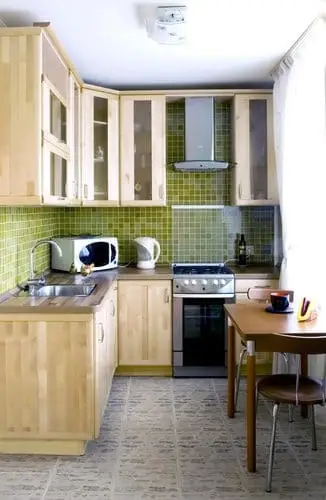
Living in a small home doesn’t have to feel cramped with these easy tricks for working with small spaces: Remove Barriers Opt for furniture with open legs to give a feeling of airiness. Avoid items such as sofas with skirts and instead go for exposed legs. For rooms such as the kitchen get rid of heavy, overbearing upper cabinets and choose islands that look more like furniture. Use open shelves instead of cabinets to open up spaces. Optimize Every Centimeter Look at your home and look for hidden opportunities where you can take advantage of even the smallest space. Look at bay windows to insert a desk or add extra seating with a window seat complete with storage. Consider knocking out the wall beneath a stair well to add storage or even to place a desk as a small office. Look at foyers where hooks can be added for storing coats if you do not have space for a closet. Look Up Ottawa contractors can often explore the ceiling and floor to see if you can add height. Height adds a feeling of spaciousness and can also give way to areas for further storage such as bulk head upper cabinets. This works as long as you have extra ceiling height but can look crowded in standard room heights. You can also consider exposing your attic area for cathedral ceilings or creating an additional small loft style room. Add More Light Natural light is the small home’s best friend. Look for ways to bring in more natural light with light weight curtains as well as using mirrors to reflect light back into darker rooms. Mirrors also help to add the illusion of more space. Light installed along the perimeter of the ceiling brightens and lightens. Camouflage Ottawa contractors can add built-ins that blend into the walls to keep a space feeling open and hide clutter. You can also camouflage walls with vertical lines using beadboard or wallpaper (or a paint effect) that will add height to rooms that feel crowded. A large geometric wallpaper on a small wall at the end of the hall can often provide a sense of space as well. Glass Choose accent pieces with glass surfaces to keep things light. Glass tables such as coffee, dining and accent will open up a room. Your home will suddenly open up with these easy tips designed for spacious living.  To get in touch to schedule renovations, you can fill out an online form or give us a call at (613) 727-9427

Read More »
4 Tips for Mobility Renovations

4 Mobility Renovations Tips

If you or a loved one has a change in their mobility you will have to make some changes to your home. Making your living space safe and accessible for people with mobility differences is easy with these four mobility renovation tips: Open up the Space When you are living with someone in a wheelchair or who requires a walker to get around you will need wider spaces to accommodate their needs. This is especially important for most doorways and hallways. Use Safe Materials For those with mobility differences you’ll also want to make sure that they are safe from falls. The best way to reduce the risk of slips and falls is to look at specialty non-slip products. Special flooring options can assist those with mobility differences by adding traction. However you can also consider the installation of non-slip grips and handle bars in the bathroom to assist with the added danger of wet surfaces. Consider Their Perspective For those in a wheelchair everything in the home becomes a little out of perspective. Consider some of their everyday tasks and look at how they will tackle them in the current home set up. Common challenges can occur with areas such as bathroom and kitchen counters where the work surface is too high. Other difficulties can include storage areas such as clothing closets, linen closets and kitchen pantries. You can lower hanging bars in closets, consider rearranging the food to lower shelves in the kitchen and look at other options that will keep everything at arm’s reach. Hire the Professionals Although you can make some changes that will make things a little easier, in the long run you will need some permanent changes. It is important to hire the professionals who specialize in mobility. They can assess your home and make recommendations based on you or your loved ones needs. Whether someone is in a wheelchair or uses a scooter or walker there are many safety, accessibility and space issues that they can consider in their upgrades. They can also consider access from the exterior of the home and make suggestions for the installation of ramps and automatic doors. A change in mobility can be very difficult whether it is for yourself or a loved one. Mobility experts can make the necessary changes for your comfort and safety.  To get in touch to schedule renovations, you can fill out an online form or give us a call at (613) 727-9427

Read More »
3 Ways to Make Your Entrance Mobility Friendly

3 Ways to Make Your Entrance Mobility Friendly

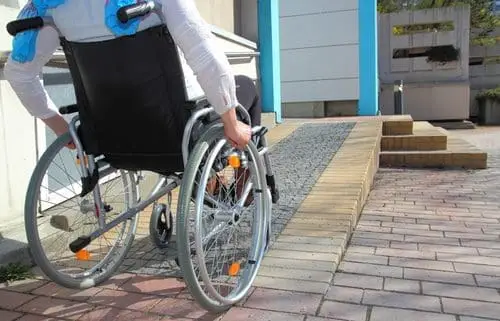
If you or someone in your home has mobility challenges it is important to make your home as comfortable and mobility friendly as possible. For many homeowners the entryway can pose the biggest challenge for those with mobility issues. From steps leading up to the front door, to cramped, closed spaces in the foyer, there are a number of challenges your front entry can pose. Here are three ways to make your entrance mobility friendly: Clear the Entryway Maneuvering in small, cramped spaces is very difficult for people with walkers or wheelchairs. Take a look at your entryway and hall and look for anything that can be removed. This includes pieces of furniture, awkward mats and of course excess amounts of boots and shoes. When you remove clutter from the entryway you will open up the space so people will be able to move around more easily. Even someone who walks with a cane can be in danger of trips and falls with too much clutter. If space is very tight the professional renovations Ottawa contractors offer can knock down the front closet or walls to create extra space. Add Hand Rails When you are well and able to get around unassisted you might not even think about holding onto hand rails. However, for someone walking with a cane or with balance issues a hand rail is a life saver. Hand rails should be placed wherever there are stairs, steps or changes in levels. This will allow people to grasp onto something to help them safely enter your home. Hand rails should be placed both outside leading towards the door and inside to assist with coming and going. Add a Ramp Ramps can make getting into a building so much easier for people in wheelchairs, using walkers and scooters. Ramps are affordable renovations Ottawa home owners can install for easier access to your front door. The professional renovations Ottawa contractors offer will help transform your entry making it mobility friendly. Arrange for a consultation for more suggestions on how your home can be made more comfortable for those with mobility challenges.  To get in touch to schedule renovations, you can fill out an online form or give us a call at (613) 727-9427.

Read More »
Making the Bathroom a Safe Place

Making the Bathroom a Safe Place

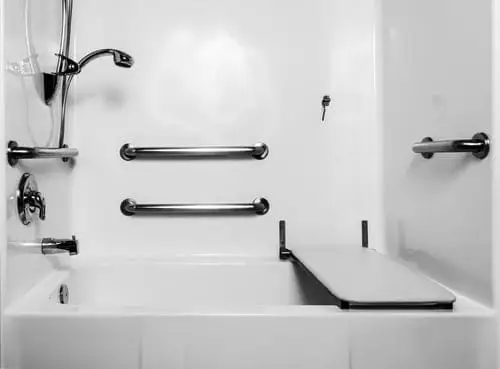
Water and a slippery surface make for very dangerous conditions. Your bathroom can be quite hazardous especially for the young, elderly and disabled. If you would like to make your bathroom a safer place for your family, RenosGroup can provide a number of minor renovations that will help you avoid accidents. Hand Rails/Grips It can be extremely difficult at times getting in and out of the shower or bathtub, especially if the floor is slick and if there is nothing to hold on to. Hand rails and grips can be placed on the bathroom walls to allow for easy access in and out of the tub. In certain cases it is also a good idea to add them beside the toilet to make it easier for people to sit and stand. Rails are textured to allow for a sturdy grip without the fear of your hands slipping. Hand rails offer numerous benefits beyond mobility assistance. Increased Confidence: The assurance of support fosters a sense of confidence and independence, especially for individuals with balance issues. Reduced Risk of Falls: Rails reduce the risk of slips and falls, creating a safer environment for everyone using the bathroom. Peace of Mind: Knowing that loved ones have the necessary support promotes peace of mind for both users and caregivers. Invest in safety; invest in well-being. Handrails and grips are not just safety features; they are investments in well-being and independence. Incorporating them into your bathroom, creates a space that fosters confidence, dignity, and peace of mind for all users. Acrylic Bathtubs/Showers Traditional bathrooms involve intricate tile work which can be very expensive and slippery. Thankfully, acrylic baths and shower walls are an affordable and safer option. These acrylic instillations can be completed in as little in one day, which greatly cuts down on man hours, and labour costs. You can also add special safety features such as bars and handrails and non-slip tub or shower floors. Acrylic to the Rescue: Thankfully, acrylic bathtubs and shower walls offer a compelling alternative. They are: Affordable: Compared to the cost of materials and installation for tile, acrylic offers a much more budget-friendly option. Safer: The inherent non-slip properties of acrylic minimize the risk of slips and falls, creating a safer bathroom environment. Quick Installation: Unlike tile, which can take days to install, acrylic tubs and showers can be completed in as little as one day, reducing disruption and labor costs. Customization Options: Don’t think that “affordable” means sacrificing style. Acrylic comes in a wide variety of colors, patterns, and textures to match your bathroom’s design. Enhanced Safety Features: While acrylic itself is safer than tile, you can further enhance safety by incorporating additional features: Grab Bars and Handrails: Strategically placed bars and rails provide added support for entering, exiting, and maneuvering within the shower or bathtub. Non-Slip Tub/Shower Floors: Invest in textured or etched tub or shower floors for even greater slip resistance. Non-slip Flooring Non-slip flooring in the bathroom instantly adds a huge safety factor that can take many worries off of your mind. Although you may think a bath mat or towel on the floor might do the trick, this is just one other thing people can slip on. Non-slip flooring in the bathroom makes gives your wet feet something easy to grip that can save you and your family from slips and falls. Non-slip bathroom flooring is not just a safety upgrade; it’s an investment in the well-being of everyone using your bathroom. By prioritizing safety, you create a space that fosters confidence, independence, and peace of mind. So, step confidently into a safer future with the right non-slip flooring solution. Additional Tips: Place bath mats strategically near shower and bathtub exits, but ensure they have a non-slip backing. Regularly clean and maintain your chosen flooring material to maximize its slip resistance. Consult with a flooring professional to discuss your specific needs and the best options for your bathroom. By following these tips, you can create a beautiful and safe bathroom environment for all. Lots of Open Space If mobility is an issue RenosGroup can offer suggestions on how you can open up your bathroom allowing for easier wheelchair access. Extra space also works well for those with walkers. When mobility is a concern, making the most of your bathroom space becomes crucial. At RenosGroup, we understand the importance of accessibility and can offer various solutions to transform your bathroom into a safe and comfortable haven. Open Up the Doorway: Widen the entrance: Aim for a minimum doorway width of 36 inches (91 cm) to accommodate wheelchairs and walkers comfortably. Consider alternative doors: Sliding doors or pocket doors eliminate swinging door clearance issues and maximize usable space. Clear the Clutter: Minimize unnecessary furniture and fixtures: Evaluate whether every item serves a purpose and remove anything that creates obstacles. Utilize wall-mounted storage: Opt for shelves, cabinets, and towel racks mounted on walls to keep the floor clear for easy maneuvering. Choose transparent shower doors: This helps visually expand the space and creates a feeling of openness. Heat Lamp Heat lamps are also a great idea as they can help you dry off more quickly. This means there will be less chance of water dripping when you get out of the tub or shower. It will also make it easier to towel dry and keep you warmer on chilly days. Beyond Drying Off: While drying off quickly is certainly a benefit, heat lamps offer more than just practicality: Warmth on Demand: Especially on colder days, the gentle warmth of a heat lamp instantly makes your bathroom more inviting and comfortable. Relaxation and Soothing: The radiant heat can contribute to a more relaxing and spa-like experience, easing muscle tension and promoting circulation. Reduced Risk of Slips and Falls: By minimizing the time spent wet on slippery surfaces, heat lamps potentially contribute to a safer bathroom environment. Choosing the Right Heat Lamp: Size and wattage: Select a heat lamp appropriate for your bathroom size and desired level of warmth. Safety features: Opt for models with safety features like automatic shut-off and tip-over protection. Style and placement: Choose a design that complements your bathroom’s aesthetics and position it strategically for optimal coverage. These simple

Read More »
Making Your Home Mobility-Friendly

Making Your Home Mobility-Friendly

If circumstances of your life have changed, or if someone in your family requires special assistance due to ill health or aging, moving homes may not be the right answer, and could actually do more harm than good. With the right renovation team adjustments can be made to your home in order to make it more mobile-friendly to help assist those with special health conditions.  Although the decision to go with mobility-friendly renovations can be a daunting thought it may be the best solution to your given circumstances. Before you embark on a mobile-friendly renovation here are some tips on making your home mobility friendly: Cost Cost is definitely the most important factor when deciding whether or not it is possible to go through with the renovation. Look at your current funds available and discuss your options with your family and your bank. Compared to the monthly cost of a decent retirement home, making your home mobility-friendly ultimately saves you quite a bit of money in the long run. Before you get started it is imperative you determine your maximum renovation budget before speaking to a mobility-friendly renovation team. By doing this you will see if the renovation is possible, and set aside a nest egg in case unexpected costs occur. Necessity Before you start the renovation you should have an idea of what needs to be changed, and what else you would like to be adjusted. Some examples of professional mobility-renovations include: Wider doorways Lower counters Improved lighting Comfortable handles Handrails Non-slip tape Bathroom handrails Level flooring Adjustable shower devices Design Once you have considered your budget and needs you can speak to a mobility renovation professional to help you come up with the design you need that will be both mobility and design friendly. They will be able to make suggestions to help avoid making your home look too clinical. Design plans can include the latest trends in home health care design and convenience chosen to complement the look of your home. You will have the comforts and assistance you need for mobility while maintaining a home that you will still find comfortable and stylish. These three important considerations will help prepare you for the changes your home will require. To make your home mobility-friendly please contact us, or give us a call at (613)727-9427

Read More »
10 Ways to Make your Renovations Mobility Friendly

10 Ways to Make your Renovations Mobility Friendly

Living in a small home with little space can be difficult, especially if someone you live with someone who has mobility issues. If you have been considering moving to a new home to better accommodate a family member you should reconsider, as it is far easier to work with a renovations expert to customize your current home to meet your mobility needs. Here are 10 ways to make home and bathroom renovations  mobility friendly: 1. Widen your doorways: This is a must to make moving from room to room easier for those in a wheelchair. It also works well for walkers and even crutches. 2. Adjust counter levels: By adjusting the counter levels individuals who are wheelchair bound are able to care for themselves and maintain their privacy when tending to their personal hygiene needs. One of the most affordable bathroom renovations. 3. Provide more light: This will increase visibility and help family members with mobility issues move throughout the home without fear of injury. 4. Install comfortable handles: When added to drawers and cabinets comfortable handles are a simple renovation you can add to any room especially kitchens and bathrooms. 5. Provide Handrails: Handrails are required on both sides of stairs to make it safer and easier for those who are still able to walk on their own to move up and down stairs with confidence. 6. Add reflective non-slip tape: Make it easier to spot the edge of each step or groove allowing people to move without fear of falling. Reflective non-slip can be used to indicate a change in flooring material such as going from carpet to tile; this can help prevent slipping. 7. Make flooring safer: The proper non slip flooring as well as floor covers will allow people to avoid slips and falls which are one of the most common accidents to occur in homes. 8. Use a chair for bathing: By installing a bath chair bathing will become easier and safer for people to shower independently, ultimately maintaining their privacy. 9. Bathroom handrails: Handrails are simple bathroom renovations in Ottawa homes that will make it easy to get in and out of the tub independently as well as to sit and stand when using the toilet. 10. Hand held shower devices: Will increase independence so people can shower privately without the need for assistance. These affordable home and bathroom renovations help Ottawa home owners have mobility friendly homes with little fuss or muss.  To get in touch to schedule renovations, you can fill out an online form or give us a call at (613) 727-9427.

Read More »